ATM Cash Deposits: Network Rules and Limitations
Understand which ATMs accept deposits and the restrictions that apply
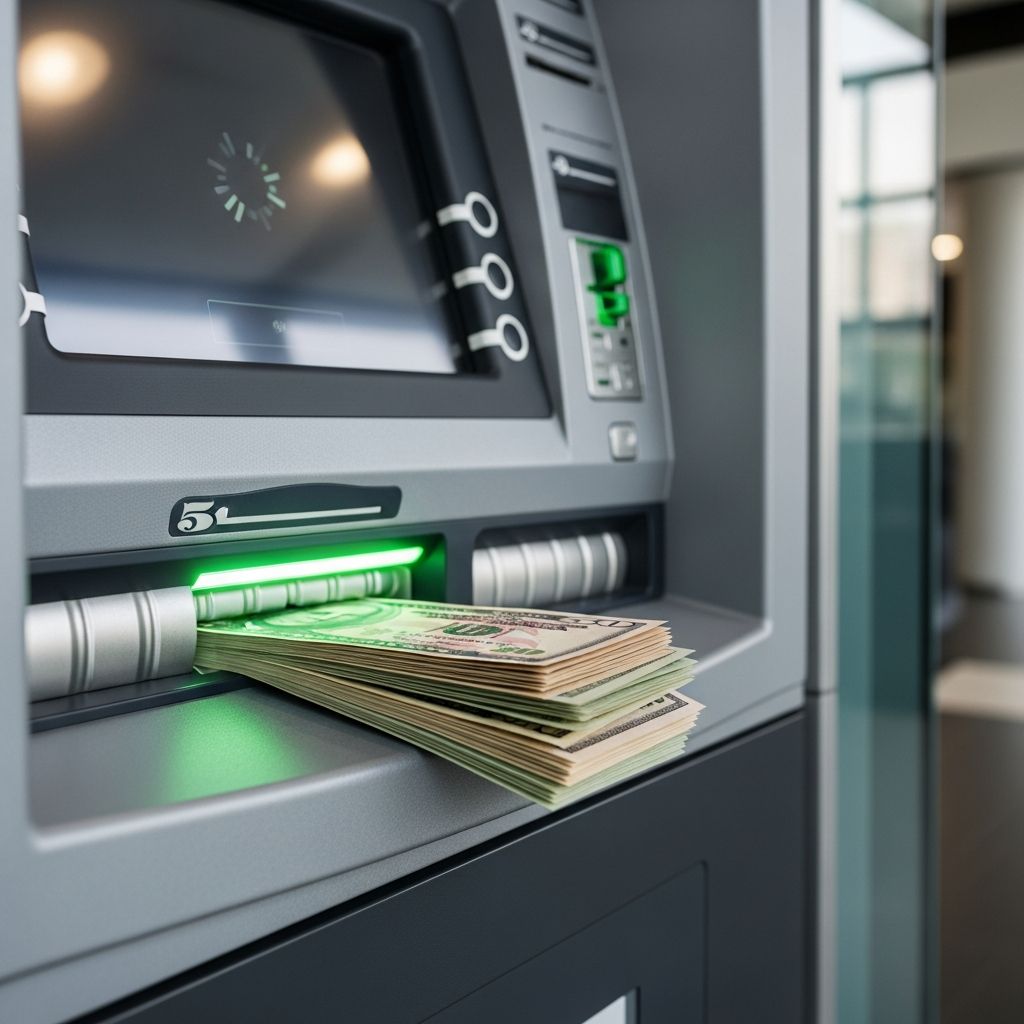
Many people assume they can walk up to any ATM and deposit cash, but the reality is more nuanced. While most major banks now offer cash deposit functionality at their ATMs, not every machine accepts deposits, and significant restrictions apply to how much you can deposit and where you can do it. Understanding these limitations can help you plan your banking activities more effectively and avoid frustrating situations at the machine.
The Basics: Which ATMs Accept Cash Deposits?
The short answer is that most ATMs operated by major financial institutions like Chase, Bank of America, and Wells Fargo do accept cash deposits. However, this capability is not universal across all machines. Some older ATMs or those maintained by smaller banks may only allow withdrawals and balance inquiries. Additionally, ATMs located in retail stores, restaurants, or other third-party locations typically function as withdrawal-only machines and cannot process deposits.
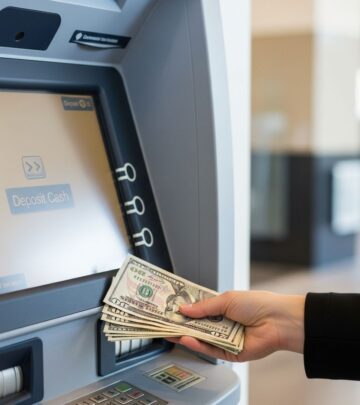
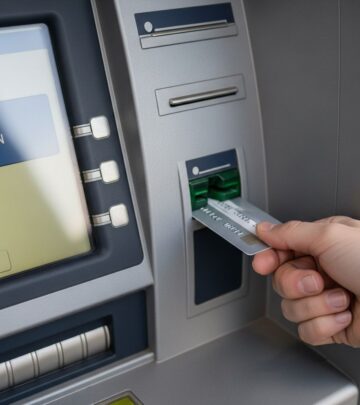
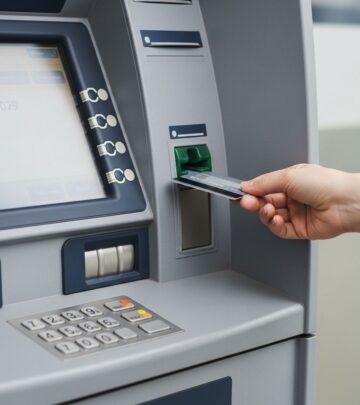
To determine whether a specific ATM accepts deposits, look for visual indicators on the machine itself. Many banks label deposit-capable machines prominently, and you can also use your bank’s mobile app or website to locate nearby ATMs that offer deposit services. Most modern ATMs now feature deposit slots designed specifically for cash, checks, or both, making identification relatively straightforward.
Understanding Network Restrictions and Compatibility
One of the most important limitations affecting ATM deposits relates to network membership. In general, you can only deposit cash at ATMs owned by your bank or those within your bank’s network partnerships. Attempting to deposit at an ATM from a different bank—even if the machine technically accepts deposits—may result in rejection or processing delays.
However, state regulations sometimes permit deposits at third-party ATMs. For example, Iowa Code allows certain outside financial institutions and third-party ATMs to accept deposits from external customers, though implementation varies by individual banks. Before attempting to use an unfamiliar ATM for deposits, it’s worth checking your bank’s policies and your state’s regulations to understand what’s possible in your area.
This network-based limitation exists because banks need to verify account authenticity and prevent fraud. When you use your own bank’s ATM, the system can instantly confirm your account status and process the deposit securely. Third-party machines lack this direct connection to your financial institution, creating security and reconciliation challenges.
Operational Limits on ATM Deposits
Banks impose several types of restrictions on ATM cash deposits, and these limits vary significantly depending on your financial institution and account type. Understanding these restrictions helps you plan deposits appropriately and avoid unexpected rejections.
Bill Count Restrictions
The most common type of ATM deposit limitation focuses on the number of bills rather than the dollar amount. Most major banks restrict deposits to between 30 and 50 bills per transaction. For example, U.S. Bank specifically limits ATM deposits to 30 checks and 50 bills per transaction. Chase’s ATMs typically accept a maximum of 40 bills, which means your actual dollar limit ranges from $40 (if depositing only one-dollar bills) to $4,000 (if depositing one-hundred-dollar bills).
These bill count restrictions exist primarily to manage ATM capacity and prevent mechanical jamming or malfunctions. They’re not regulatory requirements but rather operational constraints based on machine design and maintenance considerations. If you need to deposit more bills than your machine allows, you can make multiple transactions, though some banks may impose daily transaction limits on this practice.
Daily Dollar Caps
Beyond bill counts, many banks establish daily dollar limits for ATM deposits. These caps typically range from $5,000 to $10,000 per day, depending on your account type and relationship with the bank. Bank of America, for instance, sets a $10,000 daily ATM deposit limit for most accounts.
Daily limits serve multiple purposes. They help banks manage operational risks, prevent potential fraud, and ensure adequate cash supply in machines. Accounts opened recently—typically within the past 30 to 90 days—often face reduced deposit limits as the bank establishes confidence in the account holder.
Account Type Variations
Your specific account type significantly influences deposit limitations. Standard personal checking accounts typically have conservative limits, while business accounts often receive higher thresholds to accommodate legitimate business cash deposits. Premium account tiers or accounts maintained over longer periods may enjoy elevated limits compared to new or basic accounts.
| Restriction Type | Typical Limits | Purpose |
|---|---|---|
| Bill Count Per Transaction | 30-50 bills | Machine capacity management |
| Dollar Amount Per Day | $5,000-$10,000 | Risk management and fraud prevention |
| New Account Limits | Reduced by 30-90% | Account verification period |
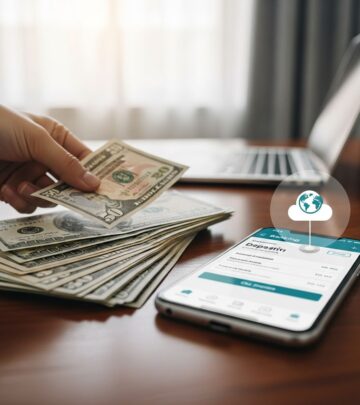
| Mobile Deposit Daily Cap | $2,000-$5,000 | Mobile security considerations |
When You Need to Exceed ATM Deposit Limits
If you need to deposit amounts exceeding your ATM’s operational limits, visiting a bank branch becomes necessary. Tellers can process large cash deposits without the mechanical constraints that affect automated machines. Branch deposits also provide additional security verification for high-value transactions and give you a receipt directly from a bank representative.
For businesses that regularly handle cash deposits exceeding ATM limits, maintaining a relationship with a specific branch and scheduling regular deposit times can streamline the process. Some banks even offer special business banking services tailored to high-volume cash deposits, potentially including scheduled pickups or dedicated teller support.
Processing Times and Fund Availability
Another important consideration when depositing cash at ATMs involves how quickly those funds become available in your account. Processing times vary by bank and deposit timing. If you deposit before your bank’s daily cutoff time—typically between 2 p.m. and 9 p.m.—same-day availability is possible. Deposits made after the cutoff are processed the following business day.
Some banks offer even faster processing through instant availability programs. Banks like Ally and Capital One 360 provide immediate access to cash deposits made at their ATMs, while others may place temporary holds for verification purposes. Understanding your specific bank’s availability policies helps you plan cash needs accordingly, particularly if you depend on deposit funds for upcoming payments or transactions.
Locating ATMs That Accept Cash Deposits
Finding ATM machines capable of accepting deposits is easier than ever thanks to modern technology. Most banks provide mobile apps and websites with ATM locator tools that filter specifically for deposit-capable machines. Using these tools prevents wasted trips to withdrawal-only ATMs.
To locate deposit-capable ATMs:
- Use your bank’s official mobile app or website ATM finder
- Search for “ATM near me” in your bank’s app for filtered results
- Call your bank’s customer service for nearby deposit locations
- Visit your bank’s physical branch, where cash deposits are always accepted
- Look for visual indicators on ATM machines themselves indicating deposit capability
Best Practices for ATM Cash Deposits
Successful ATM cash deposits require attention to detail and following proper procedures. First, verify that the ATM accepts deposits before inserting any cash. Check the machine’s display screen for deposit options and ensure you’re using an ATM from your bank or its network partners.
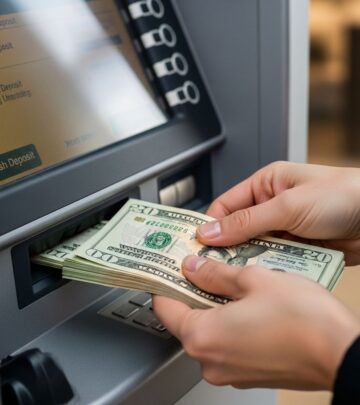
Before initiating your transaction, organize your bills by denomination and count them carefully. Ensure the total count doesn’t exceed your machine’s bill limit. Follow the ATM’s on-screen instructions precisely, typically inserting bills into a designated slot as directed by the machine.
Double-check the deposit amount displayed on-screen before confirming the transaction, as ATMs can sometimes miscount bills or fail to register certain denominations properly. Always keep your receipt as proof of deposit, particularly for large amounts. This receipt serves as critical documentation if any discrepancies arise during processing or if funds don’t appear as expected.
Federal Reporting Requirements for Large Deposits
While ATM operational limits restrict how much cash you can physically deposit per transaction, federal regulations establish different thresholds for reporting. Deposits exceeding $10,000 trigger mandatory reporting requirements from your bank to federal authorities. This reporting is not a prohibition—you can legally deposit any amount—but rather a compliance measure under the Bank Secrecy Act of 1970.
When you deposit more than $10,000 in cash, your bank files a Currency Transaction Report (CTR) with the Financial Crimes Enforcement Network (FinCEN). This reporting helps law enforcement track money movement and investigate potential money laundering and terrorist financing. The reporting requirement applies to both single large transactions and multiple related transactions that accumulate to $10,000 within 24 hours or 12 months.
Frequently Asked Questions About ATM Deposits
Can I deposit cash at any bank’s ATM?
No, you generally can only deposit at ATMs operated by your bank or its network partners. While some states permit third-party ATM deposits under specific circumstances, most banks restrict deposits to their own machines. Always verify with your bank before attempting to use an unfamiliar ATM for deposits.
What happens if an ATM rejects my cash deposit?
ATMs may reject deposits for several reasons: the machine may not be equipped for deposits, you may have exceeded the bill count limit, you may be using an ATM outside your bank’s network, or the machine may have a temporary malfunction. Check the on-screen error message for guidance, and contact your bank’s customer service if problems persist. Visit a branch location as an alternative.
Are there fees for ATM cash deposits?
Most banks don’t charge fees for deposits made at their own ATMs for account holders. However, using ATMs from other banks may incur surcharges. Check your account terms or contact your bank directly to understand any applicable fees associated with your account type.
How long does it take for ATM deposits to show in my account?
Deposits typically become available within one business day, though some banks offer same-day or instant availability depending on deposit timing and the bank’s policies. Deposits made before the daily cutoff time are often processed same-day, while later deposits process the following business day.
Can I deposit checks and cash in the same ATM transaction?
Many modern ATMs accept both checks and cash, but you should treat them as separate items. Follow your ATM’s specific instructions, which may require depositing checks and cash in different slots or as separate transactions. Check your bank’s guidance for procedures specific to your account and ATM type.
References
- Cash Deposit Limits 2025 — Finli. 2025. https://finli.com/learn/cash-deposit-limits-2025/
- Can You Deposit Cash at an ATM? — Chase Bank. https://www.chase.com/personal/banking/education/basics/can-you-deposit-cash-at-an-atm
- Can You Deposit Cash At An ATM? — Bankrate. https://www.bankrate.com/banking/deposit-cash-at-atm/
- How Much Cash Can You Deposit In Your Bank Account — SoFi. https://www.sofi.com/learn/content/what-happens-if-i-deposit-more-than-10000-dollars/
- Can You Deposit Cash at ATMs? Know Before You Go — First State Bank. https://www.myfsbonline.com/education/financial-wellness/deposits-atm
Similar Articles








Read full bio of Sneha Tete