At-Fault Accident: Understanding Liability and Insurance
Learn what an at-fault accident means, how liability is determined, and what happens next.
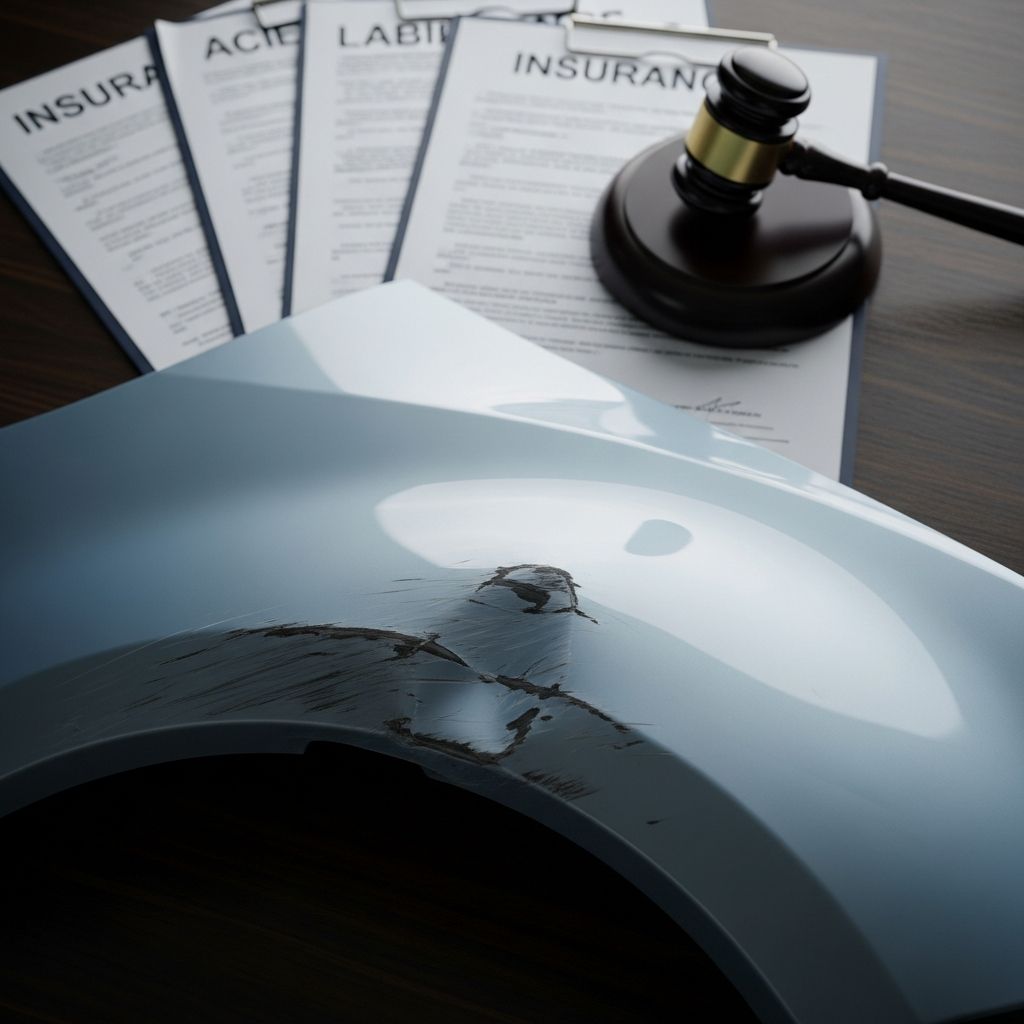
Understanding At-Fault Accidents
An at-fault accident occurs when a driver’s negligent or reckless behavior directly causes a collision, resulting in injury or property damage to other parties involved. In fault-based states, the driver deemed responsible for causing the accident is legally liable for covering the damages and losses incurred by others. Understanding whether you’re in a fault-based or no-fault state is essential, as this designation fundamentally affects how insurance claims are handled and who bears financial responsibility for accident-related expenses.
What It Means to Be At Fault
Being at fault for a car accident means you are legally responsible for causing the collision through negligent actions or careless behavior. This determination carries significant financial and legal consequences, as the at-fault driver’s insurance company typically must cover medical bills, property damage, lost wages, and sometimes pain and suffering damages for the other parties involved.
The concept of fault is central to the insurance claim process. When an accident occurs, insurance adjusters investigate to determine which driver bears responsibility. If the situation is straightforward and one party admits fault, the resolution process moves quickly. However, in complex cases where multiple factors contributed to the accident, determining fault requires thorough investigation and may involve legal proceedings.
The Four Elements of Negligence
To establish that a driver is at fault for an accident, four specific elements of negligence must be proven:
– Duty of Care: The driver had a legal obligation to operate their vehicle safely and responsibly, following traffic laws and exercising reasonable care toward other road users.– Breach of Duty: The driver failed to fulfill their duty of care through negligent or reckless actions, such as speeding, texting while driving, or running a red light.- Causation: The driver’s breach of duty directly caused the accident to occur.- Damages: The accident resulted in measurable harm, including bodily injury, property damage, lost wages, or emotional distress to the victim.
All four elements must be present to successfully establish fault and hold a driver liable for damages.
Common Causes of At-Fault Accidents
Several common driving behaviors and violations typically result in a driver being deemed at fault:
– Speeding: Driving above the posted speed limit or too fast for road conditions increases crash severity and reduces reaction time, making it a primary cause of accidents.- Driving Under the Influence: Operating a vehicle while impaired by alcohol or drugs automatically establishes negligence, as elevated blood alcohol levels demonstrate a clear breach of duty of care.- Failure to Yield: Ignoring yield signs or right-of-way rules directly causes serious collisions and establishes clear fault.- Distracted Driving: Activities like texting, eating, or talking on the phone while driving constitute negligence and are a leading cause of modern accidents.- Running Traffic Lights or Stop Signs: Violating traffic control devices demonstrates a direct breach of duty and is easily proven through traffic citations or camera evidence.- Improper Vehicle Maintenance: Failure to maintain a vehicle properly, resulting in equipment failure like malfunctioning brakes, can establish fault for the at-fault driver.- Reckless Driving: Deliberately engaging in dangerous driving behaviors demonstrates willful negligence and may result in enhanced liability.
Fault-Based vs. No-Fault States
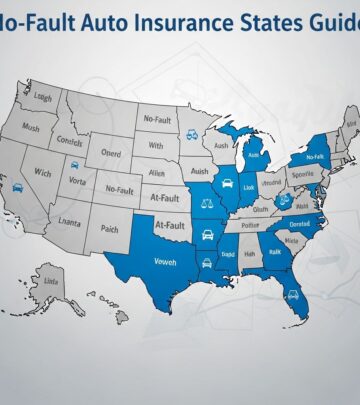
The United States operates under two primary insurance systems, and understanding which applies in your state is crucial:
| Aspect | Fault-Based States | No-Fault States |
|---|---|---|
| Liability | The at-fault driver’s insurance covers damages | Each driver’s own insurance covers their losses |
| Claim Process | Requires fault determination before compensation | Streamlined claims; less need for fault investigation |
| Recovery | Can recover full damages if other party is at fault | Limited to personal injury protection coverage |
| Legal Action | Can sue the at-fault driver for damages | Restricted ability to sue; requires meeting thresholds |
| Examples | Georgia, North Carolina, South Carolina, Texas | Michigan, New York, Florida, Pennsylvania |
In fault-based states, the at-fault driver’s liability insurance is responsible for covering losses of other involved parties, up to the limits of their policy. In no-fault states, each driver’s own insurance covers their respective expenses regardless of who caused the accident.
How Fault Is Determined
Determining fault involves a comprehensive investigation process that may include multiple sources of evidence and expert analysis:
Police Reports: Law enforcement officers who respond to the accident scene document their observations, including statements from drivers and witnesses, road conditions, traffic violations, and preliminary fault assessments.Insurance Investigations: Insurance adjusters working for the at-fault driver’s insurance company conduct their own investigation, reviewing evidence and determining liability based on policy language and state law.Witness Statements: Testimony from individuals who observed the accident provides crucial firsthand accounts of what occurred and helps corroborate or dispute driver claims.Traffic Violations and Citations: Any citations issued at the scene, such as speeding tickets or failure to yield citations, provide strong evidence of fault and are heavily weighted in determinations.Accident Reconstruction Experts: In complex cases, accident reconstruction specialists analyze physical evidence including vehicle damage patterns, skid marks, road conditions, sight lines, and vehicle mechanics to determine how the accident occurred and which driver bear responsibility.Photographic and Video Evidence: Images from the accident scene, traffic cameras, or dashcam footage provide objective evidence of vehicle positions, road conditions, and traffic control devices.
Comparative Negligence and Shared Fault
In many states, both drivers may share some degree of responsibility for an accident. These situations are governed by comparative negligence laws, which determine how damages are divided between parties based on their percentage of fault.
There are two primary comparative negligence systems:
Pure Comparative Negligence: A driver can recover damages even if they are 99% at fault. Their recovery is simply reduced by their percentage of fault.Modified Comparative Negligence (51% Bar Rule): A driver can only recover damages if they are 50% or less at fault. If found 51% or more at fault, they lose the right to any compensation from the other party. This system is used in states like South Carolina, Georgia, and many others.
Example: If your total damages are $100,000 and you are found 30% at fault while the other driver is 70% at fault, you would recover $70,000 (your recovery reduced by your 30% fault). However, if you are found 51% or more at fault in a 51% bar state, you would recover nothing.
Insurance Coverage and Claims
When you’re at fault for an accident in a fault-based state, your auto insurance liability coverage becomes critical. Liability insurance covers bodily injury and property damage you cause to others up to your policy limits. Understanding your coverage is essential for protection against significant financial liability.
What Liability Insurance Covers:– Medical expenses for injured parties- Vehicle repair or replacement costs for damaged vehicles- Other property damage (fences, utility poles, etc.)- Lost wages for injured parties unable to work- Pain and suffering damages- Legal defense costs if you’re sued
The insurance company will assign a claims adjuster to investigate your accident, determine fault, and handle settlement negotiations. If you disagree with their fault determination, you have the right to dispute it or seek legal counsel.
Types of Damages in At-Fault Accidents
Victims of at-fault accidents may be eligible to recover various categories of damages:
Economic Damages (Quantifiable Losses):– Medical expenses (current and future treatment)- Property damage and vehicle repairs- Lost wages and earning capacity- Transportation costs- Out-of-pocket expensesNon-Economic Damages (Subjective Losses):– Pain and suffering- Emotional distress- Loss of enjoyment of life- Disfigurement or scarring- Loss of consortium (for spouses)Punitive Damages: In cases involving gross negligence, recklessness, or intentional misconduct, courts may award punitive damages designed to punish the at-fault driver and deter similar behavior. These are relatively rare and typically require proof of extreme conduct.
Consequences of Being At Fault
Being determined at fault for an accident carries multiple serious consequences beyond immediate insurance claims:
Insurance Premium Increases: Your insurance company will likely raise your premiums substantially following an at-fault accident, sometimes by 20-40% or more depending on your insurer and driving history.License Points: Many states assign points to your driving record for at-fault accidents, which can accumulate toward license suspension.License Suspension: Accumulation of too many points or involvement in serious at-fault accidents can result in license suspension or revocation.Insurance Cancellation: If you’re considered high-risk, your insurer may refuse to renew your policy.Legal Liability: You may face personal lawsuit if damages exceed your insurance limits, putting your personal assets at risk.Employment Impact: Some employers, particularly those requiring commercial driving, may take disciplinary action based on at-fault accidents.
Steps to Take After an At-Fault Accident
If you’re involved in an accident and believe you may be at fault, take these important steps:
– Stop your vehicle immediately and move to a safe location if possible- Check for injuries and call emergency services if anyone is hurt- Contact law enforcement to file an accident report- Exchange contact, vehicle, and insurance information with the other driver- Document the accident scene with photographs and video- Gather witness contact information- Report the accident to your insurance company promptly- Avoid admitting fault or making detailed statements to other parties- Keep detailed records of all accident-related expenses and communications- Consult with an attorney if injuries are serious or liability is disputed
Working with Your Insurance Company
When reporting an at-fault accident to your insurance company, be honest and thorough but avoid making statements that could be used against you. Provide factual information about what occurred without speculation or self-blame. Your insurance adjuster will guide you through the claims process, which typically includes vehicle inspection, damage assessment, and settlement negotiation. If you disagree with their determination or settlement offer, you have the right to appeal or seek independent evaluation.
Frequently Asked Questions
Q: What is the difference between being at fault and being liable?
A: Fault refers to responsibility for causing the accident through negligent behavior, while liability refers to the legal obligation to pay for damages resulting from that fault. You can be found at fault but have your liability limited by insurance policy limits or comparative negligence laws.
Q: Can I recover damages if I’m partially at fault?
A: In modified comparative negligence states (51% bar rule), you can recover damages if you’re 50% or less at fault. Your recovery is reduced by your percentage of fault. In pure comparative negligence states, you can recover even if mostly at fault, with proportional reduction.
Q: How long does it take to determine fault?
A: Simple cases may be resolved within days or weeks, but complex accidents involving multiple vehicles, injuries, or disputed circumstances may take months or longer. Police reports are typically filed within days, but insurance investigations and legal proceedings can extend the timeline significantly.
Q: Will my insurance rates increase after an at-fault accident?
A: Yes, being at fault for an accident typically results in increased insurance premiums. Rate increases vary by insurer and severity but commonly range from 20-40% or higher. Some insurers offer accident forgiveness programs that prevent increases after the first at-fault accident.
Q: What should I do if I disagree with the fault determination?
A: You can dispute the determination with your insurance company, request an independent review, or consult with an attorney. Gather any evidence supporting your position and submit a formal appeal to your insurer’s claims department.
Q: Can I be sued personally for damages exceeding my insurance limits?
A: Yes, if damages exceed your liability insurance limits, the injured party can sue you personally. This is why carrying adequate liability coverage is crucial. Umbrella insurance provides additional coverage for damages exceeding standard policy limits.
References
- What is an At-Fault Accident in South Carolina? — Ted Law Firm. 2024. https://www.tedlaw.com/what-is-considered-an-at-fault-accident-in-south-carolina/
- What Happens If I’m At Fault for a Car Accident? — Nolo. 2024. https://www.nolo.com/legal-encyclopedia/what-if-im-at-fault-for-a-car-accident.html
- Who Is At-Fault in a Car Accident? — George Sink, P.A. Injury Lawyers. 2024. https://www.sinklaw.com/car-accident/who-is-at-fault/
- At-Fault vs. No-Fault Accidents — Progressive. 2024. https://www.progressive.com/answers/at-fault-vs-no-fault-accidents/
- Legal Consequences Of Car Accidents Explained — Wardlaw Firm. 2024. https://wardlawfirm.com/legal-consequences-of-car-accidents-explained/
Similar Articles








Read full bio of medha deb