Assumable Mortgages: Complete Guide to Lower Rates
Learn how assumable mortgages can help buyers save thousands with lower interest rates.
What Is an Assumable Mortgage?
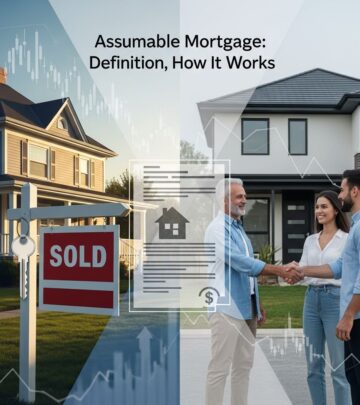
An assumable mortgage is a special type of home financing arrangement that allows a homebuyer to take over, or “assume,” the seller’s existing mortgage loan. Rather than obtaining a brand-new loan from a lender, the buyer inherits the seller’s mortgage along with all of its original terms and conditions. This means the buyer receives the same interest rate, remaining loan balance, repayment period, and other loan terms that the original borrower negotiated when they first obtained the mortgage.
This type of mortgage can be particularly valuable in a rising interest rate environment. When mortgage rates have increased significantly since the seller originally purchased the home, an assumable mortgage provides an exceptional opportunity for buyers to lock in a lower interest rate than what’s currently available in the market. For example, a home purchased when rates were around 4% could be assumed by a new buyer in a market where current rates are substantially higher, creating substantial long-term savings.
How Assumable Mortgages Work
The process of assuming a mortgage involves several key steps and considerations. When a buyer decides to assume a seller’s mortgage, they must first determine whether the loan is assumable. Not all mortgages can be assumed—certain loan types, particularly conventional mortgages, may have restrictions or require lender approval.
Once eligibility is confirmed, the buyer must meet the lender’s qualification standards, which are similar to those required for obtaining a new loan. The lender will request the buyer’s credit report, review financial information, and verify employment history. This underwriting process ensures the buyer has the financial capacity to manage the loan responsibly.
A critical aspect of assuming a mortgage involves addressing the equity difference. If a seller has paid down a significant portion of the mortgage over several years, the home’s value may have appreciated considerably. The buyer must bridge this gap—the difference between the remaining loan balance and the current home value. In most scenarios, buyers accomplish this through a second mortgage or by paying the difference in cash as a down payment.
Types of Assumable Mortgages
Certain government-backed and specialized loan programs offer assumable features, making them particularly attractive to buyers seeking flexibility.
FHA Loans
Federal Housing Administration (FHA) loans are assumable, allowing buyers to take over the seller’s existing FHA mortgage. The buyer must meet FHA credit and income requirements, and the lender must approve the assumption. FHA imposes caps on assumption-related fees, keeping costs manageable for buyers.
VA Loans
Veterans Affairs loans are assumable for both veterans and non-veterans. When assuming a VA loan, the buyer must meet all VA standards for creditworthiness and income. The assumption requires approval from both the VA and the lender. Buyers assuming VA loans are responsible for paying a VA funding fee equal to 0.5% of the current loan balance. Importantly, if the buyer defaults on the loan, they assume the obligation to repay the VA, and the original borrower’s liability is released.
USDA Loans
U.S. Department of Agriculture (USDA) loans are also assumable, offering opportunities in rural and suburban markets. Like other government-backed loans, USDA imposes limits on assumption-related fees and closing costs.
Advantages for Buyers
Assumable mortgages present several compelling benefits for homebuyers, particularly in high-interest-rate environments.
Significantly Lower Interest Rates
The most substantial advantage of an assumable mortgage is access to a lower interest rate. This is often the primary draw for buyers considering assumption. In markets where current rates are significantly higher than rates available years earlier, assuming a mortgage can save tens of thousands of dollars over the life of the loan. For instance, if a seller secured a mortgage at 4.25% and the buyer assumes it when market rates are 7%, the buyer gains a permanent 2.75% advantage. These savings compound dramatically over 15, 20, or 30 years.
Reduced Closing Costs
Assuming a mortgage typically involves lower closing costs compared to originating a new loan. Federal Housing Administration, Veterans Affairs, and Department of Agriculture programs all impose limits on the fees lenders can charge for assumptions. Buyers also typically avoid the need for a full home appraisal, which can save hundreds of dollars alone. This reduction in upfront costs makes homeownership more immediately affordable.
Increased Purchasing Power
The money saved through lower interest rates and reduced closing costs can be redirected toward the home purchase itself. This increased financial flexibility may enable buyers to afford a more expensive home or allocate savings toward other investments and priorities.
Streamlined Purchase Process
While buyers must still qualify with the lender, the assumption process can be more straightforward than obtaining an entirely new mortgage. The elimination of appraisal requirements and the generally lower administrative complexity can expedite the closing timeline.
Advantages for Sellers
Assumable mortgages also provide meaningful benefits to sellers, particularly in competitive real estate markets.
Enhanced Property Marketability
When interest rates have risen since a mortgage was originated, an assumable mortgage becomes a powerful selling tool. A property with a 4.25% assumable mortgage in a 7% rate environment becomes significantly more attractive to potential buyers. This advantage can make a seller’s property stand out among competing listings and generate more buyer interest.
Higher Sale Price Negotiation Power
Sellers of homes with assumable mortgages at favorable rates can often command higher asking prices. Since buyers recognize the substantial savings opportunity, they’re frequently willing to pay more for the property to capture those rate benefits. The lower closing costs associated with assumption further strengthen the seller’s negotiating position.
Faster Sale Completion
By offering assumption as an option, sellers may facilitate quicker transactions. Buyers interested in assumption often move faster because the process is streamlined compared to traditional financing, potentially leading to reduced time on the market.
Disadvantages and Challenges
Despite their advantages, assumable mortgages present several challenges that buyers and sellers should carefully consider.
Equity Gap Complications
The most significant challenge for buyers is addressing the equity difference. If a seller has built substantial equity in the home, buyers must pay the difference between the remaining loan balance and the current home value. This typically requires either a large cash down payment or a second mortgage. A second mortgage carries its own closing costs and often features a higher interest rate, which can diminish the financial advantage gained through the assumable primary mortgage.
Qualification Requirements
Buyers must still meet the lender’s creditworthiness and income standards to assume a mortgage. If a buyer has credit challenges or insufficient income relative to the loan amount, they may be denied assumption. This requirement limits flexibility for buyers who might not qualify for traditional financing either.
Seller Liability Concerns
In some cases, sellers may worry about remaining partially liable if the buyer defaults on the assumed mortgage. Clear assumption documentation and proper release of liability by the lender are essential to protect the seller.
Limited Loan Selection
Only certain loan types are assumable. Conventional mortgages from private lenders typically aren’t assumable without specific approval, significantly limiting opportunities in the broader mortgage market.
Who Should Consider an Assumable Mortgage?
Assumable mortgages are particularly beneficial for specific buyer profiles and market conditions. Buyers should seriously consider assumption if current market rates are substantially higher than the seller’s existing rate—typically at least 1-2 percentage points higher. First-time homebuyers with limited savings for closing costs may find assumption particularly attractive due to reduced fees. Buyers with excellent credit and stable income who can qualify for assumption should take advantage of the opportunity. Additionally, buyers in competitive markets may use assumption as a strategy to make their offers more attractive to sellers.
Sellers benefit from offering assumable mortgages when they want to sell quickly in a challenging market or when their interest rate is significantly below current market rates. Properties priced aggressively can benefit from the assumption feature as an added incentive.
The Assumption Process Step-by-Step
Understanding the assumption process helps buyers and sellers prepare appropriately:
1. Verify Loan Assumability: Confirm with the lender that the mortgage is assumable and understand any specific requirements.
2. Request Loan Information: Obtain the current loan balance, interest rate, remaining term, and any assumption fees from the lender.
3. Calculate Equity Difference: Determine the gap between the home’s current value and the remaining loan balance.
4. Arrange Financing: Secure a second mortgage or prepare cash reserves to cover the equity difference.
5. Submit Application: Complete the lender’s assumption application and provide financial documentation.
6. Lender Review: The lender reviews credit, income, and employment information.
7. Approval and Closing: Upon approval, complete assumption paperwork and close the transaction.
Frequently Asked Questions
Q: Can I assume any mortgage?
A: No. Government-backed loans (FHA, VA, USDA) are typically assumable, but conventional loans usually are not without lender approval. Always verify with the lender whether a specific mortgage is assumable.
Q: What is a VA funding fee for assumed mortgages?
A: When assuming a VA loan, non-veteran buyers typically pay a VA funding fee equal to 0.5% of the current loan balance. Veterans may qualify for reduced or eliminated fees.
Q: How do I cover the equity difference?
A: Buyers can pay the difference in cash as a down payment or obtain a second mortgage to bridge the gap between the remaining loan balance and the home’s current value.
Q: Are appraisals required for assumed mortgages?
A: No. In most cases, appraisals are not required when assuming a mortgage, which saves time and money compared to traditional financing.
Q: How much can I save with an assumable mortgage?
A: Savings vary depending on the rate difference and loan amount. If assuming a mortgage at 4% when market rates are 7%, buyers could save tens of thousands of dollars over the life of the loan, potentially exceeding $200,000 for larger loans.
Q: Is the original borrower still responsible if I assume the mortgage?
A: No. When an assumption is properly completed and approved by the lender, the original borrower is released from liability, and the new buyer becomes solely responsible for the loan.
Current Market Conditions and Assumable Mortgages
In today’s mortgage environment, assumable mortgages have gained renewed attention. Many homeowners who purchased homes in recent years with rates under 4% have substantial incentives to sell if buyers are willing to assume their loans. Current market rates, which have fluctuated between 6-7% for 30-year mortgages, create an attractive contrast with older mortgages secured at lower rates. This significant rate differential makes assumable mortgages increasingly relevant for buyers seeking relief from high borrowing costs.
Conclusion
Assumable mortgages represent a valuable financing option for buyers and sellers navigating today’s mortgage market. For buyers, the potential to lock in a lower interest rate and reduce closing costs can translate into substantial long-term savings. For sellers, offering an assumable mortgage can make their property more attractive and support faster sales with higher prices. While challenges like equity gaps and qualification requirements exist, strategic buyers and sellers can leverage assumable mortgages to create win-win transactions. As mortgage rates remain elevated, the opportunity to assume lower-rate loans continues to appeal to homebuyers seeking financial advantages in an expensive housing market.
References
- Assumable Mortgage: What It Is, How It Works and Who Can Get One — NerdWallet. 2024. https://www.nerdwallet.com/mortgages/learn/assumable-mortgage
- The Assumable Mortgage: Is it Right For You? — PennyMac. 2024. https://www.pennymac.com/blog/understanding-assumable-mortgages
- What is an assumable mortgage and how does it work? — Rocket Mortgage. 2024. https://www.rocketmortgage.com/learn/what-is-an-assumable-mortgage
- What Is an Assumable Mortgage? How it Works, Pros & Cons — Farm Bureau Financial Services. 2024. https://www.fbfs.com/learning-center/what-is-an-assumable-mortgage
- Assumable Mortgage: What It Is and How It Works — LendingTree. 2024. https://www.lendingtree.com/home/mortgage/what-is-an-assumable-mortgage/
- A Comprehensive Guide to Assumable Mortgages — Newrez. 2024. https://www.newrez.com/blog/mortgage-101/a-comprehensive-guide-to-assumable-mortgages/
Similar Articles








Read full bio of Sneha Tete