Mobile Deposit Safety: What You Need To Know
Understanding mobile check deposits: Security features and fraud protection explained.
Assessing The Risks of Remote Deposits
The adoption of remote deposit capture technology has transformed how consumers interact with their financial institutions. More consumers than ever are using their smartphones to capture images of checks and transmit them directly to their banks. This shift represents a significant change in banking behavior, driven primarily by convenience and accessibility. The ability to deposit checks from home, the office, or anywhere with an internet connection has made banking more flexible and efficient for millions of users.
However, with any new financial technology comes questions about security and risk. Many consumers wonder whether their check images might be intercepted by hackers, or if they could fall victim to fraud when using mobile deposit applications. These concerns are understandable given the sensitive nature of financial information. Fortunately, industry experts and comprehensive research consistently demonstrate that the actual risks associated with remote deposit capture are quite minimal compared to traditional banking methods.
Understanding Remote Deposit Capture Technology
Remote deposit capture, commonly abbreviated as RDC, refers to the process of converting physical checks into digital images for deposit into a bank account. The technology works by allowing customers to scan checks using their smartphones, tablets, or dedicated check scanners, then securely transmitting the images to their financial institutions. This eliminates the need for customers to visit a bank branch or ATM to deposit checks, saving considerable time and effort.
The convenience factor has driven rapid adoption across the industry. According to research conducted by RemoteDepositCapture.com and Mitek Systems, a provider of mobile banking technology, 63 percent of surveyed financial institutions already offered mobile remote deposit capture, with an additional 33 percent planning to launch the service within 12 months. More than 30 million consumers have already used this technology to deposit checks, indicating widespread acceptance and trust in the system.
How the Process Works
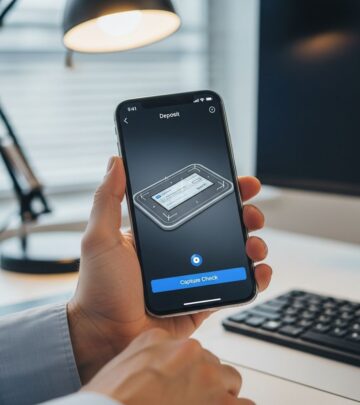
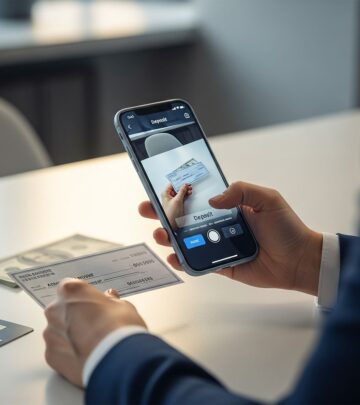
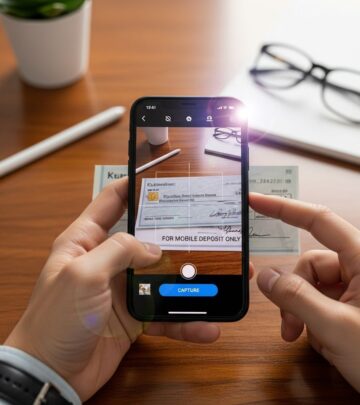
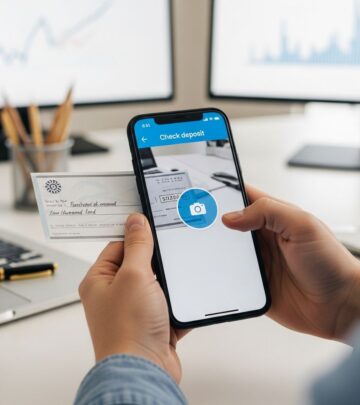
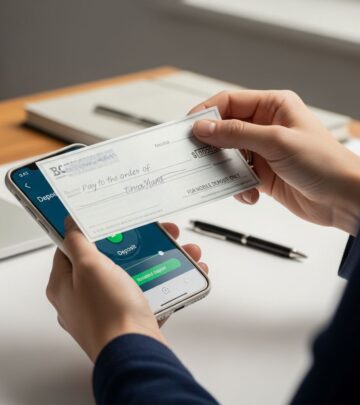
The remote deposit process is straightforward and user-friendly. Customers typically use a mobile app or dedicated software to photograph both the front and back of a check. The application captures the check image along with the amount and other relevant deposit information. Once the customer approves the transaction, the digital information is transmitted to the bank’s secure servers, where it undergoes processing and verification before being credited to the customer’s account.
Banks have implemented specific requirements for eligible checks to ensure proper processing. Checks must be drawn on a U.S. bank, savings and loan, or credit union, and they must be payable on demand. The check must be properly endorsed and include the notation “For mobile deposit only.” Additionally, checks must contain all necessary MICR (Magnetic Ink Character Recognition) information for proper processing.
Mobile Deposits and Security
One of the primary concerns consumers express about remote deposit capture relates to the security of their financial information. Specifically, many worry about whether the digital images of their checks could be intercepted during transmission. The good news is that banks have implemented robust security measures to protect customer data.
According to John Leekley, founder and chief executive officer of RemoteDepositCapture.com, consumers don’t need to worry about exposing themselves to electronic fraud when making mobile deposits because the data sent to financial institutions is encrypted and protected. The banking industry has invested heavily in security infrastructure, employing advanced encryption technologies and secure protocols to safeguard transmitted information.
Encryption and Data Protection
Banks utilize encrypted connections and secure login credentials to protect remote deposit transactions. This encryption ensures that the digital images of checks and associated financial information remain confidential during transmission. Additionally, financial institutions implement user permission controls and activity limits, allowing account holders to restrict how employees or authorized users can access the remote deposit system.
The track record speaks for itself regarding the security of mobile deposits. According to a 2014 survey by RemoteDepositCapture.com, 80 percent of financial institutions using remote deposit capture reported no losses resulting from the technology. This impressive safety record indicates that the encryption and security protocols implemented by banks are effective at preventing interception and theft of financial information during transmission.
Where Fraud Actually Occurs
It’s important to understand that while transmission security is robust, potential fraud risks exist elsewhere in the process. Leekley notes that what consumers do hear about is someone hacking into a database or capturing information before it is transmitted, rather than intercepting data during transmission itself. This distinction is crucial for understanding the actual vulnerabilities in the mobile deposit ecosystem.
The most common types of fraud associated with checks generally involve double deposits or passing checks that have already been deposited elsewhere. Dishonest payees might attempt to use remote deposit capture technology to intentionally make duplicate deposits of the same check. However, banks have implemented sophisticated fraud detection systems specifically designed to identify and prevent these types of crimes before they can cause financial harm to depositors.
Physical Security Benefits
One significant advantage of remote deposit capture that often goes overlooked is the improved physical security of checks. By depositing checks from your office or home, you reduce the risk of lost or stolen items during transit to the bank. Physical checks can be misplaced, stolen from mailboxes, or intercepted during delivery to financial institutions. With remote deposit, your original check never leaves your physical control until you’re ready to destroy it.
This aspect of remote deposit capture actually makes the technology safer in many respects than traditional deposit methods. You maintain physical possession of the check throughout the process and control when and how it is destroyed. Banks recommend maintaining the original check for a specified number of days after deposit, which allows time to verify that the transaction has been properly processed and the funds have been credited to your account.
Deposit Limits and Processing Times
Banks implement various limits and timing policies for mobile deposits that differ from in-person transactions. Understanding these limitations is essential for effective financial management and to ensure your deposits are processed efficiently.
Daily and Monthly Limits
Most financial institutions establish daily dollar limits for remote deposit transactions, which typically range from $1,000 to $10,000 per day, depending on the bank and account type. Some banks also impose monthly limits and restrict the number of check images that can be submitted in a single day. These limits are generally lower than what you can deposit in person at a bank branch or through ATM deposits, reflecting the institutions’ risk management strategies.
The specific limits vary significantly by bank and account type, so it’s important to contact your financial institution to confirm your current mobile deposit limits. Some banks may increase these limits for customers with longer banking histories or higher account balances, while others maintain consistent limits across all customer segments.
Processing and Availability
The timing of when funds become available for withdrawal varies depending on when the deposit is submitted. Funds deposited before the daily cutoff time, typically 4:00 p.m. to 6:00 p.m. depending on the bank, are generally credited on the same business day. Deposits made after the cutoff time are usually processed the following business day.
Once deposits are credited to your account, funds are typically available for withdrawal on the business day after the deposit is credited, though some banks may offer same-day availability for deposits made before their cutoff time. It’s worth noting that remote deposit capture transactions are not subject to the Federal Reserve Board’s Regulation CC, which means the specific timing and availability policies are determined by individual financial institutions.
Eligible and Ineligible Items
Not all financial instruments can be deposited through remote deposit capture. Banks maintain specific requirements regarding which items are eligible for mobile deposit to maintain system integrity and prevent fraud.
Eligible Items
- Checks drawn on U.S. banks, savings and loans, or credit unions
- Checks payable on demand to the account holder
- Properly endorsed checks with all required signatures
- Checks containing complete MICR information
- Checks marked “For mobile deposit only”
Ineligible Items
- Money orders and traveler’s checks
- U.S. Treasury Department checks and bonds
- Checks drawn on financial institutions outside the United States
- Checks not payable in U.S. dollars
- Previously deposited checks or image replacement documents
- Remotely created checks
- Checks with improper or multiple endorsements
- Checks previously submitted through RDC at any financial institution
Best Practices for Remote Deposits
To maximize the security and effectiveness of your remote deposit transactions, experts recommend following several best practices. John Leekley personally follows a disciplined approach when making mobile deposits: immediately after depositing a check through his smartphone, he writes a note on the back of the physical check indicating that it has been remotely deposited. He then destroys the check after the number of days his bank recommends, ensuring that no duplicate deposits can occur.
This process has become increasingly important as remote deposit capture adoption grows. Following these practices will help you protect yourself against fraud and maintain clear records of your deposit activities. As the technology becomes more commonplace, these security-conscious habits will become second nature to consumers, much like other aspects of modern banking have become routine.
The Future of Mobile Deposit Adoption
The trajectory of remote deposit capture adoption suggests that this technology will become even more prevalent in the coming years. Mobile banking technology experts compare the acceptance of mobile deposits to the steady growth and eventual ubiquity of ATM networks. Just as you cannot imagine a modern financial institution operating without ATMs, the banking industry is moving toward a future where mobile deposit capabilities are standard offerings.
Younger consumers, in particular, are driving adoption of mobile deposit technology. These digital natives grew up with smartphones featuring cameras and have never known a world without these devices. For them, the ability to deposit checks through mobile apps feels natural and intuitive. Scott Carter, chief marketing officer of Mitek Systems, emphasizes that mobile deposit has moved well past the early adoption phase, with more than 30 million consumers having already used the technology.
As time goes on and more banks continue to offer mobile deposit services, any remaining consumer fears about fraud and security will likely dissipate. Leekley notes that any significant change initially triggers a knee-jerk reaction of fear, but as the technology becomes more widespread and consumers gain experience with it, that fear gradually diminishes. The combination of strong security measures, excellent fraud detection systems, and low loss rates reported by financial institutions provides solid evidence that mobile deposits are a safe banking method.
Frequently Asked Questions
Q: Is it safe to deposit checks using mobile deposit?
A: Yes, mobile deposits are secure. Banks use encrypted connections and secure login credentials to protect transmitted data. According to a 2014 survey, 80 percent of financial institutions using remote deposit capture reported no losses from the technology.
Q: Can hackers intercept my check images during transmission?
A: This is highly unlikely. The banking industry has implemented robust encryption technology and secure protocols that protect data during transmission. Industry experts have reported no documented cases of hackers stealing information during the transmission process.
Q: What should I do with the physical check after depositing it remotely?
A: Write a note on the back indicating it has been remotely deposited, then destroy the check after the number of days your bank recommends. This prevents accidental or fraudulent double deposits.
Q: Are there limits on how much I can deposit?
A: Yes, banks set daily and monthly limits for remote deposits, typically ranging from $1,000 to $10,000 per day depending on your bank and account type. Contact your institution to confirm your specific limits.
Q: How long does it take for deposited funds to become available?
A: Deposits made before the daily cutoff time (typically 4:00 p.m. to 6:00 p.m.) are usually credited the same business day, with funds available for withdrawal the following business day.
Q: Can I deposit any type of check through mobile deposit?
A: No. Only checks drawn on U.S. banks and payable in U.S. dollars are eligible. Money orders, Treasury checks, checks from foreign banks, and previously deposited checks are not eligible for remote deposit.
References
- Remote Deposit Capture — Montecito Bank & Trust. Accessed 2026-01-12. https://montecito.bank/business/cash-management/remote-deposit-capture
- Assessing The Risks of Remote Deposits — MoneyRates. https://www.moneyrates.com/personal-finance/assessing-risks-remote-deposits.htm
- Mobile Remote Deposit Services Terms and Conditions — Security Savings Bank. 2021-07. https://securitysavings.com
- What is Mobile Check Deposit and How to Use It — Bankrate. https://www.bankrate.com/banking/facts-everyone-should-know-about-mobile-check-deposit/
Similar Articles








Read full bio of Sneha Tete