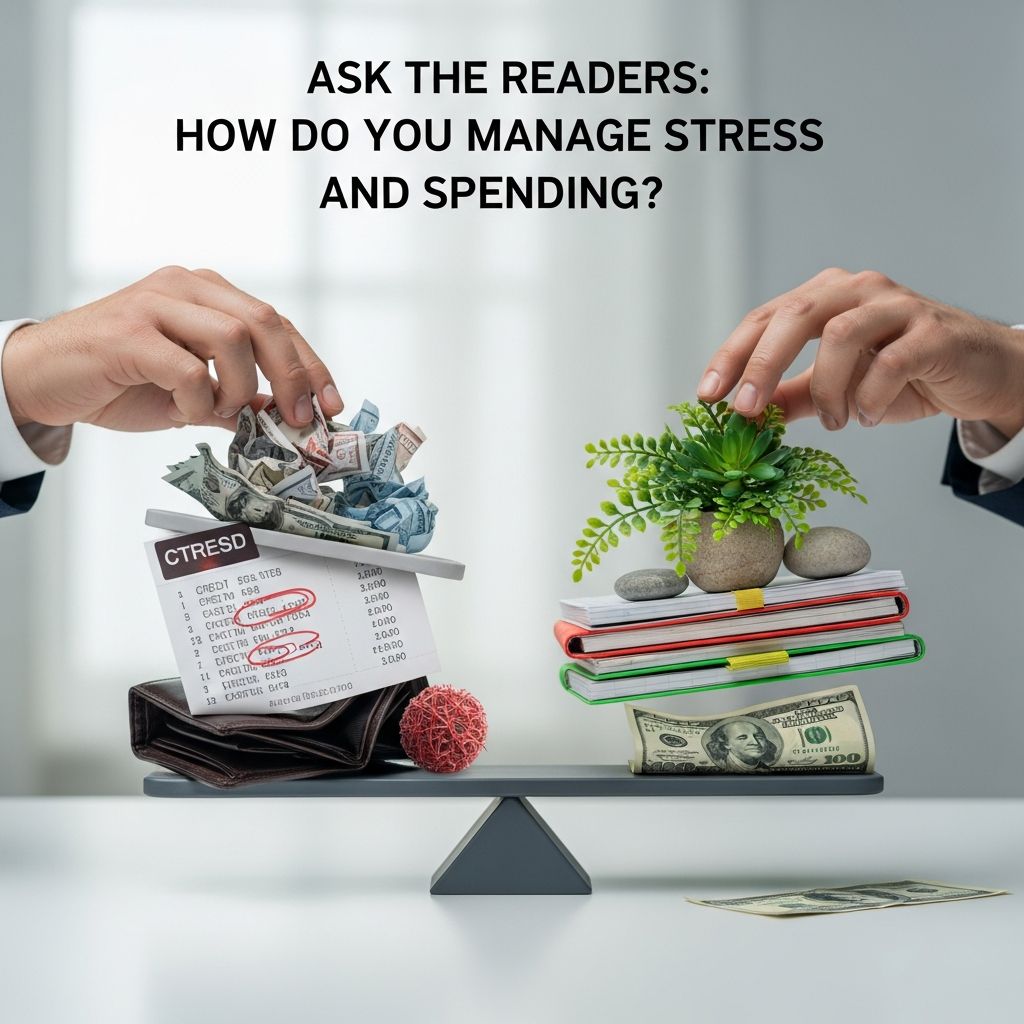
Ask the Readers: How Do You Manage Stress and Spending?
Share your best tips for keeping stress in check and spending on track—win $10 if we publish your advice!
Stress and spending often go hand in hand. When life gets overwhelming, it’s tempting to hit the shops for a quick dopamine hit or rack up credit card bills on comfort buys. But unchecked, this cycle can lead to financial chaos and even more anxiety. A Bankrate survey revealed that over 40% of Americans feel pressured to overspend during high-stress periods like holidays, exacerbating money worries. How do you break the pattern?
The Stress-Spending Connection
Financial stress isn’t just about numbers on a spreadsheet—it’s emotional. Research shows stress triggers impulse buying as a coping mechanism, with many turning to retail therapy during tough times. According to financial experts, this “stress-induced spending” sabotages budgets and piles on high-interest debt. Common culprits include:
- Emotional triggers: Work pressure, family conflicts, or global events like inflation spikes push people toward unnecessary purchases.
- Holiday pitfalls: Seasonal demands amplify spending stress, with surveys indicating 58% prefer cash gifts to avoid overspending dilemmas.
- Subscription creep: Forgotten services drain $270 monthly on average, adding hidden stress when bills surprise you.
Managing this duo requires intentional habits. Budgeting pros emphasize tracking as the foundation: understanding spending patterns empowers control, much like time logging reveals productivity leaks.
Proven Strategies to Tame Stress and Spending
From community insights and expert advice, here are actionable ways to regain balance. These draw from real-world tips shared across financial forums and polls.
1. Track Spending Religiously
Review transactions daily for three minutes. This “hawk-like” vigilance uncovers leaks and builds awareness. Libby Kane of Insider Finance notes it’s the critical first step to rock-solid budgeting. Tools like spreadsheets reveal zombie subscriptions and justify cuts.
| Tracking Method | Benefits | Tools |
|---|---|---|
| Daily App Review | Instant awareness, cuts impulse buys | Tiller, Mint |
| Spreadsheet Logs | Custom reports on subscriptions/debt | Google Sheets templates |
| Receipt Tally | Real-time grocery budget guard | Pen & paper |
2. Craft a Simple Spending Plan
Ditch crash diets for sustainable “spending plans” based on the three E’s: Essentials, Enjoyment, Excess. Set it pre-new year with check-ins. This reduces uncertainty, with studies confirming budgets lower financial anxiety.
- Prioritize emergency funds before debt payoff.
- Batch tasks to mimic time budgeting—consolidate errands, cut task-switching costs.
3. Cut Hidden Costs and Debt
Audit subscriptions using free templates to slash recurring fees. Target high-interest debt next, as rates climb. Debt planners track balances automatically. For groups, split costs via apps like Zelle to avoid awkward reimbursements.
4. Adopt Stress-Free Habits
Stress-free people plan chaos buffers: let go of perfection, tally grocery costs live. Apply budgeting to time—log activities, eliminate wastes, batch tasks for traction.
Embrace a “luxury eccentricity”: splurge mindfully in one joy-sparking area to justify frugality elsewhere, signaling you’re not miserly.
Reader Poll: Share Your Tips!
What’s your go-to for stress-spending management? Do one daily habit like transaction checks defeat out-of-control buys? Tell us:
- How do you track spending under stress?
- Best budget tweak for anxiety relief?
- Stress-busters that save money (walks, meditation)?
- Debt hacks during turbulent times?
- One habit keeping you calm and cash-positive?
Win $10! Best responses (up to 10) get $10 via PayPal by [end of month]. Comment below—past winners averaged 100-200 words with specifics.
Frequently Asked Questions (FAQs)
Why does stress lead to overspending?
Stress triggers emotional spending for relief, creating a debt-anxiety loop. Tracking breaks it by fostering control.
How often should I review my budget?
Daily for transactions, weekly for plans. This keeps surprises low and confidence high.
What’s a luxury eccentricity?
A budgeted splurge area (e.g., hobbies) that balances frugality, boosting joy without debt.
Can talking about money reduce stress?
Yes—70% feel better post-discussion, per Umpqua Bank. Forums like Reddit Personal Finance help too.
Best free tool for subscription audits?
Google Sheets templates flag recurrings easily, no apps needed.
Long-Term Wins: Build Resilience
Sustainable calm comes from habits. Tiller users report less anxiety via community support and automated insights. Experts like Nicole Lapin advocate spending plans over diets for 2019-style success (timeless advice). In turbulent economies, these steps—tracking, planning, sharing—empower traction.
Combine with time hacks: master calendars prevent overload, batching mirrors expense grouping. Result? Less stress, more savings, financial freedom.
References
- How to Minimize Financial Stress During the Holidays — Wise Bread. 2018. https://www.wisebread.com/how-to-minimize-financial-stress-during-the-holidays
- 7 Proven Steps To Feeling Calm About Your Money In Turbulent Times — Tiller. 2023. https://tiller.com/7-proven-steps-to-feeling-calm-about-your-money-in-turbulent-times/
- 4 Ways Stress Is Killing Your Finances — Wise Bread. 2020. https://www.wisebread.com/4-ways-stress-is-killing-your-finances
- Best Money Tips: Habits of Stress-Free People — Wise Bread. 2022. https://www.wisebread.com/best-money-tips-habits-of-stress-free-people
- How to Use Budgeting Skills to Improve Your Time Management — Wise Bread. 2021. https://www.wisebread.com/how-to-use-budgeting-skills-to-improve-your-time-management
- WiseBread’s Luxury Eccentricity Trick — Consumer Credit. 2019. https://www.consumercredit.com/blog/wisebreads-luxury-eccentricity-trick/
Similar Articles








Read full bio of Sneha Tete