ARM Mortgages: Risks, Rewards, and Real Data
Explore how adjustable-rate mortgages stack up against fixed options with fresh data on usage, savings, and potential pitfalls for today's buyers.
Adjustable-rate mortgages (ARMs) have seen a notable resurgence as homebuyers navigate elevated interest rates. These loans start with attractive low rates that later fluctuate with market conditions, offering potential savings upfront but introducing uncertainty down the line.
Understanding the Fundamentals of Adjustable-Rate Mortgages
An ARM is a home financing option where the interest rate remains fixed for an initial period—often 3, 5, 7, or 10 years—before adjusting periodically based on a benchmark index like the Secured Overnight Financing Rate (SOFR) or Constant Maturity Treasury (CMT). This structure contrasts sharply with fixed-rate mortgages, which lock in the same rate for the entire loan term.
During the introductory phase, borrowers enjoy rates typically 0.5% to 2% lower than comparable fixed-rate products. For instance, a 5/1 ARM maintains its rate for five years, then recalculates annually. Lenders add a fixed margin to the index to determine the new rate, with safeguards like adjustment caps limiting increases.
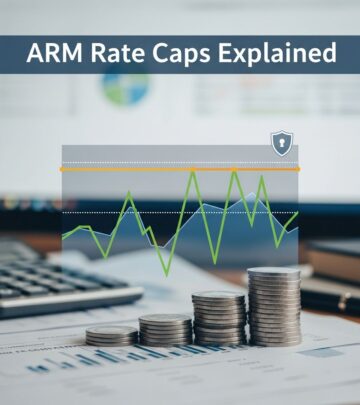
- Initial adjustment cap: Restricts the first rate change post-fixed period, often to 2-5%.
- Periodic adjustment cap: Caps subsequent yearly shifts, usually at 2%.
- Lifetime cap: Sets the maximum rate over the loan’s life, commonly 5-6% above the start.
These mechanisms aim to mitigate extreme volatility, though payments can still rise substantially if rates climb. Some ARMs include payment caps, but these risk negative amortization—where unpaid interest accrues, ballooning the principal.
Why ARMs Are Gaining Traction in Today’s Market
With 30-year fixed rates hovering above 6-7% in recent years, ARMs have captured about 10-15% of new originations, up from single digits pre-2022. This shift stems from affordability pressures: lower starter rates enable larger loans or pricier homes for the same budget.
Recent data indicates ARMs now average introductory rates under 4%, versus over 5% for fixed options, yielding monthly savings of $200-400 on a $400,000 loan. Buyers in high-cost areas or those with short-term plans find this especially appealing.
Key Advantages That Make ARMs Appealing
ARMs deliver several compelling benefits, particularly for specific borrower profiles.
Boosted Purchasing Power
The reduced initial rate translates to lower payments, allowing qualification for bigger mortgages. On a $500,000 loan, a 3.5% ARM versus 6.5% fixed could slash early payments by 25-30%, freeing funds for down payments or reserves.
Potential for Rate Declines
If market rates fall post-introductory period, payments adjust downward automatically—no refinance needed, unlike fixed loans. In a softening economy, this feature shines, with historical precedents during 2008-2020 rate drops.
Ideal for Short-Term Ownership
Home flippers, relocators, or those upgrading within 5-7 years maximize savings by exiting before adjustments. Investors targeting rental cash flow also benefit from early low costs.
| Scenario | ARM Benefit | Example Savings (on $400k loan) |
|---|---|---|
| 5-Year Ownership | Low intro rate | $15,000+ interest saved |
| Income Growth Expected | Handles future hikes | Qualify now, pay later |
| Falling Rates | Auto-adjust down | Up to 1-2% reduction |
The Hidden Dangers and Drawbacks of ARMs
Despite attractions, ARMs carry significant risks that have tripped up borrowers historically.
Payment Shock from Rate Resets
Post-fixed period, rates can surge if indexes rise, potentially doubling payments. A 3/1 ARM starting at 3% could hit 8%+ after caps, adding $500-1,000 monthly. The early 2000s subprime crisis amplified this via teaser rates and lax underwriting.
Budgeting Uncertainty
Unlike predictable fixed payments, ARMs demand financial flexibility. Unexpected hikes strain budgets, especially for long-term owners or fixed-income households.
Refinance and Exit Challenges
High rates or credit dips can trap borrowers, preventing switches to fixed loans. Closing costs (2-5% of loan) further deter.
- Stress-test affordability at lifetime cap rates before signing.
- Build emergency funds covering 6-12 months of max payments.
Who Should Consider an ARM?
Not every buyer suits an ARM; suitability hinges on timeline, finances, and risk tolerance.
Prime Candidates:
- Short-term owners (under 10 years).
- High earners anticipating raises or bonuses.
- Investors prioritizing cash flow.
- Those in declining-rate forecasts.
Steer Clear If:
- Planning 20+ year residency.
- Limited income growth prospects.
- Risk-averse or on tight budgets.
ARM vs. Fixed-Rate: A Head-to-Head Comparison
| Feature | ARM | Fixed-Rate |
|---|---|---|
| Initial Rate | Lower (3-4% typical) | Higher (5-7% typical) |
| Payment Predictability | Variable after intro | Stable entire term |
| Best For | Short-term, flexible budgets | Long-term stability |
| Risk Level | High (rate caps apply) | Low |
| Rate Drop Benefit | Automatic | Requires refinance |
Strategies to Mitigate ARM Risks
Smart borrowers can harness ARMs safely with proactive steps.
- Model Worst-Case Scenarios: Use calculators to project payments at cap levels.
- Opt for Longer Fixed Periods: 7/1 or 10/1 ARMs delay adjustments.
- Monitor Indexes: Track SOFR or CMT for adjustment previews.
- Plan Exits Early: Sell or refinance pre-reset if rates spike.
- Leverage Hybrid Options: Some lenders offer convertible ARMs to fixed.
Frequently Asked Questions About ARMs
What triggers an ARM rate adjustment?
Rates recalibrate based on an index plus margin, typically annually after the intro period.
Can ARM payments ever decrease?
Yes, if market indexes fall, subject to any floor rate set by the lender.
Are ARMs harder to qualify for?
No, but lenders qualify based on fully indexed rates to ensure affordability.
What’s a typical ARM structure like?
Common is 5/1: fixed 5 years, adjusts yearly with caps.
Should I get an ARM in 2026?
If rates stabilize or drop, yes for short holds; otherwise, fixed offers peace.
Final Thoughts on Choosing Your Mortgage Path
ARMs suit strategic buyers eyeing savings and flexibility, but demand rigorous planning. Weigh your horizon, finances, and market outlook against fixed-rate security. Consult lenders for personalized quotes and run projections to align with your goals.
References
- Adjustable-Rate Mortgage Risks and Benefits — WSECU. 2023. https://wsecu.org/resources/arm-risks-benefits
- Pros & Cons of an Adjustable-Rate Mortgage — Chase Bank. 2024. https://www.chase.com/personal/mortgage/education/financing-a-home/pros-and-cons-adjustable-rate-mortgage
- Pros and Cons of an Adjustable-Rate Mortgage (ARM) — Freedom Mortgage. 2024. https://www.freedommortgage.com/learn/mortgages/adjustable-rate-mortgage-pros-cons
- What Is an Adjustable-Rate Mortgage? — PNC Insights. 2024. https://www.pnc.com/insights/personal-finance/borrow/what-is-adjustable-rate-mortgage.html
- Pros And Cons Of An Adjustable-Rate Mortgage (ARM) — Bankrate. 2024. https://www.bankrate.com/mortgages/pros-and-cons-arm/
- Adjustable-rate mortgages: Pros and cons — Rocket Mortgage. 2024. https://www.rocketmortgage.com/learn/adjustable-rate-mortgage-pros-and-cons
- Adjustable-Rate Mortgages: How They Work (+Pros and Cons) — SCCU. 2023. https://www.sccu.com/articles/home-mortgage/adjustable-rate-mortgages-how-they-work-pros-cons
Similar Articles








Read full bio of Sneha Tete