Are You Paying Off Credit Card Debt the Wrong Way?
Discover the worst mistakes in credit card debt repayment and learn proven strategies to escape debt faster and smarter.
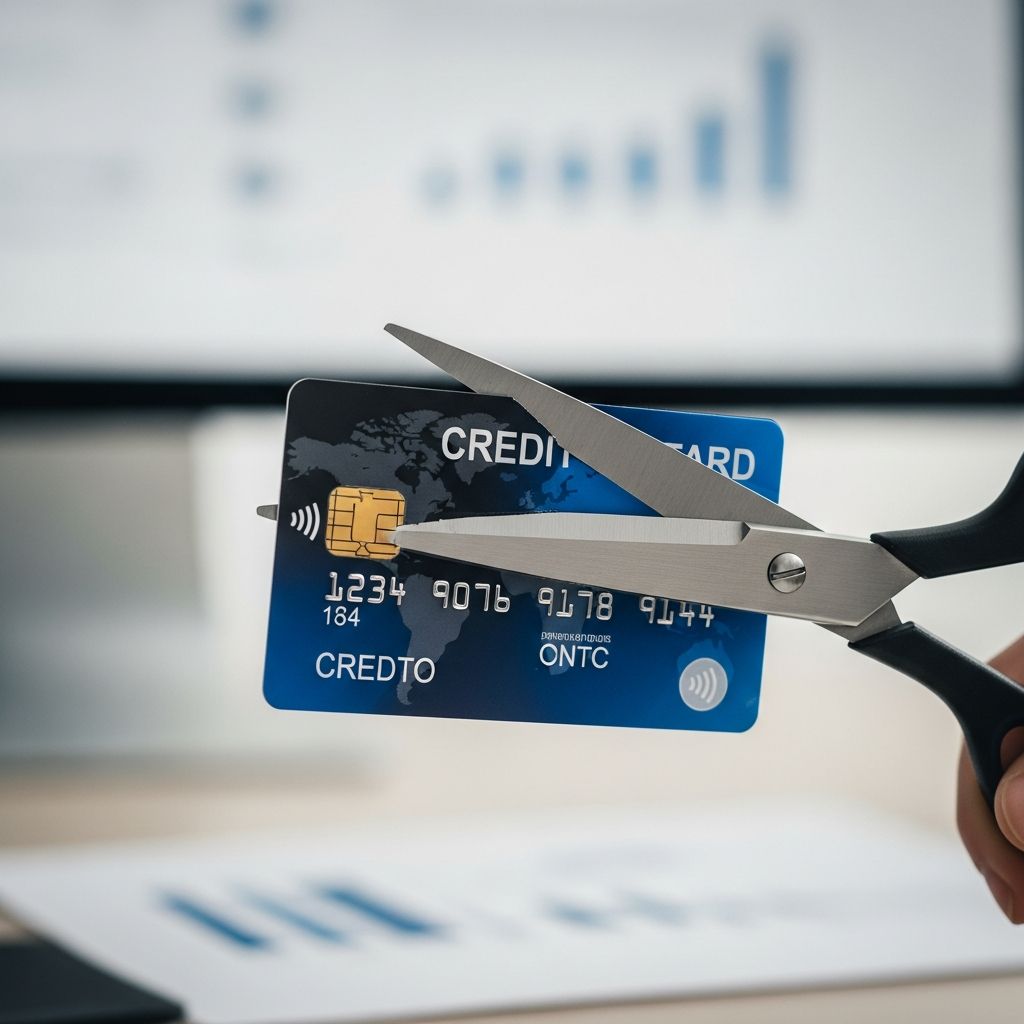
Struggling with credit card debt is a common challenge, but the method you choose to tackle it can dramatically impact your financial future. Paying off debt the wrong way might prolong your burden, increase costs, or even damage relationships and credit scores. This article explores the
10 worst ways
to pay off credit card debt, drawing from real-world pitfalls, and contrasts them with effective strategies for lasting relief.Understanding Credit Card Debt Repayment Pitfalls
Credit card debt often accrues high interest rates, averaging around 20-25% APR, making swift and strategic repayment essential. The ideal approach uses available cash to systematically reduce balances, but desperation leads many to risky shortcuts. These methods provide temporary relief but often exacerbate problems like higher fees, strained relationships, or ruined credit. By avoiding these traps, you can save thousands and rebuild faster.
The 10 Worst Ways to Pay Off Your Credit Card Debt
Here are the most detrimental tactics, ranked by their potential for long-term harm. Each promises quick fixes but delivers deeper financial woes.
1. Credit Card Cash Advance, AKA “Credit Card Shuffle”
Taking a cash advance from one card to pay another seems like shuffling debt around, but it incurs immediate fees (3-5% of the amount) and higher interest rates that accrue daily from day one—no grace period. This cycle keeps you trapped, as you’re essentially paying to borrow more at premium rates.
2. Borrow From Your 401(k)
Withdrawing or borrowing from your retirement account offers quick cash without credit checks, but you’re charged taxes and a 10% early withdrawal penalty if under 59½. Repayments come from taxed income, doubling the cost, and market dips could leave you short. This jeopardizes your future security for today’s debt.
3. Borrowing From Family or Friends
Interest-free loans from loved ones feel safe, but defaulting risks irreparable relationships. Without formal agreements, misunderstandings arise over repayment terms, turning financial help into family feuds. Legal action is awkward and rare, leaving resentment.
4. Borrowing Against a Life Insurance Policy
Permanent life insurance policies allow loans at low rates using cash value as collateral. However, unpaid loans reduce the death benefit, shortchanging beneficiaries. Interest compounds if ignored, potentially lapsing the policy entirely.
5. Debt Consolidation With a High-Interest Loan
Combining debts into one loan simplifies payments, but high-interest consolidations (often 10-20%) cost more over time. Focus on monthly payments ignores total interest; a lower payment stretches repayment, ballooning expenses.
6. Bankruptcy
For overwhelming debt, bankruptcy discharges balances but devastates credit for 7-10 years, hikes insurance rates, and complicates loans. It’s a last resort, viable only after exhausting options, as it doesn’t erase secured debts or rebuild habits.
7. Debt Settlement Companies
These firms negotiate reductions for fees (15-25% of settled debt), tanking your credit further and triggering IRS taxes on forgiven amounts as income. DIY settlement avoids fees but requires creditor battles; many end up worse off.
8. Haphazard Repayment Without a Strategy
Paying randomly across cards wastes money on interest. Without prioritizing high-interest or small balances, debt lingers, accruing unnecessary charges. Efficiency demands structure.
9. Ignoring the Root Causes
Repaying without budgeting overhaul repeats cycles. Overspending fuels new debt; track expenses to free cash for payments. Combine repayment with lifestyle changes for success.
10. Rushing Without Sustainability
Aggressive payoffs burn out quickly, skipping essentials. Slow, steady progress with realistic budgets prevents rebound debt. Patience builds discipline.
Proven Strategies to Pay Off Credit Card Debt the Right Way
Instead of pitfalls, adopt evidence-based methods. Start with
cold hard cash
from savings or income boosts.- Debt Avalanche: Target highest-interest cards first to minimize total interest. Example: $10,000 at 24% vs. $5,000 at 15%—pay avalanche saves ~$2,000.
- Debt Snowball: Eliminate smallest balances for momentum, boosting motivation despite higher interest costs.
- Debt Snowflake: Add micro-payments from savings or side hustles to accelerate.
| Method | Focus | Best For | Pros | Cons |
|---|---|---|---|---|
| Avalanche | Highest Interest | Cost Savings | Minimizes interest | Slower initial wins |
| Snowball | Smallest Balance | Motivation | Quick victories | Higher total interest |
| Snowflake | Extra Payments | Speed | Flexible boosts | Requires discipline |
Additional steps: Stop card use, organize debts in a spreadsheet, budget rigorously, negotiate rates (success rate ~70% via calls), and boost income. Balance transfers to 0% APR cards (if credit allows) consolidate smartly.
Real-Life Success: Slow and Steady Wins
One debtor cleared $20,000 over 4.5 years by budgeting, snowballing, and attitude shifts—rejecting quick fixes like bankruptcy. Discipline prevented recurrence. Tools like apps track progress, reinforcing habits.
Frequently Asked Questions (FAQs)
Q: What’s the fastest way to pay off credit card debt?
The avalanche method, combined with budgeting and extra payments, eliminates debt quickest by slashing interest.
Q: Is debt settlement worth it?
Rarely; high fees, credit damage, and taxes outweigh benefits unless insolvent and DIY-ing.
Q: Should I use a balance transfer?
Yes, for 0% promo periods if you can pay off before it ends; avoid if you’ll accrue new debt.
Q: How do I stay motivated?
Track wins, celebrate milestones debt-free, and visualize freedom—snowball builds psychological momentum.
Q: Can I negotiate interest rates?
Yes, loyal customers often succeed; cite payments and competitors for leverage.
Building Long-Term Financial Health
Beyond repayment, overhaul habits: live below means, build emergencies (3-6 months expenses), and use cards for rewards only, paying full monthly. Slow progress fosters discipline, preventing future debt. If overwhelmed, consult non-profits like NFCC.
Escaping credit card debt demands strategy over shortcuts. By dodging the 10 worst methods and embracing avalanche, snowball, or snowflake with budgeting, you’ll not only clear balances but secure lasting freedom.
References
- 10 Worst Ways to Pay Off Your Credit Card Debt — Wise Bread. 2015-06-15. https://www.wisebread.com/10-worst-ways-to-pay-off-your-credit-card-debt
- Consumer Financial Protection Bureau: Credit Card Debt Statistics — U.S. Government (CFPB.gov). 2024-09-01. https://www.consumerfinance.gov/data-research/credit-card-data/
- Understanding Credit Card Debt Repayment Strategies — Federal Reserve Board. 2023-11-20. https://www.federalreserve.gov/publications/files/consumer-credit-g19-current.pdf
- Slow and Steady Wins the Debt Race — Wise Bread. 2016-02-10. https://www.wisebread.com/slow-and-steady-wins-the-debt-race
- Using Balance Transfers to Pay Down Credit Card Debt — Bread Financial. 2024-05-15. https://www.breadfinancial.com/en/financial-education/understanding-credit/balance-transfers-to-pay-off-credit-card-debt.html
- Are You Paying Off Credit Card Debt the Wrong Way? — Wise Bread. 2014-08-22. https://www.wisebread.com/are-you-paying-off-credit-card-debt-the-wrong-way
- The Fastest Method to Eliminate Credit Card Debt — Wise Bread. 2017-03-05. https://www.wisebread.com/the-fastest-method-to-eliminate-credit-card-debt
Similar Articles








Read full bio of Sneha Tete