Are Storage Units Worth It? 6 Tips For 2026
Weigh the pros and cons of renting a storage unit to decide if it's a smart financial move for decluttering or downsizing.
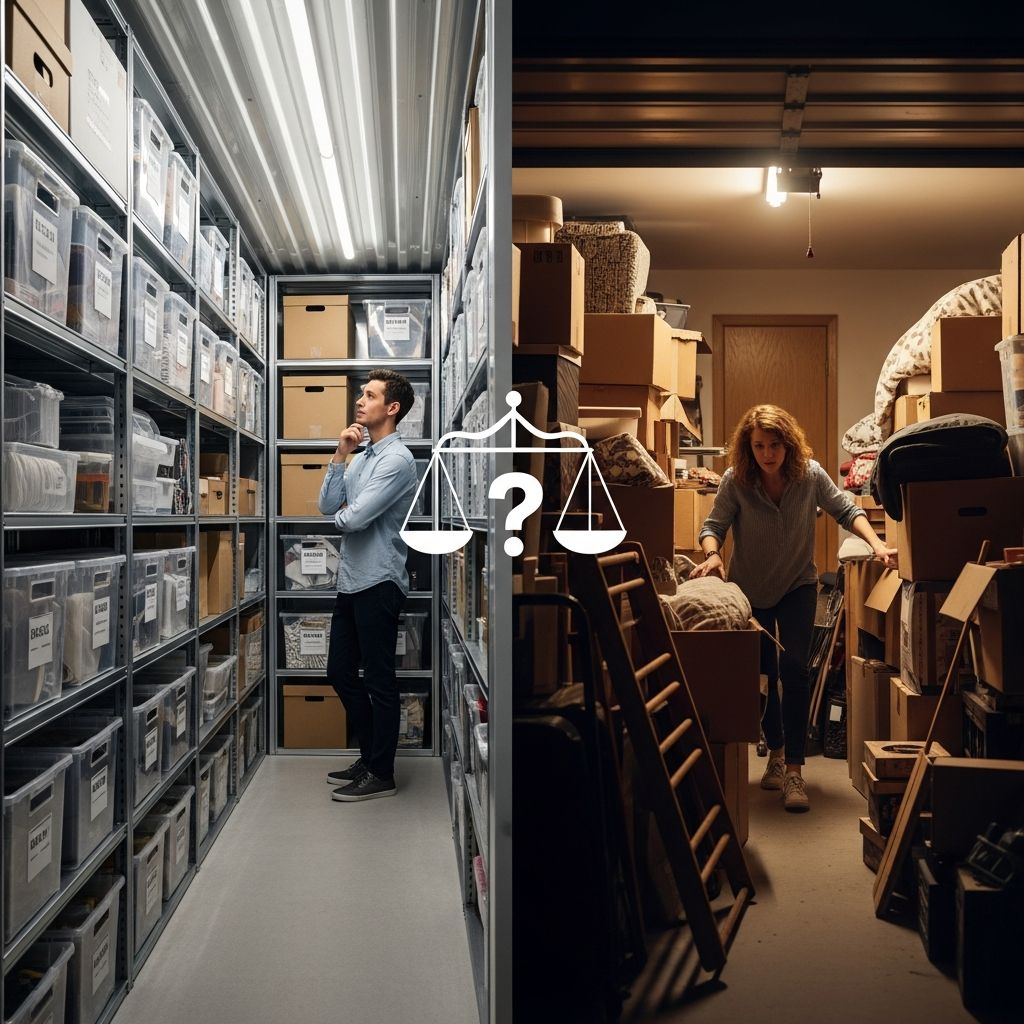
Renting a storage unit seems like a quick fix for excess belongings during moves, downsizing, or home renovations. But with average annual costs exceeding $1,000 for a standard unit, it’s essential to question if the convenience justifies the expense.
The self-storage industry has boomed, with over 50,000 facilities across the U.S., generating billions in revenue. Yet, many renters later regret the ongoing fees that pile up without decluttering their lives. This article dives deep into the pros, cons, costs, and alternatives to help you decide if a storage unit aligns with your budget and needs.
Understanding Storage Units: When Do People Rent Them?
Storage units provide short- or long-term space for items you can’t keep at home. Common scenarios include:
- Moving transitions: Bridging gaps between old and new homes.
- Downsizing: Seniors or families condensing into smaller spaces.
- Renovations: Protecting furniture during home updates.
- Seasonal storage: Boats, holiday decor, or sports gear.
- Business inventory: Small entrepreneurs storing stock affordably.
While convenient, the average renter keeps items for 12-18 months, turning temporary solutions into costly habits.
The Pros of Renting a Storage Unit
Storage units offer undeniable benefits, especially for specific situations.
1. Extra Space Without Commitment
Unlike buying property, renting a unit requires no long-term ownership hassles. Month-to-month leases provide flexibility, ideal for transient needs like job relocations.
2. Security and Protection
Reputable facilities feature gated access, cameras, and on-site managers, safeguarding valuables better than a garage or basement.
3. Accessibility on Your Schedule
Many offer 24/7 access, drive-up units for easy loading, and climate control for sensitive items like documents or antiques.
4. Cost-Effective for Businesses
For small operations, units beat warehouse leases, with flexible terms and lower overhead.
Premium facilities add value with packing supplies, dollies, and even truck rentals, streamlining moves.
The Cons: Why Storage Units Often Aren’t Worth It
Despite appeal, significant drawbacks make storage units a poor choice for many.
1. High and Accumulating Costs
Average monthly rent for a 10×10 unit ranges from $85-$108 nationally, totaling $1,000-$1,300 yearly. In high-demand cities like New York ($3,700/year) or Los Angeles ($2,500/year), prices soar. Over time, these fees exceed item replacement costs.
2. Hidden Fees and Rate Hikes
Beyond base rent, expect admin fees ($20-50), insurance ($10-30/month), locks, and climate control surcharges. Introductory rates often jump after 3-6 months.
| Fee Type | Average Cost | Frequency |
|---|---|---|
| Admin/Setup | $20-50 | One-time |
| Insurance | $10-30 | Monthly |
| Climate Control | 20-50% extra | Monthly |
| Lock Purchase | $10-20 | One-time |
| Rate Increase | 10-25% | After promo |
Common hidden fees that inflate total costs.
3. Limited Space and Accessibility Issues
Units fill quickly; oversize hauls require multiple rentals, doubling expenses. Budget options lack elevators, have narrow aisles, or remote locations, complicating access.
4. Risk of Damage and Poor Security in Cheap Units
Low-cost facilities skimp on maintenance, leading to pests, leaks, or theft. Non-climate-controlled spaces ruin electronics, wood, and papers via humidity.
5. The ‘Out of Sight, Out of Mind’ Trap
Renters rarely retrieve items, paying indefinitely for forgotten junk. Studies show 70% of stored goods are rarely used, questioning necessity.
Average Costs of Storage Units in 2026
Prices vary by size, location, and amenities. National averages (updated for 2026 inflation):
| Unit Size | Monthly Cost | Annual Cost | Best For |
|---|---|---|---|
| 5×5 (Closet) | $40-60 | $480-720 | Boxes, clothes |
| 5×10 (Hallway) | $60-100 | $720-1,200 | Furniture, bikes |
| 10×10 (1-Bedroom) | $85-150 | $1,020-1,800 | Apartments |
| 10×20 (2-Bedroom) | $150-300 | $1,800-3,600 | Houses, vehicles |
2026 national averages; urban areas 30-50% higher.
Climate control adds 20-50%; vehicle storage $100-400/month extra.
Alternatives to Traditional Storage Units
Often cheaper and smarter options exist.
- Declutter and Sell/Donate: Use apps like Facebook Marketplace or Goodwill. Turn stuff into cash.
- Garage or Attic Organization: Shelving maximizes home space for free.
- Peer-to-Peer Storage: Platforms like Neighbor offer 50% savings via unused garages.
- Mini-Warehouses for Businesses: Scaled for inventory without residential overflow.
- Portable Containers: PODS deliver to your door, reducing trips.
Calculate break-even: If replacing items costs less than 12 months’ rent, skip storage.
Tips to Make Storage Units Worth the Cost (If You Must Rent)
- Shop Around: Compare 5+ facilities; negotiate promos.
- Choose Right Size: Overestimating wastes money—measure first.
- Read Contracts: Scrutinize fees, access hours, liens (facilities can auction unpaid units).
- Insure Properly: Home policies rarely cover off-site; buy unit insurance.
- Pack Smart: Inventory lists, elevate items, use pallets against floors.
- Set End Dates: Review quarterly; declutter regularly.
Real-Life Stories: Storage Wins and Regrets
Jane downsized her parents’ home, storing heirlooms for $1,200/year—worth it for sentiment. Mike stored ‘temporary’ furniture for 3 years ($4,500 total), only to trash most upon retrieval.
These tales highlight: Storage suits irreplaceable items short-term, but fails for hoarding.
Frequently Asked Questions (FAQs)
Q: How much does a storage unit cost on average?
A: $85-150/month for 10×10 units nationally, higher in cities; expect $1,000+ yearly plus fees.
Q: Are storage units climate-controlled?
A: Optional at extra cost (20-50% more); essential for valuables, documents, or electronics.
Q: Can storage facilities sell my stuff?
A: Yes, via lien laws after 30-60 days unpaid rent—read state-specific rules.
Q: Is cheap storage safe?
A: Often not—minimal security, poor maintenance risks theft/damage. Inspect thoroughly.
Q: What’s cheaper than a storage unit?
A: Selling/donating items, home organization, or peer platforms like Neighbor (up to 50% less).
Final Verdict: Are They Worth It?
Storage units shine for brief, essential needs with high-value items. For most, they’re a money pit enabling clutter. Prioritize decluttering—your wallet (and sanity) will thank you. If renting, budget ruthlessly and exit fast.
References
- 8 Major Disadvantages of Renting a Self-Storage Unit — Midwest Moving. 2025-05-23. https://www.midwestmoving.com/2025/05/23/self-storage-disadvantages/
- The Pros And Cons Of Owning Storage Units — Neighbor Blog. N/A. https://www.neighbor.com/storage-blog/pros-and-cons-of-owning-storage-units/
- The Pros and Cons of Cheap Storage Space — Mouser Self Storage. N/A. https://mouserselfstorage.com/the-pros-and-cons-of-cheap-storage-space/
- The Ultimate Guide to the Pros and Cons of Self-Storage — Movers Inn. N/A. https://moversinn.com/pros-and-cons-of-self-storage/
- 8 Pros and Cons of Owning a Storage Facility [2025 Guide] — Unwired Storage. 2025. https://www.unwired.storage/self-storage-blog/pros-and-cons-of-owning-a-storage-facility
Similar Articles








Read full bio of medha deb