Are Paper Checks Still Necessary?
Explore why paper checks are fading in the digital payment era and discover modern alternatives for secure, efficient transactions.
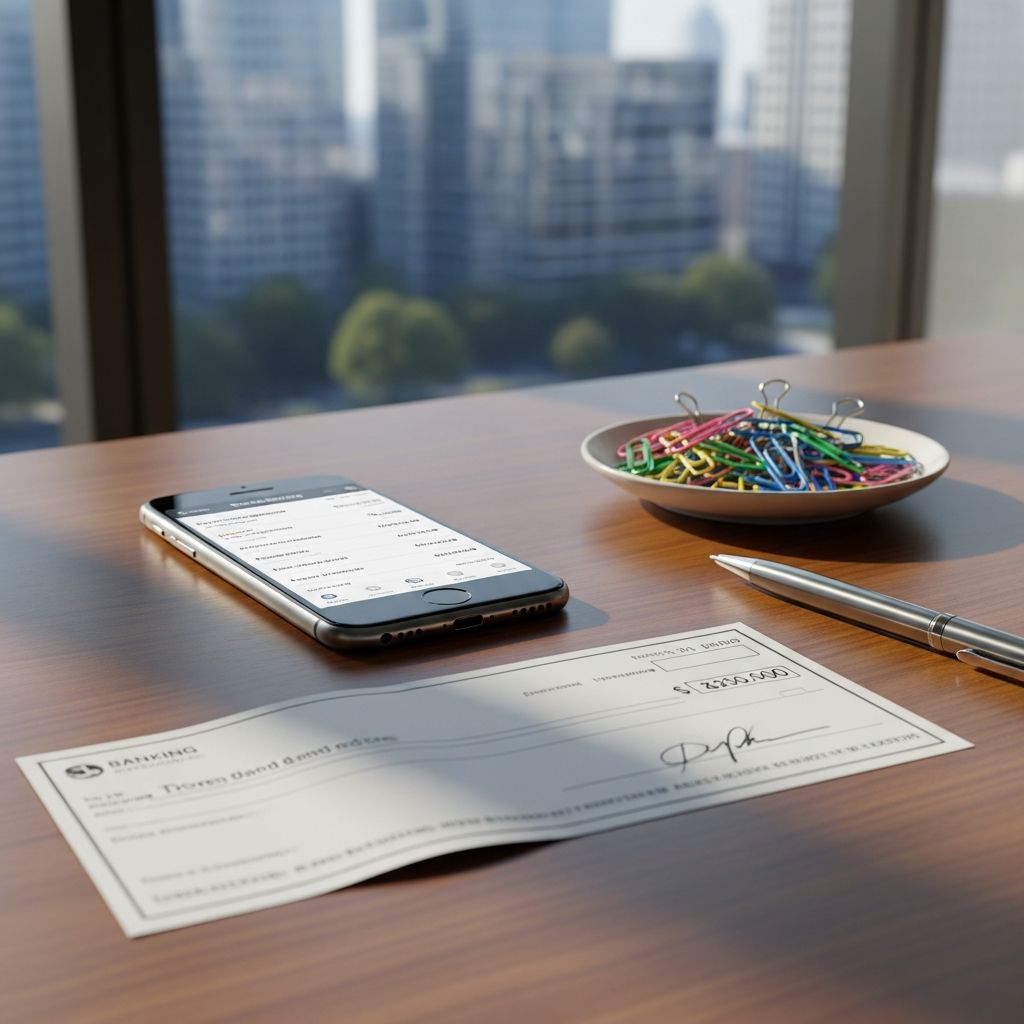
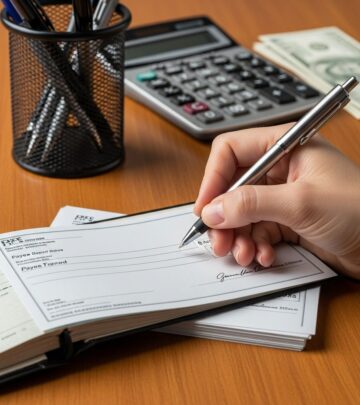
In an era dominated by instant digital transactions, the traditional paper check is becoming a relic of the past for most consumers. While paper checks once ruled everyday payments, advanced technologies like mobile apps, debit cards, and real-time payment networks have largely replaced them, offering speed, security, and convenience.
The Sharp Decline of Paper Check Usage
Paper check volumes have plummeted over the past decade, driven by the rise of electronic alternatives. In the United States, check payments dropped by more than 50% between 2000 and 2020, with projections indicating further reductions as digital options proliferate. This shift aligns with broader payment trends where consumers prioritize frictionless experiences, such as tapping a phone or scanning a QR code over writing and mailing a check.
Businesses and individuals alike are abandoning checks due to processing delays—often taking days to clear—and higher associated costs. For instance, mailing a check incurs postage fees, and there’s always the risk of it getting lost in transit. Recent industry forecasts predict that by 2026, non-cash digital payments will account for over 90% of consumer transactions globally, accelerating the obsolescence of paper-based methods.
Risks and Drawbacks of Relying on Paper Checks
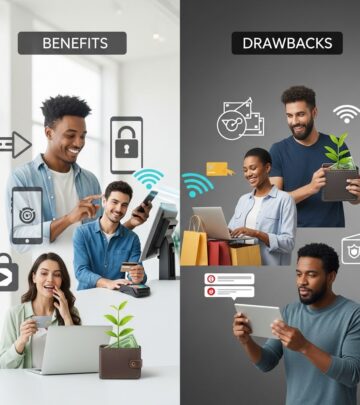
While paper checks remain legal and functional for certain scenarios, they come with significant vulnerabilities. Fraud is a primary concern: checks can be altered, stolen, or forged, leading to financial losses. In 2024 alone, check fraud incidents surged by 20% in some regions, prompting banks to implement stricter verification processes that further slow transactions.
- Security vulnerabilities: Exposed routing and account numbers make checks prime targets for identity thieves.
- Processing delays: Funds may take 3-7 business days to clear, disrupting cash flow.
- Environmental impact: Billions of checks printed annually contribute to paper waste and deforestation.
- Cost inefficiencies: Fees for check printing, envelopes, and stamps add up, especially for frequent users.
These issues highlight why modern payment systems emphasize encryption, tokenization, and real-time settlement to mitigate risks.
Powerful Digital Alternatives to Paper Checks
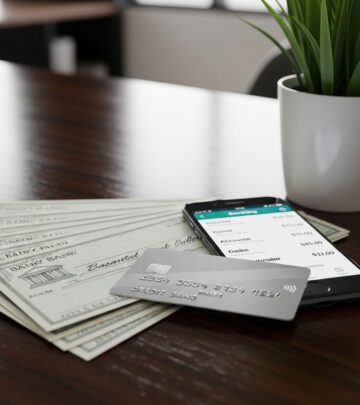
A wealth of secure, efficient options has emerged to replace paper checks entirely. These alternatives cater to personal, bill pay, and business needs, often at no extra cost through banking apps or free services.
| Method | Key Features | Best For | Processing Time |
|---|---|---|---|
| ACH Transfers | Bank-to-bank electronic transfers; low fees | Rent, utilities, payroll | 1-3 days |
| Mobile Payment Apps (e.g., Zelle, Venmo) | Instant peer-to-peer; QR code scanning | Friends, small vendors | Minutes |
| Debit/Credit Cards | Contactless tap; rewards programs | Retail, online shopping | Instant |
| Digital Wallets (e.g., Apple Pay) | Tokenized security; biometric auth | In-store, e-commerce | Instant |
| Real-Time Payments (RTP) | 24/7 availability; ISO 20022 standards | Urgent transfers | Seconds |
These methods not only eliminate paper but also integrate with emerging trends like agentic commerce, where AI agents handle purchases autonomously using tokenized credentials.
Emerging Payment Trends Accelerating the Shift Away from Checks
Looking toward 2026, payment innovations are making paper checks even less relevant. Agentic commerce, powered by generative AI, allows virtual agents to execute transactions on your behalf, secured by digital identities and blockchain verification. Mastercard anticipates this will personalize payments, adapting to user preferences like choosing debit for groceries or credit for travel.
Digital identity solutions are another game-changer, with 80% of consumers facing scams annually. Robust verification via biometrics and wallets will make proving identity as simple as a payment, reducing fraud risks associated with physical checks. Visa predicts agentic commerce will mainstream, enabling one-click buys through apps like ChatGPT integrated with payment rails.
Real-time payments are going global, with networks like RTP and stablecoins settling cross-border transfers in minutes rather than days. J.P. Morgan highlights always-on treasury systems, while Modern Treasury forecasts instant payroll and programmable payments redefining business operations.
When Might You Still Need Paper Checks?
Despite the digital revolution, niche situations persist where paper checks are practical or required. Landlords or older vendors may insist on them for leases, and some government agencies or court-ordered payments mandate physical checks. Events like weddings or charitable donations sometimes favor checks for record-keeping.
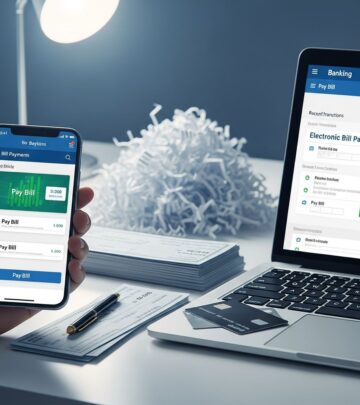
However, even in these cases, equivalents exist: electronic bill pay through banks simulates check mailing without paper. If you must use checks, opt for secure checkbooks with carbonless copies and enable bank alerts for issued items.
How to Transition from Paper Checks Seamlessly
Making the switch is straightforward with these steps:
- Review your bank app: Enable ACH, Zelle, or bill pay features—most are free.
- Set up autopay: For recurring bills like utilities or mortgages to avoid late fees.
- Link digital wallets: Add cards to Apple Pay or Google Wallet for everyday use.
- Educate contacts: Share your preferred payment methods with payees.
- Monitor security: Use multi-factor authentication and transaction alerts.
Businesses can integrate embedded finance platforms for closed-loop payments, boosting loyalty without check dependency.
Cost Savings and Environmental Benefits of Going Digital
Ditching paper checks yields tangible savings. An individual writing 50 checks yearly might spend $100 on supplies and postage; digital alternatives cost nothing. Businesses save millions: processing a check costs $4-20 versus pennies for electronic transfers.
Environmentally, the U.S. prints 11 billion checks annually, consuming vast resources. Switching to digital cuts carbon footprints by 90% per transaction, aligning with sustainability goals in the circular economy.
Addressing Common Concerns About Digital Payments
Many hesitate due to fraud fears, but digital methods are safer. Tokenization replaces card details with unique codes, and AI-driven fraud detection blocks anomalies in real-time. Regulations like ISO 20022 enhance data standards for better compliance and interoperability.
Accessibility is improving too, with biometric logins and voice commands aiding all users. For unbanked populations, fintech apps offer entry without traditional accounts.
FAQs
Can I stop ordering paper checks from my bank?
Yes, most banks allow cancellation of check orders. Confirm with payees first and set up digital alternatives.
Are digital payments really safer than checks?
Absolutely—features like encryption and instant alerts outperform paper’s vulnerabilities.
What if a vendor only accepts checks?
Use your bank’s bill pay service, which mails an electronic equivalent on your behalf.
How do real-time payments work?
Networks like RTP process 24/7 transfers in seconds via standardized rails, ideal for urgent needs.
Will paper checks disappear completely?
Not soon, but usage will shrink to under 5% of transactions by 2030 as digital dominates.
References
- The future of payments: Six industry trends shaping 2026 — Mastercard. 2025. https://www.mastercard.com/us/en/news-and-trends/stories/2025/2026-payment-trends.html
- 5 Payment Trends to Watch for in 2026 — J.P. Morgan. 2025. https://www.jpmorgan.com/insights/payments/trends-innovation/five-payment-trends-in-2026
- Fintech Predictions for 2026 — Modern Treasury. 2025. https://www.moderntreasury.com/journal/2026-fintech-predictions-key-trends-in-payments-banking-and-financial-infrastructure
- The Top Payments Predictions That Will Reshape 2026 — Visa. 2025. https://corporate.visa.com/en/sites/visa-perspectives/trends-insights/2026-predictions.html
- Shaping the future of payments — Deloitte. 2025. https://www.deloitte.com/us/en/Industries/financial-services/articles/infocus-payments-trends.html
Similar Articles








Read full bio of Sneha Tete