Are P2P Payments Secure?
Discover the convenience and hidden dangers of peer-to-peer payments, plus expert strategies to stay safe in the digital money era.
Peer-to-peer (P2P) payment systems have transformed how individuals exchange money, enabling instant transfers via mobile apps for everyday needs like splitting bills or reimbursing friends. While these platforms provide undeniable convenience, they carry notable security vulnerabilities, including irreversible transactions and prevalent scams that target unsuspecting users. This article delves into the intricacies of P2P safety, highlighting risks, protective measures, and emerging trends to empower informed decision-making.
Understanding Peer-to-Peer Payment Platforms
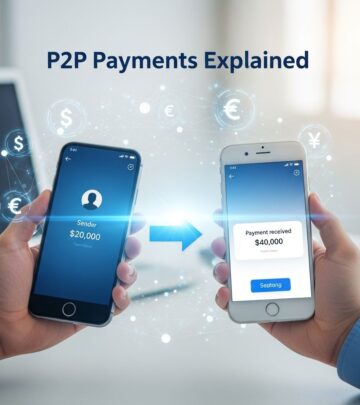
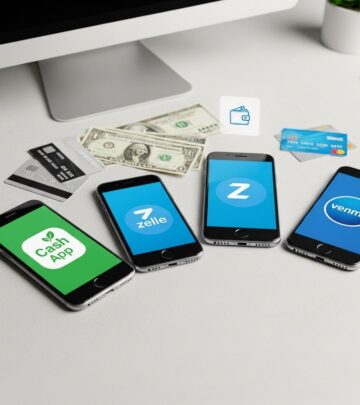
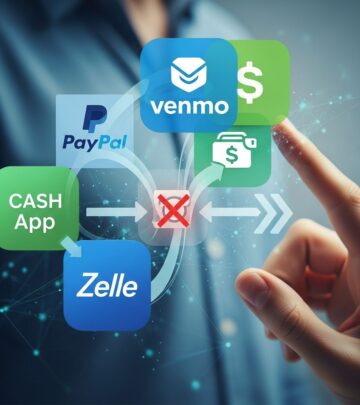
P2P payments facilitate direct money transfers between individuals without traditional intermediaries like banks for every step, though apps often link to bank accounts or cards. Popular services include Venmo, Zelle, Cash App, and PayPal’s personal mode. These apps prioritize speed, often completing transfers in seconds, which appeals to users for casual transactions.
Unlike credit card payments with built-in dispute mechanisms, P2P transfers mimic handing over cash: once sent, they are typically final. This design suits trusted relationships but exposes users to exploitation when trust is misplaced. Federal regulations under the Electronic Fund Transfer Act offer some safeguards for unauthorized access, but authorized scam-induced transfers receive no automatic reimbursement.
Key Security Vulnerabilities in P2P Systems
The architecture of P2P apps introduces specific weaknesses. Funds held in these platforms may lack federal deposit insurance, unlike bank accounts protected by FDIC up to $250,000. User agreements often obscure details on fund storage or bankruptcy scenarios, heightening systemic risk.
- Irreversible Transactions: Most P2P sends cannot be undone, unlike wire transfers with recall options in some cases.
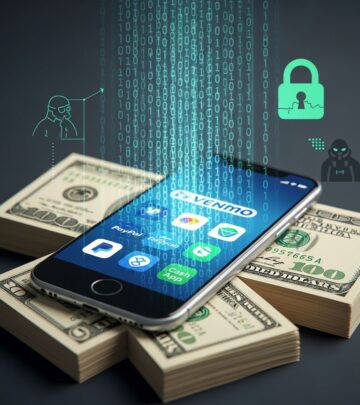
- Data Breaches: Past incidents have exposed user data, though direct theft from balances is rare due to robust backend security.
- Anonymity Features: Easy account creation with minimal verification enables fraudsters to operate under false identities.
Regulatory gaps exacerbate these issues. P2P operates in a lightly supervised space, with patchwork state laws but no uniform federal standards mandating reserves or buyer protections.
Common Scams Exploiting P2P Apps
Scammers thrive on P2P’s speed and finality. According to surveys, about 13% of users have encountered fraud. Here are prevalent tactics:
| Scam Type | Description | Why It Works |
|---|---|---|
| Accidental Overpayment | Fraudster sends excess funds via stolen card, requests refund. Platform reverses original payment later, leaving sender liable. | Exploits goodwill and instant reversibility limits. |
| Fake Marketplace Sales | Seller demands P2P payment for goods, vanishes post-transfer. No purchase protection like PayPal’s goods mode. | Bypasses merchant safeguards. |
| Phishing and Impersonation | Fake alerts mimic banks/apps, tricking users into sharing credentials or clicking malicious links. | Targets verification codes and login details. |
| Account Takeover | Imposter poses as support after fake authorization text, extracts multi-factor codes. | Combines social engineering with weak verification. |
These schemes evolve rapidly, with criminals adapting to app updates. Victims often recover nothing, as platforms deem transfers authorized.
Platform-Specific Protections and Limitations
Not all P2P apps are equal in safeguards. Here’s a comparison:
| Platform | Key Protections | Notable Limitations |
|---|---|---|
| Zelle | Bank-integrated, fraud alerts. | No reversals, no buyer protection. |
| Venmo | Goods/services option with disputes; PIN per transaction. | Fees for credit card funding; social feed exposes activity. |
| PayPal Personal | Strong encryption, MFA. | Irreversible for friends/family; switch to goods for protection. |
| Cash App | Biometrics support. | Limited dispute resolution. |
Linking credit cards adds chargeback rights but incurs fees (up to 3%) on most apps. Debit or bank links avoid fees but forfeit disputes.
Proven Strategies to Protect Your Funds
Users can mitigate risks through vigilant habits and tech tools:
- Enable Multi-Factor Authentication (MFA): Requires password plus code/biometric, blocking 99% of automated attacks.
- Verify Recipients: Double-check names, usernames, and amounts before confirming.
- Restrict to Trusted Contacts: Reserve P2P for known individuals; use goods protections for strangers.
- Monitor Accounts: Set alerts for transactions; review statements weekly.
- Use Secure Funding: Prefer credit cards for disputes; transfer balances to insured banks promptly.
- Avoid Public Wi-Fi: Prevents man-in-the-middle intercepts; stick to cellular or VPN.
For businesses or high-volume users, adopt KYC verification and PCI-compliant gateways to deter fraud.
Regulatory Landscape and Future Outlook
Lawmakers recognize P2P frailties. States propose reserve requirements and transparency mandates, while federal bodies like the CFPB monitor for systemic risks. The 2023 Clarity for Payment Stablecoins Act hints at broader digital payment oversight, potentially extending FDIC-like protections.
Industry responds with AI-driven fraud detection and biometrics. Expect standardized security, like mandatory MFA and real-time scam alerts, as adoption surges—projected to hit $2 trillion globally by 2027.
Despite progress, user responsibility remains paramount until regulations mature.
Real-User Experiences and Lessons Learned
Anecdotes underscore vigilance needs. One user lost $500 to an overpayment ploy, recovering nothing despite reports. Another avoided phishing by ignoring unsolicited calls. Common thread: Scams prey on urgency and trust.
Statistics reveal scale: Pew notes 13% scam victimization; rising complaints to FTC signal urgency.
Alternatives to Traditional P2P for Safer Transfers
- Bank Apps: ACH transfers with reversals, often fee-free.
- Credit Cards: Full dispute rights via Fair Credit Billing Act.
- PayPal Goods/Services: Buyer/seller protections.
- Cash or Checks: Tangible, no digital risks for locals.
Hybrid approaches, like P2P for small trusted sends and alternatives for others, balance convenience and safety.
Frequently Asked Questions
Can I get money back from a P2P scam?
Rarely, as transfers are authorized. Contact support immediately, but success varies.
Is Zelle safer than Venmo?
Zelle integrates with banks for faster fraud response but lacks purchase protections; depends on use case.
What if my P2P account is hacked?
Federal law limits liability to $50 if reported promptly; enable MFA to prevent.
Should I link my bank to P2P apps?
Yes, for fee-free transfers, but monitor closely and use low-balance accounts.
Are P2P payments FDIC insured?
Only pass-through from linked banks; app-held balances often aren’t.
Final Thoughts on Balancing Convenience and Caution
P2P payments excel for quick, trusted exchanges but demand caution against scams and irreversibility. By adopting MFA, verifying contacts, and choosing protections wisely, users minimize risks. As regulations evolve, these tools will grow safer, but proactive habits ensure security today. Stay informed, transact smartly, and keep finances protected.
References
- What Are the Risks of Peer-to-Peer Payment Platforms? — Cal Coast Credit Union. 2023. https://www.calcoastcu.org/knowledge-center/what-are-the-risks-of-peer-to-peer-payment-platforms/
- Is It Safe to Use Peer-to-Peer Payments? — Experian. 2023. https://www.experian.com/blogs/ask-experian/are-peer-to-peer-payments-safe/
- The Risks of Peer-to-Peer Payment Platforms — Santa Cruz Community Credit Union. 2023. https://scccu.org/the-risks-of-peer-to-peer-payment-platforms/
- P2P Payment Fraud: Strategies for Prevention — SearchInform. 2024. https://searchinform.com/articles/cybersecurity/cyber-threats/fraud/type/financial-fraud/p2p-payment-fraud/
- Peer-to-Peer Payments Are Generally Safe, But Consumers Must Be Aware of Risks — Consumer Reports. 2018-08-06. https://www.consumerreports.org/digital-payments/peer-to-peer-payments-are-generally-safe-but-consumers-must-be-aware-of-risks/
- The Risks of P2P Payment Apps — Charles Schwab. 2023. https://www.schwab.com/learn/story/risks-p2p-payment-apps
- Peer to Peer Payment Scams — American Bankers Association. 2023. https://www.aba.com/advocacy/community-programs/consumer-resources/protect-your-money/peer-to-peer-payment-scams
Similar Articles








Read full bio of Sneha Tete