Are Online Savings Accounts Secure?
Discover why digital savings accounts offer robust protection through federal insurance and advanced tech, plus tips to safeguard your funds.
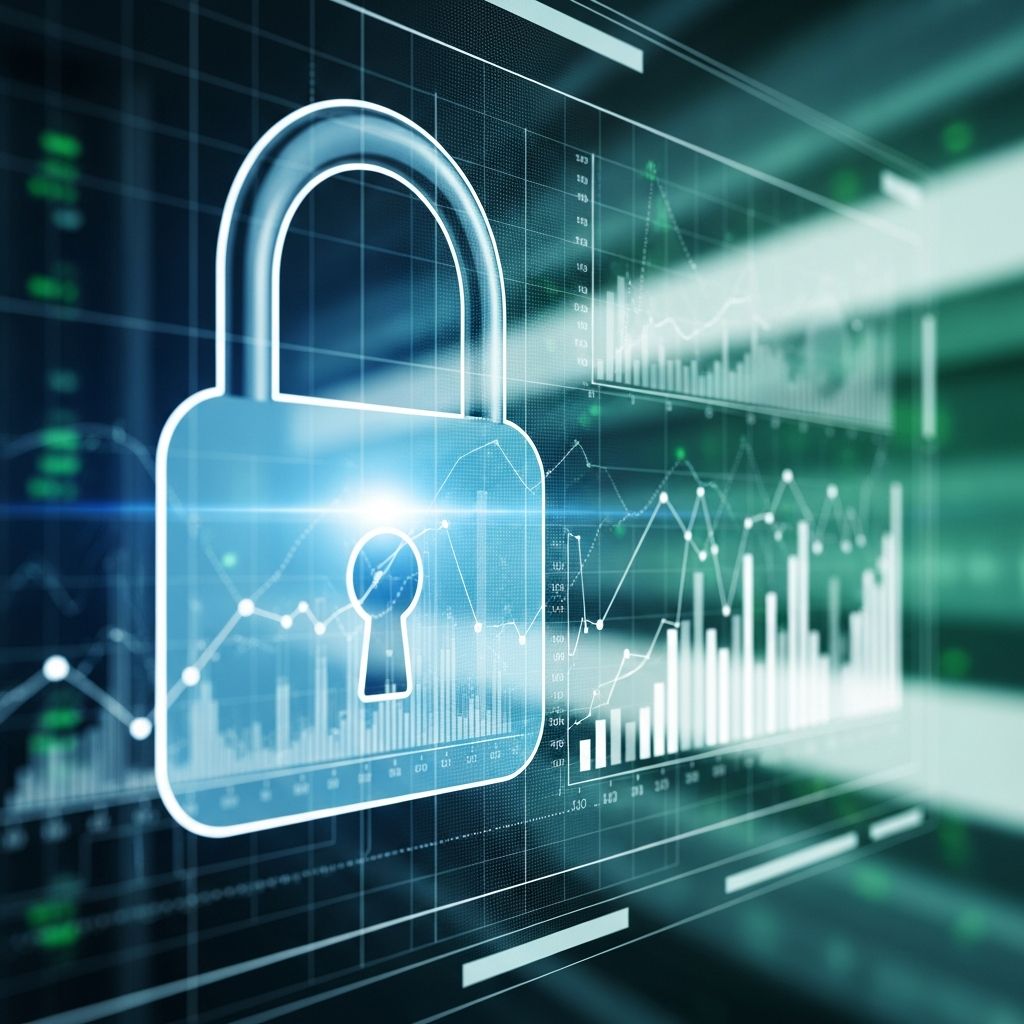
Digital savings accounts from online banks deliver the same level of fund protection as traditional institutions, backed by federal insurance and cutting-edge security measures. These accounts combine high interest rates with 24/7 accessibility, making them a smart choice for savers who prioritize both growth and safety.
Understanding the Core Protections of Digital Savings
Online financial institutions employ multiple layers of defense to shield customer deposits. Federal insurance schemes like FDIC for banks and NCUA for credit unions cover up to $250,000 per depositor, per ownership category, per insured entity, safeguarding against institutional failure. This coverage activates only if the bank collapses, not for individual fraud incidents.
Beyond insurance, encryption technologies such as SSL scramble data transmissions, rendering intercepted information useless to hackers. Firewalls block unauthorized access, while real-time fraud detection systems flag suspicious transactions for immediate review. Automatic session timeouts further prevent idle account exploitation.
How Federal Insurance Works for Online Accounts
To verify coverage, use official tools: FDIC’s BankFind suite for banks or NCUA’s locator for credit unions. These resources confirm an institution’s status without relying on promotional claims. Coverage applies identically to online and physical branches, ensuring digital-only banks like those offering high-yield options remain equally secure.
Exceeding $250,000? Spread funds across multiple insured institutions or categories—such as individual, joint, or trust accounts—to maximize protection. Note that insurance excludes investment products or amounts over the limit in one category.
| Insurance Type | Coverage Limit | Applies To | Verification Tool |
|---|---|---|---|
| FDIC | $250,000 per depositor, per category, per bank | Banks (online or physical) | BankFind |
| NCUA | $250,000 per depositor, per category, per credit union | Credit unions | NCUA Locator |
Advanced Security Features in Modern Online Banking
Multifactor authentication (MFA) requires multiple verification steps—password plus biometric scan, SMS code, or app notifier—thwarting credential theft. Biometrics like fingerprint or facial recognition add convenience without compromising strength.
Fraud monitoring employs AI to analyze patterns, alerting users to anomalies like logins from unfamiliar locations. Tokenization replaces sensitive data with unique identifiers, minimizing breach impacts. These tools collectively reduce unauthorized access risks significantly.
- Encryption: SSL/TLS secures data in transit.
- MFA: Layers beyond passwords.
- Fraud Alerts: Real-time notifications.
- Auto-Logout: Inactivity protection.
- Biometrics: Device-based verification.
Potential Risks and How to Mitigate Them
While robust, online accounts face threats like phishing, malware, and weak passwords. Phishing emails mimic banks to steal credentials; always verify sender domains directly. Malware can keylog inputs, so maintain updated antivirus software.
Public Wi-Fi exposes data to interception—avoid it for banking. Lost devices risk access if not remotely wiped. The Electronic Funds Transfer Act limits liability for prompt-reported unauthorized transfers, typically to $50 if notified within two days.
Proven Strategies for Personal Account Security
Adopt these habits to fortify your defenses:
- Create
strong, unique passwords
(12+ characters, mixing letters, numbers, symbols) for each account; use a manager. - Enable all alerts for logins, transfers, and balance changes.
- Avoid clicking unsolicited links; navigate manually to bank sites.
- Update devices and apps regularly for security patches.
- Use VPNs on unsecured networks if unavoidable.
- Monitor statements weekly for irregularities.
For shared computers, never save passwords and always log out fully. Disable auto-Wi-Fi connections on mobiles to prevent rogue networks.
Benefits Beyond Security: Why Choose Online Savings
Security matches traditional banks, but online options excel in yields—often 10x higher due to lower overhead. No-fee structures and instant transfers enhance usability. Link to checking for overdraft buffers, potentially fee-free.
Round-the-clock management via apps suits busy lifestyles, with features like goal trackers and automated savings rounds-ups.
| Feature | Online Savings | Traditional Savings |
|---|---|---|
| Interest Rates | Higher APYs | Lower typically |
| Access | 24/7 digital | Branch hours + digital |
| Fees | Often none | Possible maintenance fees |
| Insurance | FDIC/NCUA up to $250k | Same |
Selecting a Reliable Online Savings Provider
Prioritize FDIC/NCUA-insured entities with proven security. Review privacy policies, customer service ratings, and mobile app scores. Test MFA implementation and alert responsiveness before committing funds.
Compare APYs via aggregator sites, but confirm insurance independently. Established players with millions in assets signal stability.
Frequently Asked Questions (FAQs)
Are all online savings accounts FDIC-insured?
No, verify via FDIC BankFind; only insured institutions protect up to $250,000.
Can I lose money to hacks in an online account?
Rarely—federal laws and bank monitoring limit liability if reported quickly. Insurance covers bank failure, not fraud.
Is public Wi-Fi safe for checking balances?
No, risks interception; use cellular data or VPN.
How do online rates compare to brick-and-mortar?
Online often higher due to no branch costs.
What if my balance exceeds $250,000?
Distribute across accounts or banks for full coverage.
Steps to Open a Secure Online Savings Account
Research insured providers, gather ID/docs, sign up online (5-10 minutes). Fund via ACH transfer. Set up MFA, alerts, and strong password immediately. Review terms for fees or limits.
Start small to test platform reliability before larger deposits.
References
- Are Online Savings Accounts Safe? — SoFi. 2023. https://www.sofi.com/learn/content/are-online-savings-accounts-safe/
- Are Online Savings Accounts Safe? — Experian. 2023. https://www.experian.com/blogs/ask-experian/are-online-savings-accounts-safe/
- Do Online Banks Offer Financial Security? — Bankrate. 2023. https://www.bankrate.com/banking/are-online-banks-safe/
- Are online banks safe? 6 security tips for banking online — Ally Bank. 2023. https://www.ally.com/stories/security/make-sure-your-online-banking-is-secure/
- 9 Best Practices for Staying Secure When Using Online Banking — Western Banks. 2023. https://www.westernbanks.com/advice-center/9-best-practices-for-staying-secure-when-using-online-banking/
- 4 Key Advantages of a Savings Account: Access, Security and More — Comerica Bank. 2023. https://www.comerica.com/insights/personal-finance/advantages-of-a-savings-account-security-access-and-more.html
- Is Digital Banking for Me? — FDIC.gov. 2020-04-01. https://www.fdic.gov/consumers/consumer/news/april2020.html
Similar Articles








Read full bio of Sneha Tete