Liquidation Sales In 2025: Pros, Cons And Smart Tips
Uncover the truth behind liquidation sales: potential bargains or overhyped deals? Weigh pros, cons, and smart shopping strategies.

Liquidation sales occur when retailers or businesses sell off inventory at steep discounts to close locations, clear stock, or wind down operations. These events attract bargain hunters seeking deals on everything from clothing and electronics to furniture and home goods. But with promises of 50-90% off, are they truly worth the hype? This article dives deep into the realities, weighing benefits against drawbacks, and provides actionable advice for smart shopping.
What Are Liquidation Sales?
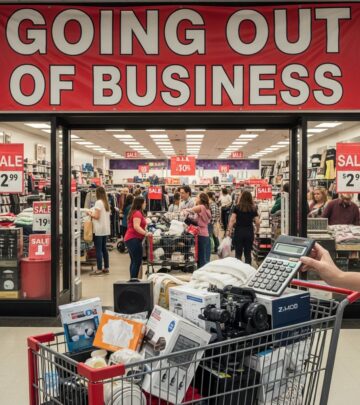
Liquidation sales, also known as going-out-of-business (GOB) sales, involve selling merchandise at reduced prices to liquidate assets quickly. They typically happen when a store chain shutters locations, a business files for bankruptcy, or excess inventory needs clearing. Unlike regular clearance sales, liquidation events aim to empty shelves entirely, often with ‘everything must go’ signage.
These sales can be physical in-store events or online auctions/pallets sold to resellers. Retailers hire professional liquidators who manage pricing, marketing, and sales. The process prioritizes speed over maximum profit, leading to aggressive discounts—but not always the steals shoppers expect.
Pros of Liquidation Sales
Shoppers flock to these sales for genuine opportunities to save. Here’s why they can be worthwhile:
- Deep Discounts on Quality Items: High-end brands like appliances, designer clothes, or electronics often sell at 70-90% off retail. For example, a $500 TV might go for $100 if it’s in good condition.
- Rare Finds and Variety: Inventory includes overstock, returns, or customer returns, offering unique items not found elsewhere. Serious collectors attend for vintage or niche goods.
- Quick Clearance: Sales create urgency, with prices dropping daily to move stock fast, rewarding patient shoppers who return multiple times.
- Hands-Off for Sellers: Businesses benefit from professional liquidators handling logistics, insured transport, and targeted marketing to buyers.
These advantages make liquidation sales appealing for budget-conscious consumers furnishing homes or stocking up on essentials.
Cons of Liquidation Sales
Despite the allure, pitfalls abound. Many shoppers leave disappointed:
- Inflated ‘Original’ Prices: ‘50% off’ claims often start from marked-up MSRPs, making discounts seem bigger than they are. Early prices may hover near retail.
- Quality Issues: Items are frequently customer returns, shelf-worn, or defective. Electronics might lack warranties, and clothing could be stained or mismatched.
- No Returns or Guarantees: Most sales are final—no refunds, exchanges, or buyer protections. Policies heavily favor sellers.
- Crowds and Chaos: Long lines, limited stock, and first-come-first-served lead to frenzy. Valuable items sell out fast or get priced high to deter sales.
- Lower Returns for Sellers: Businesses recover less than selling as a going concern, with assets fetching below book value and no goodwill premium.
These downsides explain why liquidation sales aren’t always the goldmine they’re advertised as.
What to Expect at a Liquidation Sale
Expect variability. Sales progress in phases: initial high prices to test demand, mid-sale markdowns, and final ‘bag-and-go’ blowouts. Inventory mixes new, open-box, and damaged goods. Professional liquidators appraise items accurately but prioritize volume over per-item max.
Common categories include:
| Category | Potential Deals | Risks |
|---|---|---|
| Electronics | TVs, laptops at 60-80% off | No warranty, scratches |
| Clothing/Home Goods | Designer labels cheap | Stains, wrong sizes |
| Furniture | New pieces discounted | Assembly required, dings |
| Tools/Appliances | Heavy-duty items cheap | Open box, missing parts |
Buyer beware: Inspect everything thoroughly.
Are Liquidation Stores Worth It?
Liquidation stores or pallets (bulk buys from wholesalers) extend the model online/offline. Pros include access to name-brand overstock at wholesale prices, ideal for resellers. Cons: High variability—pallets might yield 20-50% duds—and dealer markups erode savings.
In 2025-2026, with retail shifts post-pandemic, these stores proliferate but demand research. They’re worth it for flippers with inspection skills, less so for casual buyers.
Tips for Success at Liquidation Sales
Maximize wins with these strategies:
- Research First: Check store history, reviews, and liquidator reputation. Avoid unregulated firms.
- Visit Early and Often: Day 1 for picks, later for deeper cuts.
- Inspect Meticulously: Test electronics, check clothing tags, examine furniture.
- Set a Budget: Impulse buys lead to regrets on faulty items.
- Haggle Smartly: Possible on final days or bulk.
- Know Policies: Confirm no-returns upfront.
- Bring Help/Tools: Measuring tape, flashlight, extra hands for heavy items.
For businesses considering liquidation vs. selling: Evaluate profitability, customer base, and transferability. Selling often yields higher returns.
Alternatives to Liquidation Sales
- Online Marketplaces: eBay, Facebook Marketplace for controlled sales.
- Consignment Shops: Higher per-item prices but less effort.
- Direct Auctions: Competitive bidding for valuables.
- Business Sale: Preserve legacy and value over liquidation.
Frequently Asked Questions (FAQs)
Q: Are prices in liquidation sales real discounts?
A: Often inflated starting points make discounts appear larger; true savings emerge later in the sale.
Q: Can I return items from a liquidation sale?
A: Rarely—most are final sale with no warranties.
Q: Are liquidation pallets a good investment?
A: For experienced resellers yes, but high risk of low-quality goods for beginners.
Q: How do liquidators decide prices?
A: Based on market value, condition, and speed needs; professionals aim for fair but quick sales.
Q: Should businesses liquidate or sell?
A: Selling yields higher returns if transferable; liquidation for quick cash but lower value.
Q: Are estate liquidation sales similar?
A: Yes, focused on personal property; pros include expert handling, cons high commissions.
Word count: 1,678 (excluding HTML tags and metadata).
References
- Should you sell your business or liquidate it? The pros and cons of each — Sacramento Business Brokers. 2023-approx. https://www.sacramentobusinessbrokers.com/post/should-you-sell-your-business-or-liquidate-it-the-pros-and-cons-of-each
- Selling a Lifetime: The Realities of Liquidating Personal Property — Transitions Liquidation. 2023-approx. https://transitionsliquidation.com/selling-a-lifetime-the-realities-of-liquidating-personal-property/
- Business liquidation options vs. an owner’s retirement — MassMutual Blog. 2023-approx. https://blog.massmutual.com/work-business/business-liquidation-and-retirement
- Pros and Cons of Estate Liquidation You Need to Know — Jerry’s Antiques and Estates. 2021-10-12. https://jerrysantiquesandestates.com/2021/10/12/pros-and-cons-of-estate-liquidation-you-need-to-know/
- Pros and Cons of Using a Professional Estate Sale Company — Funeral Basics. 2023-approx. https://www.funeralbasics.org/pros-and-cons-using-estate-sale-company/
- Are Liquidation Stores Worth It In 2025? Pros, Cons, Tips — Bargain Bin City. 2025-approx. https://bargainbincity.com/bargain-blog/f/are-liquidation-stores-worth-it-in-2025-pros-cons-tips
Similar Articles








Read full bio of medha deb