Are Lifestyle Influencers Secretly Making You Broke?
Discover how lifestyle influencer culture can quietly drain your money and learn smart strategies to protect your finances.
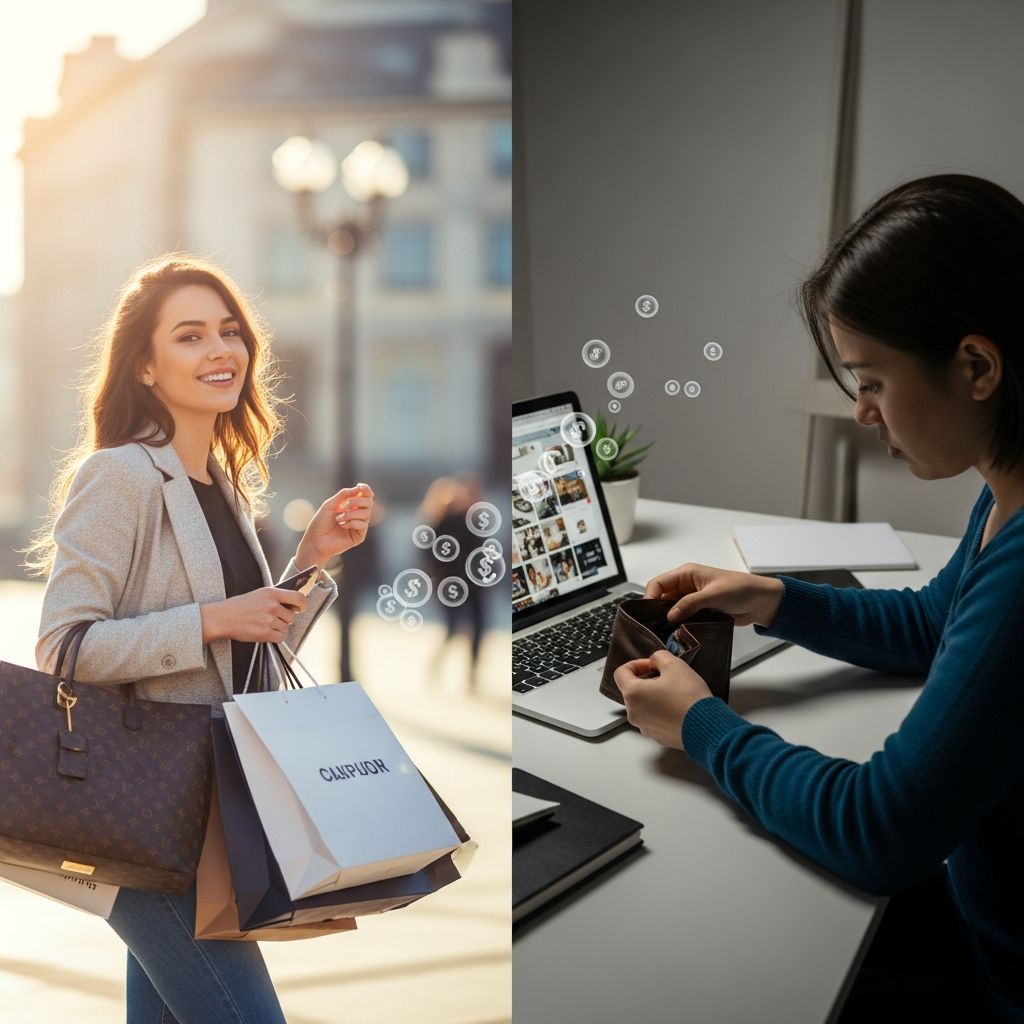
Scrolling through perfectly curated social feeds can make your life feel dull in comparison — and your wallet a lot lighter. Lifestyle influencers showcase daily routines, beauty products, vacations, outfits, and home decor that quietly set new “norms” for what life should look like. If you are not careful, that picture-perfect feed can quietly push you into overspending, debt, and financial stress.
This article breaks down how lifestyle influencers can impact your money, the psychology behind social media spending, and practical ways to enjoy content without going broke.
What Is a Lifestyle Influencer?
A lifestyle influencer is a content creator who shares their everyday life, values, interests, and routines in a way that is aspirational and relatable. Their content often covers multiple aspects of life, such as:
- Fashion and beauty routines
- Fitness and wellness habits
- Home decor and organization
- Travel and experiences
- Food, cafes, and restaurants
- Productivity, routines, and habits
Brands pay these creators to feature products or experiences in their posts and stories. Influencer marketing has become a mainstream strategy, with many brands increasing their creator budgets and paying for content that drives awareness and sales.
How Influencers Make Their Money
To understand why influencer content can push you to buy, it helps to understand how they earn an income. Common revenue streams include:
- Sponsored posts and videos: Brands pay influencers to showcase products in a way that looks like part of their normal life.
- Affiliate links and discount codes: Influencers earn a commission when followers buy through their special links or codes, often framed as “supporting my channel” or “getting you a deal”.
- Brand ambassadorships: Long-term partnerships where creators consistently promote a brand in exchange for ongoing payment, free products, or both.
- Ad revenue: Platforms like YouTube share ad income with creators, further rewarding higher views and engagement.
- Own products and services: Many influencers launch courses, merch, digital products, or physical brands that target their loyal audience.
The more they can convince followers to engage, click, and buy, the more valuable they become to brands. Research shows that a large share of consumers now make purchases influenced by creators, with many doing so regularly.
Why Lifestyle Influencers Can Be Dangerous for Your Wallet
Not all influencer content is harmful. But the constant exposure to curated lifestyles can undermine your financial goals in subtle ways.
1. They Normalize Constant Consumption
Many lifestyle accounts present daily or weekly hauls, new outfits for every occasion, frequent restaurant visits, or constant home refreshes. Over time, this can reset what you see as “normal.” If your own life and spending do not match, you may feel behind or deprived.
Social media platforms are designed to keep you engaged, and influencer content ties directly into social commerce, where viewers can purchase products without leaving the app. This seamless path from inspiration to checkout makes it easier to buy impulsively.
2. The Illusion of Affordability
Influencers often receive gifted products, PR packages, or sponsored experiences that do not come out of their personal budgets. What looks like a regular Tuesday for them might be several months of your discretionary income.
Because you only see the polished content, it can appear that these lifestyles are easily affordable or typical. In reality, many creators are paid specifically to make products look effortless, accessible, and essential.
3. Emotional Spending Triggers
Influencer marketing works because it leverages trust and relatability. Followers feel as if they “know” the creator, which makes recommendations feel like advice from a friend rather than an ad.
Common emotional triggers include:
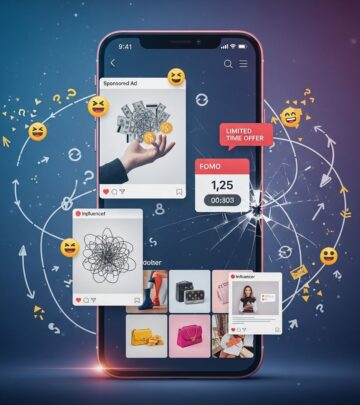
- FOMO (fear of missing out): Limited-time codes, “must-have” launches, and viral products create urgency.
- Insecurity: Content that subtly suggests you need a certain look, outfit, or routine to be productive, attractive, or successful.
- Belonging: Buying what your favorite creator uses can feel like joining their community or lifestyle.
4. Hidden Costs and Lifestyle Creep
Small, frequent purchases inspired by influencers can lead to lifestyle creep—gradual increases in spending as your idea of a “basic” lifestyle expands. Even if each purchase seems minor, the cumulative effect can eat into your savings, emergency fund, or debt repayment.
Influencer-inspired spending may not feel like a major splurge, but it can quietly shift money away from long-term goals like retirement, investing, or building financial security.
Signs Lifestyle Influencers Might Be Making You Broke
You do not have to cut off social media completely, but it is important to be honest about how it affects your behavior. Watch for these warning signs:
- You often buy products right after seeing them in a story, reel, or vlog.
- Your cart is full of “influencer favorites” that you did not know you wanted a week ago.
- You feel dissatisfied with what you already own after scrolling.
- You have credit card balances or buy-now-pay-later plans tied to clothes, beauty, decor, or gadgets you saw online.
- You feel pressured to upgrade your routines (skincare, morning rituals, gym gear) to match influencer standards.
- You track or remember more products recommended by influencers than your actual financial goals.
How Social Media Influences Spending: The Psychology
Social feeds are not neutral. They are engineered environments where attention, emotion, and social proof come together to drive action. Several psychological dynamics shape your spending:
| Psychological Trigger | How It Shows Up in Influencer Content | Impact on Your Money |
|---|---|---|
| Social proof | “Everyone” is using the same product; endless reviews and “dupes” | Makes you feel safer and more justified spending on non-essentials |
| Scarcity & urgency | Limited drops, countdowns, “run, don’t walk” language | Encourages impulse buying before you evaluate your budget |
| Authority & trust | Creators position themselves as experts in beauty, wellness, productivity | You may skip independent research and buy based on their word alone |
| Comparison | Highlight reels of expensive trips, designer items, or perfect homes | Leads to dissatisfaction with your own lifestyle and overspending to keep up |
| Convenience | Swipe-up links, shoppable posts, and in-app checkout | Reduces friction, turning a brief desire into a completed purchase |
Practical Ways to Protect Your Wallet
You can still enjoy lifestyle content and protect your financial health. The key is to shift from passive consumption to intentional engagement.
1. Unfollow, Mute, or Curate Strategically
Audit your feed with your budget in mind. Ask of each account:
- Do I feel inspired or inadequate after watching their content?
- Do I spend more after engaging with this creator?
- Do they provide value beyond selling products (education, insight, humor, community)?
Feel free to:
- Unfollow accounts that constantly trigger comparison or spending.
- Mute stories or posts if you still want to support them but need distance from product pushes.
- Curate more creators who talk about budgeting, saving, and intentional living.
2. Build a Clear Spending Plan
A written budget makes it easier to spot when influencer-inspired purchases are getting out of control. Financial experts generally recommend prioritizing essentials, savings, and debt payments before discretionary spending.
Consider:
- Setting a monthly fun/”influenced” spending cap for clothes, beauty, decor, and non-essentials.
- Using prepaid cards or separate accounts to avoid overshooting that limit.
- Tracking how many purchases you make that originated from social media.
3. Use a 24–72 Hour Rule
Impulse is the engine of influencer marketing. Introduce friction back into the process by pausing:
- Save items in a wishlist instead of buying immediately.
- Wait 24–72 hours before purchasing non-essential items.
- After the waiting period, ask: “Do I still want this? Does it fit my budget and my priorities?”
Often, the urge to buy passes once you step away from the emotional pull of content.
4. Compare Purchases to Your Financial Goals
Each time you are tempted, practice framing the decision in terms of trade-offs. For example:
- “If I spend $80 on this skincare set, I am choosing not to put $80 toward my emergency fund or debt.”
- “Is this purchase more important than being able to cover a $400 emergency without borrowing?”
Studies show that a significant portion of households struggle to cover even modest unexpected expenses without borrowing, which makes preserving cash for emergencies particularly important.
5. Look for Transparency and Balance
Not all influencers promote endless consumerism. Some:
- Disclose sponsorships clearly.
- Share realistic budgets or financial boundaries.
- Promote reusing, restyling, and mindful shopping.
- Speak openly about the difference between their content and real life.
Prioritize creators who treat their audience responsibly, not just as buyers.
6. Strengthen Your Own Money Mindset
Ultimately, your best defense is a solid sense of what you value and where you are heading financially. That includes:
- Defining what a “good life” looks like for you beyond things you can buy.
- Setting clear short- and long-term money goals (debt-free, saving for a home, investing).
- Celebrating small financial wins—like skipping a purchase and moving that money into savings.
The more grounded you feel in your own priorities, the less likely you are to be swayed by every new trend on your feed.
When Influencers Can Be Helpful
There is a positive side to influencer culture when used intentionally:
- Education: Some creators share valuable content about personal finance, careers, mental health, or low-cost living.
- Access to information: Reviews and tutorials can help you avoid poor purchases by seeing products in use first.
- Inspiration: Ideas for DIY projects, affordable style, or budget-friendly meals can support your financial goals instead of undermining them.
Influencer marketing itself is now a professionalized industry, with brands increasingly focusing on performance and measurable results rather than pure hype. As a consumer, you can use that knowledge to stay aware of when you are being marketed to—and choose when to engage.
Putting It All Together: A Healthier Relationship with Influencer Content
Being influenced is not a moral failing; it is a natural human response to social cues, especially in a digital environment optimized for persuasion. The goal is not to eliminate all influence but to manage it.
Ask yourself regularly:
- Is my social media use aligned with my financial goals?
- Do I feel in control of my spending—or reactive to what I see online?
- What small change to my feed or habits would make my money life calmer this month?
Your money should support your real life, not someone else’s curated version of it. You can enjoy beautiful content, appreciate creativity, and still choose to prioritize savings, debt freedom, and long-term security over every “link in bio” you see.
Frequently Asked Questions (FAQs)
Q: How do I know if influencers are negatively affecting my finances?
A: Track your last few discretionary purchases and note how many originated from social media. If most of your non-essential spending is influenced by content and you are struggling to save, pay bills, or avoid debt, that is a strong sign you need boundaries around influencer content.
Q: Do all lifestyle influencers encourage overspending?
A: No. Some are intentional about promoting realistic budgets, reusing items, and transparent sponsorships. The issue is not the job title “influencer” but the behavior: if a creator constantly pushes you toward frequent, unplanned purchases, they are not aligned with your financial wellbeing.
Q: Is it realistic to stop buying things I see online altogether?
A: You do not have to ban all influencer-inspired purchases. Instead, set a monthly limit, use a cooling-off period before buying, and prioritize items that serve a real need or align with your values. The goal is intentional, affordable spending, not perfection.
Q: Can following money-focused influencers help?
A: Yes, following personal finance educators, frugal living creators, or investors can counterbalance consumerist content. Look for transparent, evidence-based guidance and avoid anyone promising quick riches or encouraging risky behavior.
Q: What should I do if I am already in debt from influencer-inspired spending?
A: Start by assessing your total debt, interest rates, and minimum payments. Build a simple budget, reduce exposure to high-pressure content, and consider strategies like the debt snowball or avalanche for repayment. If you feel overwhelmed, reputable nonprofit credit counseling services can provide personalized guidance.
References
- Influencer Rates 2026: Comprehensive Guide for Brands & Creators — Afluencer. 2025-11-20. https://afluencer.com/influencer-rates/
- Influencer Marketing Trends 2026: Performance Insights — impact.com. 2025-10-02. https://impact.com/influencer/influencer-marketing-trends-performance/
- 2026 Influencer Marketing Predictions: TikTok & UGC Trends to Watch — Stack Influence. 2025-09-15. https://stackinfluence.com/2026-influencer-marketing-predictions/
- Economic Well-Being of U.S. Households in 2023 — Board of Governors of the Federal Reserve System. 2024-05-21. https://www.federalreserve.gov/publications/2024-economic-well-being-of-us-households-in-2023-dealing-with-unexpected-expenses.htm
- The Future of Influencer Marketing: 4 Trends for 2026 and Beyond — Sprout Social. 2025-08-08. https://sproutsocial.com/insights/future-influencer-marketing/
- Influencer Marketing Trends 2026 — CreatorIQ. 2025-09-10. https://www.creatoriq.com/blog/influencer-marketing-trends-2026
Similar Articles








Read full bio of Sneha Tete