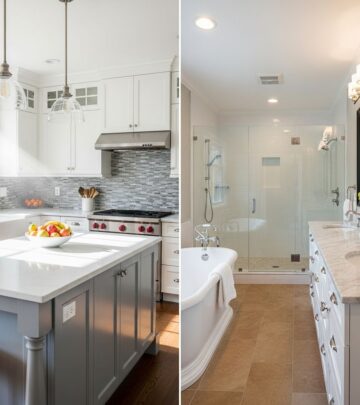
Are Home Improvement Loans Worth It?
Discover if home improvement loans make financial sense for your renovation projects with a balanced look at benefits, risks, and smarter alternatives.

Home improvement loans offer a way to fund renovations without dipping into savings, but their value depends on your financial situation, project scope, and long-term goals. These loans, often unsecured personal loans, provide quick access to cash for repairs or upgrades that can enhance living comfort and property worth.
Understanding Home Improvement Financing Options
Financing home upgrades comes in various forms, each with distinct features. Unsecured personal loans stand out for their speed and lack of collateral requirements, making them suitable for urgent fixes. In contrast, secured options like home equity lines of credit (HELOCs) or cash-out refinances tie funding to your property’s value, potentially offering lower rates but higher risks.
Key types include:
- Unsecured personal loans: No asset pledge needed; ideal for smaller projects or those avoiding equity taps.
- Home equity loans: Lump-sum borrowing against built-up equity with fixed payments.
- HELOCs: Flexible revolving credit, like a credit card backed by home value.
- Cash-out refinance: Replaces your mortgage with a larger one, pocketing the difference.
Choosing depends on equity availability, credit health, and project timeline. New homeowners often lean toward unsecured options since equity buildup takes time.
Key Advantages of Taking a Home Improvement Loan
These loans shine in scenarios demanding immediate action or when preserving home equity matters. Primary benefits include rapid fund disbursement, often within days, enabling swift project starts—crucial for emergencies like roof leaks or HVAC failures.
Other upsides:
- Fixed payments for budgeting ease: Predictable monthly amounts simplify cash flow planning, unlike variable-rate alternatives.
- No home risk: Unsecured varieties skip collateral, safeguarding your property from foreclosure threats.
- Property value boost: Strategic upgrades, such as kitchen remodels or energy-efficient windows, can yield returns exceeding loan costs upon resale.
- Potential tax perks: Certain improvements may qualify for deductions, especially if enhancing energy efficiency or medical accessibility, though consult a tax advisor.
For renters transitioning to ownership or minor cosmetic tweaks, these loans provide accessible capital without exhaustive paperwork.
Significant Drawbacks and Hidden Costs
Despite appeal, home improvement loans carry pitfalls that can erode savings. Higher interest rates—often 15% or more for unsecured types—surpass secured counterparts, inflating total repayment.
| Loan Type | Avg. Interest Rate Range | Typical Term | Max Borrow Amount |
|---|---|---|---|
| Unsecured Personal Loan | 6%-36% | 2-7 years | $50,000 |
| Home Equity Loan | 4%-9% | 5-30 years | 80-90% of equity |
| HELOC | 4%-10% variable | 10-year draw, 20-year repay | 85% of equity |
Shorter terms mean steeper monthly outflows, straining budgets. Poor credit scorers face even pricier terms or denials, while added debt hikes debt-to-income ratios, complicating future borrowing.
Secured loans introduce foreclosure dangers if payments lapse, and all options demand strong credit for best deals. Overborrowing risks leaving projects unfinished or saddling owners with excess liability.
When Home Improvement Loans Deliver Real Value
Opt for these loans strategically. They excel for:
- Urgent repairs preventing further damage, like plumbing bursts.
- Projects with high ROI, per Remodeling Magazine’s Cost vs. Value report—e.g., garage door replacements recouping 100%+ in sales price.
- Borrowers with solid credit (670+ FICO) securing sub-10% rates.
- Short-term needs where quick funding trumps low rates.
Avoid if uncertain on costs; fixed sums limit flexibility for evolving renovations.
Smart Alternatives to Traditional Home Improvement Loans
Other paths often outperform personal loans in cost or adaptability:
- HELOCs: Draw only needed funds at lower variable rates; pause during draw period.
- Home equity loans: Fixed rates for larger sums over decades, minimizing monthly hits.
- 0% intro APR credit cards: For modest expenses under promo periods, dodging interest entirely.
- FHA Title 203(k): Government-backed for purchases plus rehabs, blending mortgage and reno funds.
- Contractor financing: Vendor-specific plans with deferred payments.
Weigh based on equity: Ample home value favors secured options; scant equity points to personal loans or cards.
Steps to Secure the Best Home Improvement Loan Deal
Maximize terms with preparation:
- Check credit: Boost score via timely bills and low utilization pre-application.
- Compare lenders: Shop rates from banks, credit unions, online platforms—prequalify sans hard inquiries.
- Budget comprehensively: Factor 10-20% buffer for overruns.
- Document plans: Detailed quotes aid approvals and cost control.
- Explore grants: Programs like ENERGY STAR rebates offset eco-upgrades.
Current market: As of 2026, prime rates hover 7-8% for top tiers, per Federal Reserve data, but inflation may nudge them up.
Real-Life Scenarios: Making the Right Choice
Consider a $20,000 kitchen refresh. Unsecured loan at 12% over 5 years costs ~$5,000 interest. HELOC at 8% over 10 years drops it to ~$10,000 total but halves payments. For equity-rich households, the latter wins; credit-limited ones take the personal route despite premium.
Emergency roof: Speed trumps rate—personal loan funds next-day. Luxury pool? Save or skip; low ROI rarely justifies debt.
Frequently Asked Questions
What credit score is needed for a home improvement loan?
Most require 670+, but subprime options exist at elevated rates. Improve via error disputes and payments.
Are home improvement loan interests tax-deductible?
Possibly for home equity-tied debt up to $750,000 if itemizing; unsecured rarely qualify. Verify with IRS Pub 936.
How much can I borrow with a home improvement loan?
Unsecured caps ~$50,000-$100,000 based on income/credit; secured scales to 80-90% equity.
Do home improvements always increase resale value?
Not guaranteed—focus on curb appeal, kitchens, baths. Local markets dictate; consult appraisers.
What’s the difference between a home improvement loan and a HELOC?
Loan: Fixed lump sum. HELOC: Revolving credit line with variable rates and draw flexibility.
Final Thoughts on Loan Viability
Home improvement loans suit quick, low-risk projects for qualified borrowers, enhancing homes without equity pledges. Yet high costs and debt burdens demand caution—prioritize ROI-focused upgrades and shop aggressively. Alternatives like HELOCs often edge out for scale, underscoring the need for tailored financial review before signing.
References
- Pros and Cons of Home Improvement Loans: Should You Get One? — Bankrate. 2024-2025. https://www.bankrate.com/loans/personal-loans/pros-and-cons-of-home-improvement-loans/
- Pros and Cons of Home Improvement Loans: What to Consider Before Borrowing — Home Artisans. 2023. https://homeartisans.com/pros-and-cons-of-home-improvement-loans-what-to-consider-before-borrowing/
- Pros and Cons of Home Improvement Loans — Experian. 2024. https://www.experian.com/blogs/ask-experian/pros-cons-home-improvement-loans/
- Pros and Cons of Using an Unsecured Home Improvement Loan — RenoFi. 2024. https://www.renofi.com/renovation-loans/unsecured-home-improvement-loans/
- What Is a Home Improvement Loan? — Freedom Mortgage. 2024. https://www.freedommortgage.com/learn/home-equity/home-improvement-loan
- Financing Options for Home Renovations Compared — Salal Credit Union. 2024. https://www.salalcu.org/articles/home-improvement-loan-vs-credit-card/
- A Practical Guide to Home Improvement Financing — First Citizens Bank. 2024. https://www.firstcitizens.com/personal/insights/home/loan-types-for-home-improvement
Similar Articles








Read full bio of medha deb