Here’s When It’s Worth It to Buy That Super-Expensive Rice
Rice is a kitchen staple, but when should you splurge on pricier varieties? Discover the costs, tastes, nutrition, and best uses for white, brown, jasmine, basmati, and wild rice.
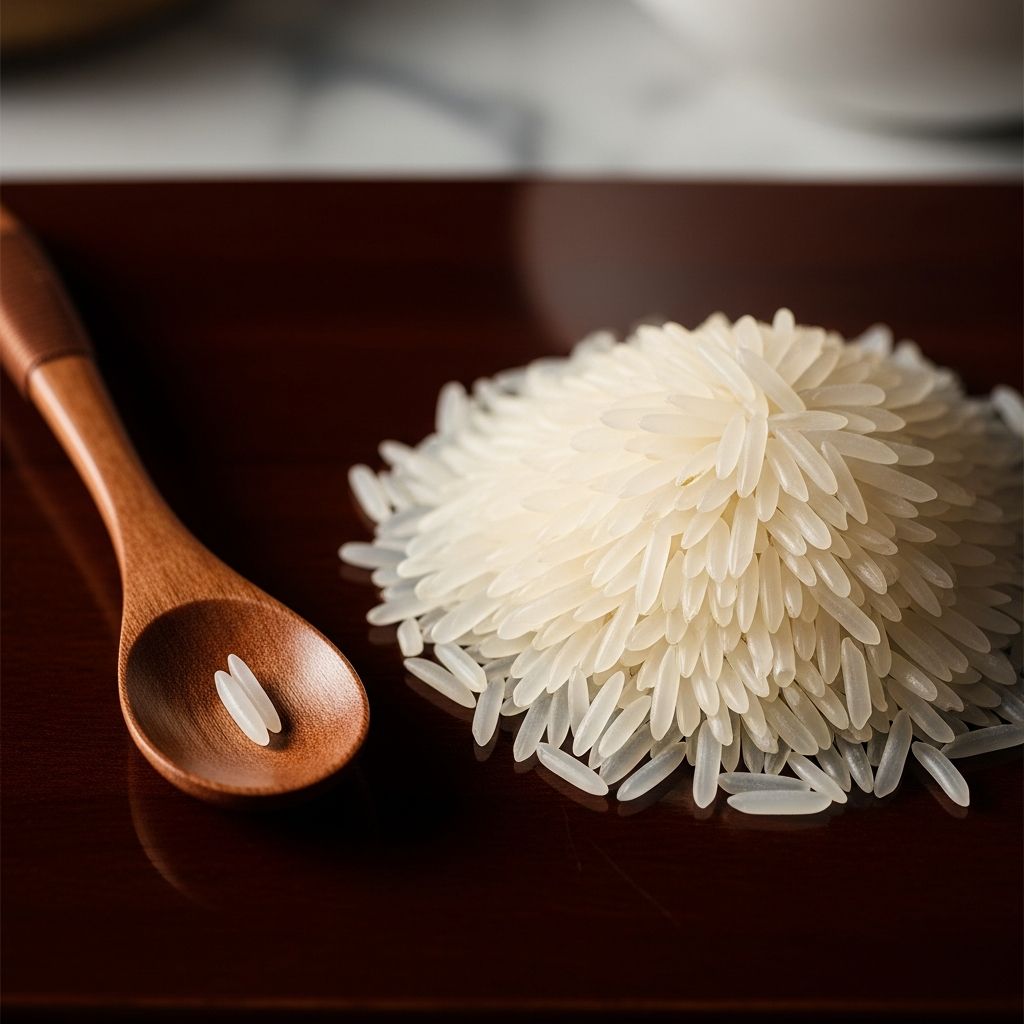
Rice holds a prominent place in kitchens worldwide as an affordable staple, but not all varieties come at dirt-cheap prices. While basic white rice costs just pennies per serving, premium options like basmati or wild rice can seem like luxuries. The key question for budget-conscious cooks: When is splurging on fancy rice worth it? This article breaks down the most common types by price, taste, nutrition, cooking time, and best uses to help you decide.
Author’s note: We’re focusing on rice types rather than branding, which can inflate prices without necessarily improving quality. Processing and sourcing matter more than a fancy label for taste and nutrition.
White Rice — 2-7 cents per ounce
This is the classic rice most people picture: polished white grains available in long-, medium-, and short-grain forms. In the U.S., it’s enriched with B vitamins and iron to compensate for nutrients lost during milling.
White rice starts as brown rice, but the nutrient-dense bran and germ layers are removed, leaving a refined grain that’s quicker to cook and longer-lasting on the shelf. Without enrichment, it lacks fiber and key vitamins, potentially leading to deficiencies in rice-heavy diets.
Taste: Mild and neutral with a fluffy, light texture when cooked properly. Its versatility shines as a base for stir-fries, curries, or casseroles.
Nutrition: Relies on enrichment for B vitamins and iron; low in fiber and natural nutrients compared to whole grains.
Cook time: 15-20 minutes, making it ideal for weeknight meals.
At 2-7 cents per ounce, white rice is unbeatable for everyday value, especially in large family portions or meal prep.
Brown Rice — 4-8 cents per ounce
Brown rice is essentially white rice with its bran and germ intact, retaining natural goodness. It comes in long-, medium-, and short-grain varieties, just like white.
Taste: Nuttier and chewier than white rice, offering a hearty, satisfying bite with distinct flavor that stands up in salads or bowls.
Nutrition: Packed with fiber, vitamins, minerals, protein, and even trace unsaturated fats—no enrichment needed. The bran layer slows digestion, promoting steady blood sugar and better satiety.
According to food science insights, brown rice varieties double the micronutrient content of white rice in categories like magnesium and phosphorus.
Cook time: 40-45 minutes due to the tougher bran, but worth it for health benefits.
For just a couple extra cents per ounce, brown rice upgrades nutrition without breaking the bank—perfect if you’re transitioning to healthier eating.
Jasmine Rice — 7-10 cents per ounce
Jasmine rice, a long-grain aromatic variety from Thailand and Southeast Asia, earns its name from the white jasmine flower’s color, not scent. Its fragrance evokes popcorn and pandan leaves.
Brown jasmine rice exists too, amplifying health perks while keeping the signature aroma.
Taste: Floral and subtly sweet, slightly sticky when cooked, ideal for Thai or Vietnamese dishes.
Nutrition: Similar to other white rices unless brown; higher glycemic index due to starchiness, but fresh harvests maximize quality.
Cook time: About 15-20 minutes, like white rice.
Priced at 7-10 cents per ounce, jasmine is a step up for fragrant Asian recipes, but everyday white rice suffices for neutral needs.
Basmati Rice — 13-30+ cents per ounce
Basmati, another long-grain aromatic rice from India and Pakistan, derives its name from Sanskrit for “fragrant one.” Its thin, tender grains command premium prices due to heirloom cultivation and global demand.
Taste: Nutty, floral aroma from 2AP compound, fluffy and non-sticky—distinct from jasmine’s subtle stickiness.
Nutrition: Lower glycemic index than many rices; brown basmati boosts fiber and nutrients significantly.
Cook time: 15-20 minutes after optional soaking for best texture.
At 13-30+ cents per ounce—often double jasmine—basmati shines in biryanis, pilafs, or curries where its unique elongation and scent elevate the dish. Skip it for basic sides.
Wild Rice — 43+ cents per ounce
Wild rice isn’t rice—it’s the seed of aquatic grass native to North America, with a chewy, dense profile unlike true rices.
Taste: Earthy, nutty, and toasty; perfect for pilafs, stuffings, or salads where it adds texture contrast.
Nutrition: Higher protein (about 6g per cup cooked), fewer carbs and calories (166 vs. 200 per cup for others), plus antioxidants and minerals.
Cook time: 45-60 minutes, often mixed with other rices to cut time and cost.
At 43+ cents per ounce, reserve wild rice for special occasions or as a nutrient boost in small quantities.
Matching Rice to Dishes: Why Type Matters
Not all rices are interchangeable. Grain length dictates texture:
- Short-grain: Sticky for sushi or rice balls.
- Medium-grain: Creamy for risotto or paella.
- Long-grain: Fluffy for stir-fries, curries, or pilafs.
Aromatic rices like jasmine and basmati excel in ethnic cuisines: jasmine for Thai curries, basmati for Indian biryanis.
| Rice Type | Best For | Price/Oz |
|---|---|---|
| White | Versatile base | 2-7¢ |
| Brown | Health bowls | 4-8¢ |
| Jasmine | Thai dishes | 7-10¢ |
| Basmati | Indian pilafs | 13-30¢ |
| Wild | Salads/pilafs | 43¢+ |
Cost vs. Benefit: Smart Splurge Tips
Over 40,000 rice varieties exist globally, but stick to needs. Opt for brown versions of favorites—they match white prices but add nutrition.
Buy in bulk at ethnic stores for deals on jasmine/basmati. Splurge when aroma/texture transforms the dish; otherwise, save with basics.
Frequently Asked Questions (FAQs)
Is brown rice always healthier than white?
Yes, due to intact bran/germ providing fiber, vitamins, and slower digestion—nearly double micronutrients.
What’s the difference between jasmine and basmati?
Jasmine is stickier/sweeter (Thai), basmati fluffier/nuttier (Indian), with basmati costing more.
Is wild rice worth the high price?
For nutrition and unique taste in pilafs, yes—in moderation.
How do I save money on fancy rice?
Choose brown basics, buy bulk/ethnic stores, use aromatics only for specific recipes.
Which rice cooks fastest?
White, jasmine, basmati: 15-20 min; brown/wild longer.
Your Turn: What’s your go-to rice variety? Share in comments!
References
- Here’s When It’s Worth It to Buy That Super-Expensive Rice — The Penny Hoarder. 2023. https://www.thepennyhoarder.com/save-money/are-fancy-types-of-rice-worth-it/
- Basmati Rice vs. Jasmine Rice: What’s the Difference? — The Forked Spoon. 2023. https://theforkedspoon.com/basmati-rice-vs-jasmine-rice/
- With 40,000 varieties, rice works in nearly any dish — Our Midland. 2024-10-17. https://www.ourmidland.com/news/article/40-000-varieties-rice-works-nearly-dish-19854416.php
- USDA National Nutrient Database for Standard Reference (Legacy Release) — United States Department of Agriculture. 2018. https://www.ars.usda.gov/northeast-area/beltsville-md-bhnrc/beltsville-human-nutrition-research-center/methods-and-application-of-food-composition-laboratory/mafcl-site-pages/nutrient-data-lab/
- Shop at Ethnic Grocery Stores for Good Deals and Fresh Food — The Penny Hoarder. 2023. https://www.thepennyhoarder.com/save-money/ethnic-grocery-store/
Similar Articles








Read full bio of Sneha Tete