Are Electronic Fund Transfers Safe?
Discover the security of EFTs, legal protections, common risks, and proven strategies to safeguard your digital transactions effectively.

Electronic fund transfers (EFTs) have revolutionized how individuals and businesses move money, enabling instant transactions via ATMs, debit cards, direct deposits, and online banking platforms. While these methods provide speed and efficiency over traditional checks, concerns about safety persist amid rising cyber threats. This article examines the robustness of EFT security, drawing from federal regulations and expert guidelines to assess risks and protections.
Understanding Electronic Fund Transfers
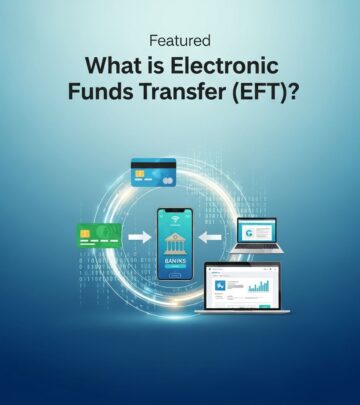
EFTs encompass a broad range of digital money movements, including automated clearinghouse (ACH) payments, point-of-sale (POS) debits, ATM withdrawals, and telephone-initiated transfers. Unlike paper checks, which can take days to process, EFTs often settle in real-time or within one business day, reducing delays but introducing unique vulnerabilities since actual funds are debited immediately.
Key types of EFTs include:
- Direct deposits: Payroll or government benefits credited automatically to accounts.
- Debit card transactions: Purchases at merchants or online.
- ACH transfers: Bill payments or peer-to-peer (P2P) sends via apps like Zelle.
- ATM and POS transfers: Cash withdrawals or in-store payments.
These mechanisms rely on electronic terminals, computers, or magnetic tapes to instruct financial institutions, making them integral to modern finance.
Federal Safeguards for EFT Users
The cornerstone of EFT protection is the Electronic Fund Transfer Act (EFTA) of 1978, codified at 15 U.S.C. § 1693 et seq., which mandates disclosures, error resolution, and liability limits for consumers. Implementing Regulation E (12 CFR Part 1005) from the Consumer Financial Protection Bureau (CFPB) defines unauthorized EFTs as transfers initiated by someone other than the consumer without authority, excluding those where the consumer benefits.
Under Regulation E, protections cover:
| Covered Transactions | Examples |
|---|---|
| Terminal-initiated transfers | ATMs, POS debits |
| Direct deposits/withdrawals | Payroll, bills |
| Debit card uses | Online shopping, P2P |
| Telephone transfers under plans | Recurring payments |
Exclusions include wire transfers via Fedwire, checks, and automatic institutional transfers. Notably, even P2P credit-push transfers become unauthorized if credentials are stolen via breaches or phishing.
Consumer Liability Limits in Fraud Cases
EFTA significantly caps losses from unauthorized EFTs, incentivizing prompt reporting. If notified within two business days of an unauthorized transfer, liability is limited to $50. Between two days and 60 days, it rises to $500 maximum. Beyond 60 days, consumers may bear full losses, underscoring the need for vigilance.
Financial institutions must investigate errors within 10 business days and provisionally credit accounts within three if resolution exceeds 45 days (20 for some accounts). No commercial agreements can waive these rights, ensuring consumer priority over interbank rules.
Built-in Security Features of EFT Systems
Modern EFT platforms incorporate robust defenses. Data encryption scrambles sensitive information during transmission, while identity verification employs multi-factor authentication (MFA), security questions, and confirmation notifications. Fraud detection algorithms monitor for anomalies, triggering alerts or holds.
Financial institutions follow Federal Financial Institutions Examination Council (FFIEC) guidelines, including strong authentication for online banking. NACHA rules for ACH mandate dual controls, unique logins, and antivirus protections to secure sensitive data.
Common Threats to EFT Security
Despite safeguards, EFTs face sophisticated attacks:
- Phishing and social engineering: Scammers trick users into revealing login details or confirmation codes, enabling unauthorized transfers.
- Data breaches: Stolen credentials from hacks lead to fraudulent P2P pushes.
- Malware and keyloggers: Infect devices to capture banking info during logins.
- Account takeover: Fraudsters use stolen access for direct debits.
Wire transfers, often excluded from EFTA, fall under Uniform Commercial Code Article 4A, relying on security procedures rather than consumer liability caps.
Proactive Steps to Secure Your EFTs
Consumers and businesses can minimize risks through disciplined practices:
- Monitor statements daily: Review transactions via apps or online portals; report discrepancies immediately.
- Use strong, unique passwords: Enable MFA and avoid sharing credentials.
- Verify recipients: Confirm payee details before authorizing transfers.
- Sign up for alerts: Receive real-time SMS or email notifications for activity.
- Secure devices: Install firewalls, antivirus, and update software regularly.
For businesses, implement dual authorization for high-value transfers and audit trails for all instructions.
Comparing EFTs to Other Payment Methods
EFTs offer superior speed to checks but less reversibility than credit cards, where issuers absorb fraud under Fair Credit Billing Act. Debit/EFT errors require consumer action for reimbursement, with real funds at stake.
| Method | Speed | Fraud Protection | Reversibility |
|---|---|---|---|
| EFT/Debit | Instant to 1 day | $50-$500 liability cap | Limited, via dispute |
| Credit Card | Instant auth | $0 liability typically | Easy chargeback |
| Check | 2-5 days | Varies by bank | Stop payment possible |
| Wire | Same day | Minimal consumer protection | Irrevocable often |
Institutional Responsibilities and Best Practices
Banks must maintain separation of duties for incoming transfers, authenticate non-secure instructions, and ensure backup systems for disruptions. Contingency plans cover equipment failures and data recovery, with record retention for audits.
Regulators like FDIC emphasize risk assessments, exception reporting, and customer education to fortify EFT ecosystems.
Real-World Implications and Case Insights
Fraudsters exploit urgency in P2P scams, but Regulation E classifies these as unauthorized if induced fraudulently. Institutions cannot shift blame via private rules; EFTA prevails. Recent updates affirm protections against evolving threats like vishing (voice phishing).
Frequently Asked Questions (FAQs)
What counts as an unauthorized EFT?
Any transfer from your account by an unauthorized party, including those via stolen credentials from phishing or hacks, without your benefit.
Am I liable if I share my login info accidentally?
No, if fraudulently induced, it’s still unauthorized under Regulation E.
How quickly must I report fraud?
Within 2 days for $50 max liability; up to 60 days for $500.
Do wires have the same protections?
No, they often follow UCC Article 4A, with less consumer recourse.
Can businesses get EFTA protections?
Primarily for consumers; businesses rely on agreements and internal controls.
EFTs balance convenience with regulated security, but user diligence remains paramount. By leveraging EFTA, adopting tech defenses, and staying alert, you can confidently navigate digital payments.
References
- Are Electronic Fund Transfers Safe? — GoCardless. 2023 (approx., based on content). https://gocardless.com/en-us/guides/posts/are-electronic-fund-transfers-safe/
- Are EFT Payments Safe? — Experian. 2023 (approx.). https://www.experian.com/blogs/ask-experian/are-electronic-fund-transfers-safe/
- Electronic Fund Transfers FAQs — Consumer Financial Protection Bureau (CFPB). 2021-12-13. https://www.consumerfinance.gov/compliance/compliance-resources/deposit-accounts-resources/electronic-fund-transfers/electronic-fund-transfers-faqs/
- Best Practices for Online Banking and Electronic Fund Transfers — Meridian Bank (PDF). 2019-07. https://www.meridianbanker.com/wp-content/uploads/2020/07/Best_Practices_Protecting_Your_Business_2019.docx.pdf
- Electronic Funds Transfer (EFT) and Regulation E — National Credit Union Administration (NCUA). 2023 (ongoing). https://ncua.gov/regulation-supervision/manuals-guides/federal-consumer-financial-protection-guide/deposit-related-regulations-and-statutes/electronic-fund-transfer-act-regulation-e
- Financial Institutions Face New Risks Around Online Wire Transfers — Adams and Reese. 2023 (approx.). https://www.adamsandreese.com/insights/financial-institutions-face-new-risks-around-online-wire-transfers
- Electronic Funds Transfer Risk Assessment Core — Federal Deposit Insurance Corporation (FDIC) (PDF). 2023 (manual). https://www.fdic.gov/resources/supervision-and-examinations/examination-policies-manual/section22-1/sc-eft.pdf
Similar Articles








Read full bio of medha deb