Are Annuities Safe Investments?
Explore the safety of annuities as retirement investments, weighing their guarantees against potential pitfalls and key risks involved.

Annuities provide a structured way to generate steady retirement income through insurance contracts, often featuring principal protection and market insulation not found in stocks or bonds. While generally low-risk compared to volatile markets, their safety hinges on product type, issuer strength, and personal financial circumstances.
Understanding Annuities as Financial Tools
Annuities are contracts issued by insurance companies where you pay premiums in exchange for future payments, typically in retirement. They defer taxes on growth and can lock in rates immune to stock fluctuations. Fixed annuities credit a guaranteed interest rate, shielding your money from downturns since the insurer absorbs investment volatility.
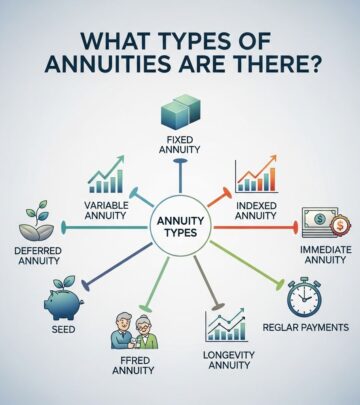
Variable annuities tie returns to investment subaccounts, exposing you to market ups and downs, though optional riders may offer minimum income floors. Indexed annuities link gains to a market index like the S&P 500, capping upside but protecting against losses. These distinctions make annuities versatile yet require matching to your risk tolerance.
Core Benefits Driving Annuity Appeal
- Principal Safeguards: In fixed products, your initial investment remains intact, plus earned interest, regardless of insurer portfolio performance.
- Lifetime Income Security: Annuitization converts savings into payments lasting your life or a joint life with a spouse, countering longevity risk—the fear of outliving assets.
- Tax Advantages: Earnings grow tax-deferred until withdrawal, potentially at lower retirement rates.
- Death Benefits: Many include options ensuring beneficiaries receive premiums minus withdrawals if you pass early.
These features position annuities as stabilizers in diversified portfolios, especially for conservative retirees prioritizing predictability over growth.
Comparing Annuities to Traditional Investments
Annuities stand apart as insurance rather than securities, avoiding direct market exposure in most cases. The table below highlights key differences:
| Feature | Annuities (Fixed) | Stocks | Bonds |
|---|---|---|---|
| Principal Protection | Yes | No | Typically Yes (to maturity) |
| Market Risk Exposure | Low/None | High | Moderate (interest rate risk) |
| Lifetime Income Option | Yes | No | No |
| Liquidity | Limited (surrender periods) | High | Moderate |
Stocks excel in long-term appreciation but crash during recessions; bonds yield steady interest but face inflation and rate risks. Annuities uniquely blend safety with perpetual payouts.
Potential Drawbacks and Hidden Risks
Despite protections, annuities carry caveats. Surrender charges—penalties for early access—can reach 10% or more, eroding liquidity for 5-10 years. Inflation may outpace fixed payments, reducing purchasing power over decades.
Issuer insolvency poses a threat, though rare for strong firms. State guaranty associations cover losses up to limits (e.g., $250,000-$500,000 per contract), but exceeding this means partial recovery. Variable annuities amplify risk via subaccount losses and high fees (1-3% annually), potentially underperforming.
Timing matters: Locking a low rate before hikes means missed opportunities. Premature death might forfeit remaining value unless riders apply, and opportunity cost arises from tying up funds versus higher-yield alternatives.
Types of Annuities and Their Safety Profiles
Fixed Annuities: Safest bet with declared rates (e.g., 3-5%) and no market linkage. Premiums fund insurer bonds, guaranteeing returns.
Fixed Indexed Annuities: Balance growth potential with 0% floor protection. Caps limit gains (e.g., 5-10%), but downside is nil.
Variable Annuities: Higher risk mirroring mutual funds. Fees and volatility demand tolerance for swings; riders mitigate but cost extra.
Immediate vs. Deferred: Immediate start payouts soon after purchase for urgent needs; deferred accumulate value first, suiting younger savers.
Strategies to Maximize Annuity Safety
- Vet Insurer Ratings: Prioritize A.M. Best (A+ or better), S&P, or Moody’s top grades for solvency confidence.
- Diversify Holdings: Spread across issuers and asset classes; avoid over-allocating retirement funds to one product.
- Align with Needs: Match surrender periods to timelines; opt for no-penalty options or laddering for access.
- Review Riders: Add living/death benefits or inflation adjustments, weighing fees against value.
- Consult Advisors: Fee-only professionals decode contracts, ensuring fit without commission bias.
Free-look periods (10-30 days) allow contract cancellation with full refund—use them to scrutinize terms.
Regulatory Protections and Real-World Performance
State insurance departments oversee sales and solvency, mandating disclosures. NAIC model laws standardize protections. Historically, major insurers rarely fail; post-2008, none caused widespread annuity losses.
During 2022’s market drop, fixed annuities preserved value while stocks fell 20%+. Longevity hedging benefits insurers via pooled mortality, stabilizing payouts.
Who Benefits Most from Annuities?
Ideal for risk-averse individuals nearing retirement, seeking to hedge longevity or sequence-of-returns risk. Less suitable for young accumulators needing liquidity or growth. Pair with Social Security and IRAs for balanced streams.
Frequently Asked Questions
Are annuities FDIC-insured?
No, as insurance products, they’re backed by state guaranty funds, not FDIC. Check your state’s limits.
Can you lose principal in an annuity?
Not in fixed types barring early withdrawal fees. Variable may dip via investments.
Are annuities good for retirement?
Yes, for income certainty, but diversify and shop rates.
How to avoid annuity pitfalls?
Select strong issuers, understand fees, and ladder maturities.
Do annuities protect against inflation?
Basic fixed don’t; seek COLA riders for adjustments.
Annuities enhance retirement security when chosen wisely, offering rare guarantees amid uncertainty. Assess personally via tools like rate comparisons and advisor input.
References
- Are Annuities Safe Investments? — Annuity.org. 2023. https://www.annuity.org/annuities/are-annuities-safe/
- Fixed Annuities: Pros, Cons and Benefits To Consider — Thrivent. 2024. https://www.thrivent.com/insights/annuities/fixed-annuities-risks-benefits-to-consider
- Are Annuities Safe? An Industry Expert Explains the Risks — Kiplinger. 2023-10-15. https://www.kiplinger.com/retirement/annuities/are-annuities-safe
- Annuities Explained: Understanding Their Role, Benefits, and Risks — Insight2Wealth. 2024. https://insight2wealth.com/blog/annuities-explained-understanding-their-role-benefits-and-risks/
- Can You Lose Your Money in an Annuity? Key Considerations — Farther. 2024. https://www.farther.com/foundations/can-you-lose-your-money-in-an-annuity-key-considerations
- A Look at Different Annuities & the Annuity Risks — John Stevenson. 2023. https://johnstevenson.com/annuity-risks/
- Risk of Annuities: 5 Common Risks and How To Manage Them — Lewis Ellis. 2024. https://lewisellis.com/industries/life-insurance-annuities/risk-of-annuities-5-common-risks-and-how-to-manage-them/
Similar Articles








Read full bio of Sneha Tete