Appraiser: Definition, Role, and Real Estate Valuation
Understand what appraisers do, how they determine property values, and why they matter.

Understanding Appraisers and Property Valuation
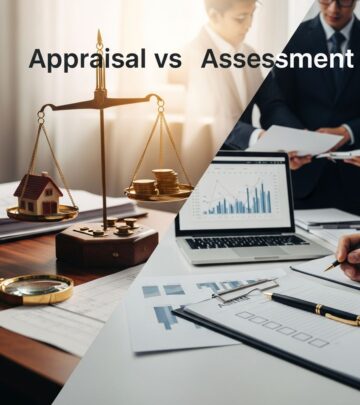
An appraiser is a licensed professional who evaluates the value of real property, typically residential or commercial buildings, land, and other fixed assets. Appraisers play a crucial role in the real estate industry by providing objective, third-party assessments of property values. These evaluations are essential for various stakeholders, including buyers, sellers, lenders, and investors. The appraisal process involves conducting thorough inspections, analyzing comparable properties, and applying recognized valuation methodologies to determine fair market value.
The primary purpose of an appraisal is to establish an unbiased estimate of what a property is worth in the current market. This valuation serves as a critical reference point for mortgage lenders, who use appraisals to ensure that the loan amount does not exceed the property’s actual value. Without reliable appraisals, the real estate market would face significant risks, as lenders and investors would lack the confidence necessary to make informed financial decisions.
Definition and Purpose of an Appraiser
An appraiser is defined as an independent, licensed professional who estimates the monetary value of real property based on comprehensive analysis and market research. The appraiser’s primary role is to provide an objective, unbiased assessment that reflects the property’s true market value at a specific point in time.
The purposes of appraisals include:
- Mortgage Lending: Lenders require appraisals to verify that the property serves as adequate collateral for the loan amount requested by the borrower.
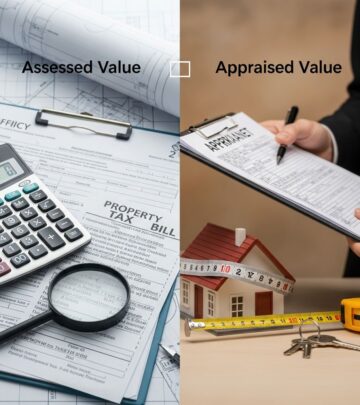
- Property Taxation: Local governments use appraisals to assess property taxes fairly and equitably across their jurisdictions.
- Insurance Purposes: Insurers may request appraisals to determine appropriate coverage levels for property insurance policies.
- Legal Disputes: Appraisals serve as evidence in property disputes, divorce settlements, and eminent domain proceedings.
- Investment Analysis: Real estate investors rely on appraisals to evaluate potential investment opportunities and determine expected returns.
- Estate Planning: Appraisals help determine the value of properties included in estates for inheritance and tax purposes.
Qualifications and Licensing Requirements
Becoming a licensed appraiser requires meeting stringent educational, training, and credentialing requirements that vary by state and country. In the United States, the appraisal profession is regulated by state governments, with each state establishing its own licensing standards and continuing education requirements.
Educational Requirements
Prospective appraisers must complete formal education in real estate principles, property valuation, and appraisal methodology. These educational programs cover topics such as:
- Real estate law and regulations
- Property inspection techniques
- Market analysis and comparative research
- Valuation approaches and methodologies
- Professional ethics and standards
- Statistical analysis and data interpretation
Licensing Levels
The United States recognizes four primary levels of appraiser licensing:
- Trainee Appraiser: Entry-level designation requiring supervised experience under a licensed appraiser.
- Licensed Residential Appraiser: Qualified to appraise residential properties with up to four units.
- Certified Residential Appraiser: Meets higher education and experience standards; can appraise residential properties without supervision.
- Certified General Appraiser: Highest credential; qualified to appraise any type of property, including commercial and industrial real estate.
Experience and Examination
All appraiser candidates must complete a specified number of supervised appraisal hours (typically ranging from 750 to 2,000 hours depending on the level sought) and pass comprehensive state examinations. Additionally, appraisers must adhere to the Uniform Standards of Professional Appraisal Practice (USPAP), which establishes ethical standards and professional expectations for the industry.
The Appraisal Process
The appraisal process is a systematic approach to determining property value. While specific procedures may vary based on the property type and client requirements, the general process follows these steps:
Step 1: Property Inspection
The appraiser conducts a thorough on-site inspection of the subject property, examining both interior and exterior features. The inspection includes evaluating structural integrity, mechanical systems, roof condition, flooring, walls, and any other elements that affect property value. The appraiser photographs the property and takes measurements to document its condition and characteristics.
Step 2: Comparable Property Research
The appraiser researches comparable properties (“comps”) that have recently sold in the same geographic area. These comparable properties should have similar characteristics such as size, condition, age, and location. The appraiser analyzes sales data to understand market trends and price variations based on property features and conditions.
Step 3: Market Analysis
A comprehensive market analysis examines local economic conditions, supply and demand dynamics, interest rates, and other factors influencing property values. The appraiser evaluates whether the market is a buyer’s market, seller’s market, or balanced market, as this affects property valuations.
Step 4: Valuation Approach Application
Appraisers apply one or more recognized valuation approaches to estimate property value. These approaches are discussed in detail in the following section.
Step 5: Report Preparation
The appraiser documents findings in a detailed appraisal report that includes property descriptions, inspection findings, comparable sales analysis, valuation methodology, and the final estimated value. The report must comply with USPAP standards and provide sufficient detail to support the conclusions.
Valuation Approaches and Methodologies
Professional appraisers employ three primary valuation approaches, each suited to different property types and market conditions:
The Sales Comparison Approach
The sales comparison approach, also known as the market approach, compares the subject property to recently sold comparable properties. The appraiser adjusts comparable property sale prices based on differences in features, location, and market conditions to derive an estimated value for the subject property. This approach is particularly effective for residential properties where comparable sales data is readily available.
The Cost Approach
The cost approach estimates property value by calculating the cost to replace the improvements (buildings and structures) plus the land value, then subtracting any accrued depreciation. This approach considers what it would cost to rebuild the structure from scratch, accounting for physical deterioration, functional obsolescence, and external market factors. The cost approach is often used for new construction or specialized properties where comparable sales are limited.
The Income Approach
The income approach estimates property value based on the income the property generates, typically applied to investment properties such as apartment buildings, office complexes, and commercial properties. The appraiser analyzes rental income, operating expenses, vacancy rates, and capitalization rates to determine value. This approach is essential for evaluating income-producing properties where investment potential drives market value.
Factors Affecting Property Valuation
Numerous factors influence how appraisers determine property values. Understanding these factors helps stakeholders recognize why appraisals may vary:
- Location and Neighborhood: Proximity to schools, employment centers, transportation, and amenities significantly impacts value. Crime rates, school quality, and neighborhood desirability also play important roles.
- Property Condition: The physical condition of structures, age of major systems (roof, HVAC, plumbing), and required repairs directly affect valuation.
- Property Size and Features: Square footage, number of rooms, lot size, and special features (pools, garages, fireplaces) influence value.
- Market Conditions: Interest rates, unemployment rates, inventory levels, and buyer demand create market dynamics affecting valuations.
- Comparable Sales Data: The availability and characteristics of recent comparable sales provide crucial benchmarks for valuation.
- Economic Trends: Local economic growth, employment opportunities, and development plans influence long-term property values.
- Zoning and Land Use: Zoning restrictions and permitted land uses affect property potential and value.
Why Appraisals Matter in Real Estate Transactions
Appraisals serve as a critical safeguard in real estate transactions, protecting multiple parties’ interests. When a buyer seeks mortgage financing, the lender requires an appraisal to ensure the property value supports the loan amount. If the appraisal value comes in lower than the purchase price, the buyer may need to increase their down payment, renegotiate the price, or abandon the transaction.
For sellers, appraisals validate asking prices and provide leverage during negotiations. For investors, accurate appraisals help determine whether investment opportunities meet return requirements. Additionally, appraisals protect the broader financial system by preventing excessive lending on overvalued properties, thereby reducing default risk and promoting market stability.
Appraiser Independence and Ethics
Professional appraisers must maintain strict independence and objectivity throughout the valuation process. The Appraisal Standards Board (ASB) and state regulators enforce ethical standards requiring appraisers to:
- Avoid conflicts of interest that could bias their valuations
- Refuse assignments where relationships or financial interests compromise objectivity
- Base conclusions solely on supported, factual analysis
- Disclose any limitations in their appraisals
- Maintain professional competence through continuing education
- Protect client confidentiality while upholding public interest
Appraisal vs. Home Inspection
Many people confuse appraisals with home inspections, but these are distinct services with different purposes:
| Aspect | Appraisal | Home Inspection |
|---|---|---|
| Purpose | Determine fair market value | Assess structural and mechanical condition |
| Performed By | Licensed appraiser | Home inspector |
| Focus | Valuation and market analysis | Property condition and defects |
| Report Type | Formal appraisal report | Inspection report with findings |
| Primary Use | Lender requirement for financing | Buyer protection and negotiation |
Frequently Asked Questions (FAQs)
Q: How long does an appraisal typically take?
A: Most residential appraisals take 3-7 business days from inspection to completed report. The timeline depends on property complexity, market data availability, and appraiser workload. Appraisers must conduct thorough research and analysis, which cannot be rushed without compromising accuracy.
Q: Can a buyer request a second appraisal if they disagree with the initial value?
A: Yes, buyers can typically request a second appraisal or appeal the original appraisal, particularly if they believe errors were made. However, lenders have final authority on accepting alternative appraisals. The cost of a second appraisal usually falls on the buyer requesting it.
Q: What happens if the appraisal comes in below the purchase price?
A: When an appraisal falls below the agreed purchase price, the buyer can renegotiate the price, increase their down payment to cover the difference, or withdraw from the transaction if financing contingencies permit. Sellers may also reduce their asking price to justify the appraisal value.
Q: How often should a property be reappraised?
A: Appraisals conducted for mortgage purposes are typically valid for six months to one year. Properties may be reappraised when refinancing, upon significant renovations, or for tax assessment purposes. Market conditions and property changes may necessitate updated appraisals.
Q: Are online appraisals or Zestimates as reliable as professional appraisals?
A: Online estimates and automated valuation models (AVMs) provide rough approximations but cannot replace professional appraisals. These tools lack the detailed property inspection, nuanced market analysis, and professional judgment that licensed appraisers provide. Lenders require formal appraisals for mortgage decisions.
Q: What qualifications should I verify in an appraiser?
A: Verify that the appraiser holds current state licensing (Certified Residential or Certified General), maintains active USPAP certification, carries errors and omissions insurance, and has experience with property types similar to yours. Check their licensing status through your state’s regulatory board.
References
- Appraisal Foundation – Uniform Standards of Professional Appraisal Practice (USPAP) — The Appraisal Foundation. 2024. https://www.appraisalfoundation.org/uspap
- State Appraiser Board Regulatory Requirements — Association of Real Estate Appraisers. 2024. https://www.areaappraisers.org/licensure-requirements
- Real Property Appraisal Standards and Guidelines — American Society of Appraisers. 2024. https://www.appraisers.org/professional-standards
- Federal Reserve System: Understanding Home Appraisals — Board of Governors of the Federal Reserve System. 2024. https://www.federalreserve.gov/consumerinfo/appraisals.htm
- National Association of Realtors – Market Research and Statistics — National Association of Realtors. 2024. https://www.nar.realtor/research-and-statistics
Similar Articles








Read full bio of Sneha Tete