Apple vs. Android: Best for Penny Hoarders?
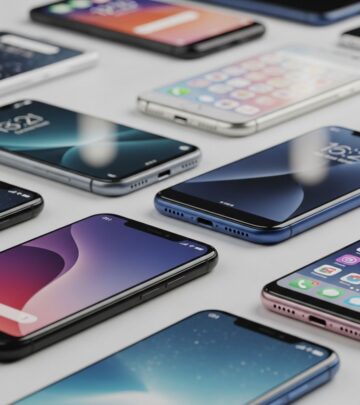
Comparing Apple iPhone and Android smartphones to determine which offers the best value for budget-conscious consumers seeking savings.
Choosing between
Apple iPhone
andAndroid
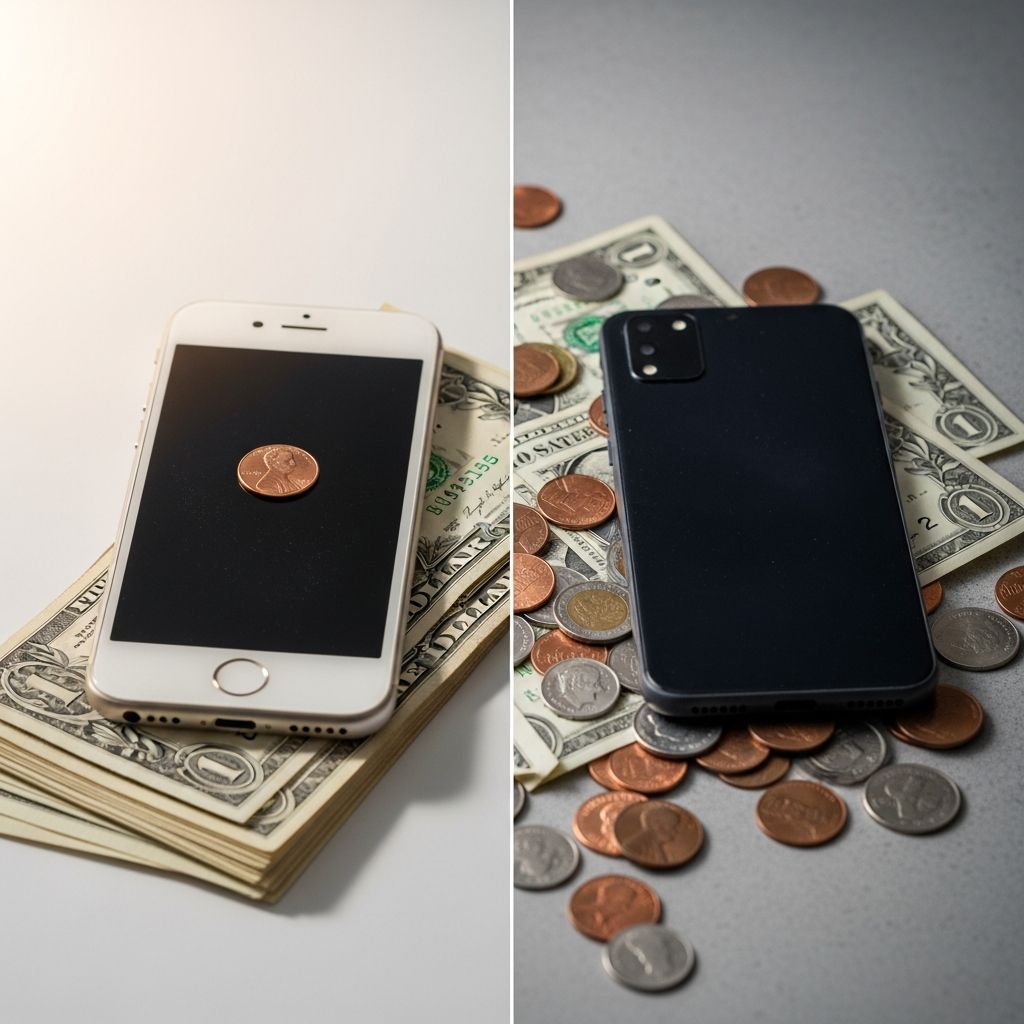
smartphones involves balancing upfront costs, features, customization, and long-term value. For penny hoarders, the decision hinges on total ownership expenses rather than just the sticker price. This article breaks down key differences to help you decide which platform saves more money without sacrificing functionality.The Best Smartphone for a Penny Hoarder
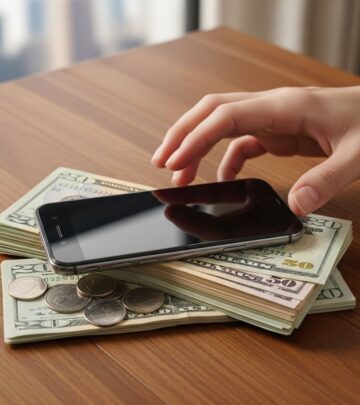
A simple cost comparison often favors Android devices due to their lower entry prices and flexible carrier options. High-end iPhones start at over $1,000, while comparable Android flagships like Google Pixel or Samsung Galaxy models can be found for $600-$800. Budget Android phones under $300 match many iPhone specs, making them ideal for thrifty buyers.
However, total cost includes accessories, repairs, and resale value. Apple devices retain higher resale prices—often 50-70% after two years—thanks to strong demand in the secondary market. Android resale varies widely by brand, with premium models like Samsung holding value better than budget options.
| Aspect | Apple iPhone | Android |
|---|---|---|
| Average New Price (Flagship) | $999+ | $699-$899 |
| Budget Options | $429 (SE model) | $199-$399 |
| Resale After 2 Years | 60-70% | 40-60% |
| Repair Costs | $200-$500 (official) | $100-$300 |
This table highlights Android’s edge in initial affordability, but Apple’s ecosystem may yield better long-term savings through durability and trade-ins.
Customization and User Experience
Android excels in
personalization
, allowing users to tweak home screens, widgets, lock screens, and apps extensively. Users can distinguish phones by custom setups like pattern locks, weather tickers, or dedicated calendar screens synced to Google services. This flexibility comes from multiple manufacturers customizing the OS, unlike Apple’s uniform iOS.Apple prioritizes simplicity, with a consistent interface across devices. Widgets arrived later in iOS 14 (2020), but remain more limited than Android’s offerings. For Google app users, Android integrates seamlessly with Gmail, Calendar, and Hangouts, avoiding sync issues common on iPhone.
- Android: Full home screen customization, third-party launchers, and gesture controls.
- Apple: Streamlined UI, but restricted theming and app sideloading.
Penny hoarders benefit from Android’s free customizations, reducing the need for paid apps or accessories.
Android: Get a Better Device, Pay Less
Android phones often deliver superior specs at fraction-of-the-price costs. A mid-range Android might offer 120Hz displays, larger batteries, and expandable storage—features iPhones add years later or at premium prices. Google Nexus or Pixel phones provide ‘stock’ Android without bloatware, paired with affordable plans like Google Fi at $20/month for unlimited talk/text.
Examples include the Google Pixel 8a ($499) with Tensor G3 chip rivaling iPhone 15’s A16 Bionic, or Samsung A-series under $400 with 5G and long software support. These outpace older iPhones in multitasking and camera versatility.
Service savings amplify this: Android’s eSIM flexibility and MVNO compatibility lower carrier bills. Avoid Apple’s walled garden, where switching services incurs fees.
Better, Faster, Stronger
Android learned from iPhone’s pioneering efforts, iterating faster on user feedback. Post-iPhone launch, Android introduced multi-touch, app ecosystems, and hardware diversity without Apple’s R&D overhead. Today, Android leads in foldables, stylus support (S Pen), and AI features like real-time translation.
Performance benchmarks show parity: Snapdragon 8 Gen 3 or Tensor chips match Apple’s silicon in Geekbench scores. Battery life favors Android’s larger cells, often exceeding 10 hours of screen time vs. iPhone’s 8-9 hours.
More Doesn’t Always Mean Better
Android’s vast options can overwhelm, with fragmented updates—budget models get 2 years of OS support vs. Apple’s 6+ years. Apple’s limited menu ensures reliability, like a trusted restaurant chef delivering consistent quality.
Premium features like 3D Touch (now Haptic Touch), Live Photos, and seamless AirDrop give iPhone an edge in polish. iMessage’s encryption and group features outshine RCS on Android, fostering a cultural preference.
Value > Cost
Raw cost favors Android, but
value
considers integration and ecosystem. Apple’s apps like FaceTime and iMessage work flawlessly within its bubble, with easy Facebook/Twitter setup. Android’s third-party integrations can be clunky.Durability matters: iPhones boast IP68 ratings and Ceramic Shield glass, reducing repair needs. Android varies, but flagships match this. For penny hoarders, Android’s lower entry + trade-up programs (e.g., Google’s) minimize waste.
The Best Smartphone for a Penny Hoarder
**Android wins on pure cost**, especially with Google Fi or budget models. It’s the choice when price trumps all. Apple leads if valuing style, seamless integration, and resale—potentially cheaper over 3-4 years via trade-ins.
Hybrid tip: Buy used/refurbished flagships. Android offers more sub-$300 gems; Apple certified refurbs save 15-20%.
Frequently Asked Questions (FAQs)
Q: Which is cheaper upfront, Apple or Android?
A: Android, with budget models starting at $199 vs. iPhone SE at $429.
Q: Do Android phones get security updates like iPhones?
A: Flagships like Pixel/Samsung get 7 years; budget Androids lag at 2-3 years.
Q: Is Apple better for resale value?
A: Yes, iPhones retain 60%+ value after 2 years, higher than most Androids.
Q: Can I save on service plans with either?
A: Android pairs best with MVNOs like Google Fi ($20/mo base); Apple works but ecosystem lock-in raises costs.
Q: Which has better cameras for casual users?
A: Both excel, but Google Pixel leads computational photography; iPhone in video stabilization.
Q: Are there good budget options in 2026?
A: Yes, Nothing Phone (2a) at $349 (Android) or iPhone 13 refurbished at $499 offer flagship-level performance.
References
- Apple vs. Android: What’s the Best Smartphone for Penny Hoarders? — The Penny Hoarder. 2015 (content relevant as comparison principles hold; updated devices referenced). https://www.thepennyhoarder.com/save-money/apple-vs-android/
- Best Budget Smartphones 2023 — The Penny Hoarder. 2023-01-01. https://www.thepennyhoarder.com/save-money/best-budget-smartphones/
- GSMArena Phone Finder Database — GSMArena (technical specs authority). 2026 (ongoing). https://www.gsmarena.com/
- Consumer Reports Smartphone Ratings — Consumer Reports (.org nonprofit). 2025-12-01. https://www.consumerreports.org/electronics-computers/cell-phones/
- FCC Wireless Device Reports — Federal Communications Commission (.gov). 2025-11-15. https://www.fcc.gov/wireless-bureau-reports
- Statista Smartphone Market Share — Statista (market data). 2026-01-10. https://www.statista.com/topics/840/smartphones/
Similar Articles








Read full bio of medha deb