Apartment vs House Rental: Making the Right Choice
Compare costs, space, and lifestyle factors to find your ideal rental
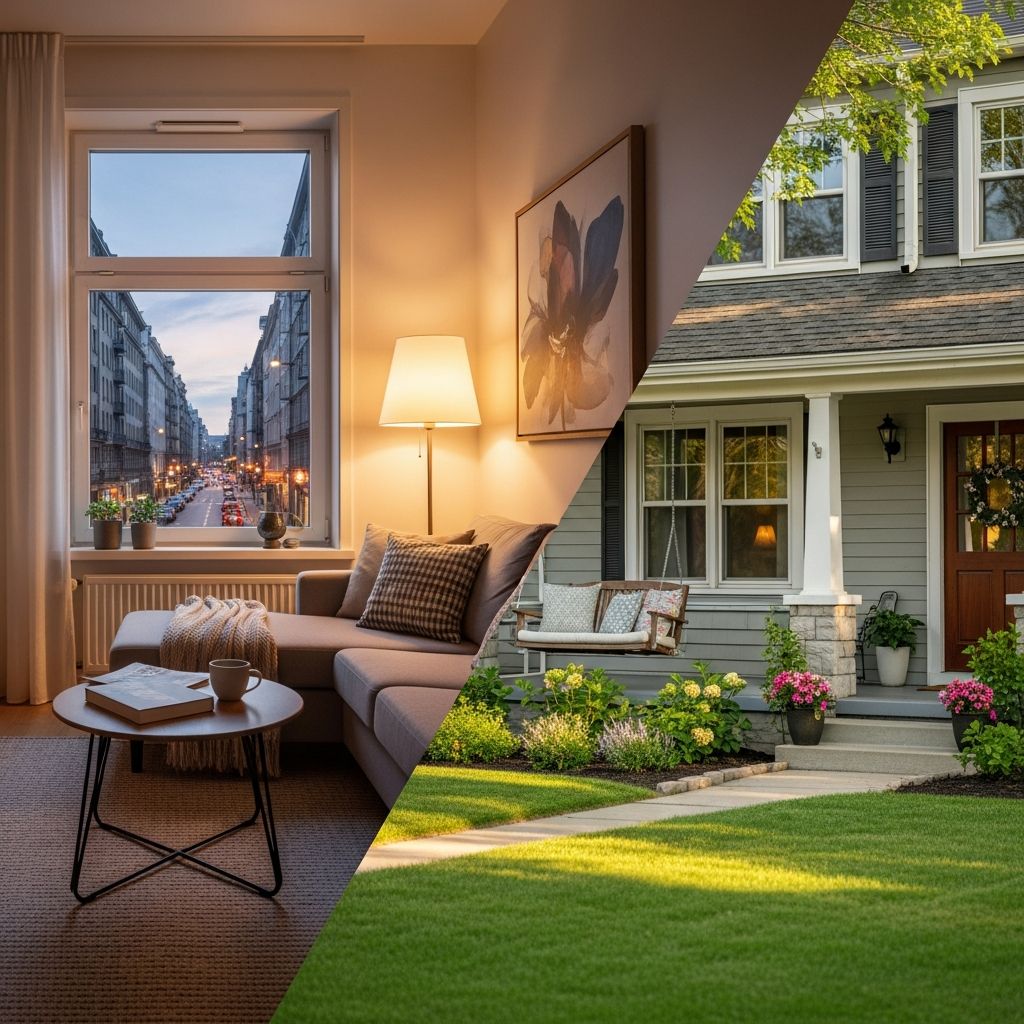
Choosing between renting an apartment and renting a house is one of the most significant housing decisions you’ll make. Each option offers distinct advantages and drawbacks that can profoundly impact your daily life, financial stability, and overall satisfaction. Understanding the nuances of both rental types enables you to make an informed decision aligned with your lifestyle, budget, and long-term goals.
Understanding the Core Distinctions
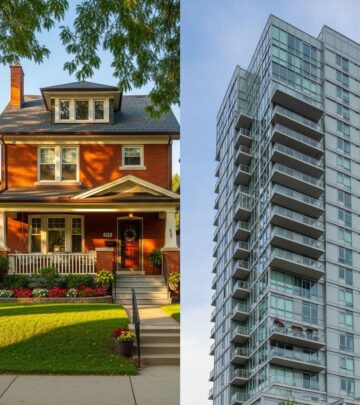
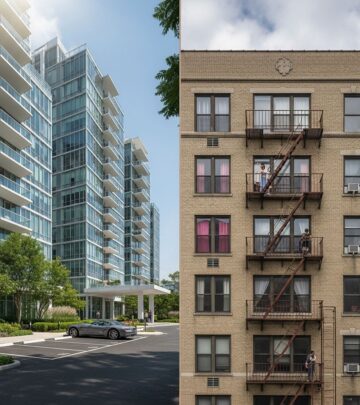
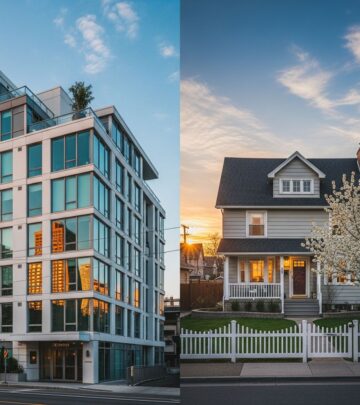
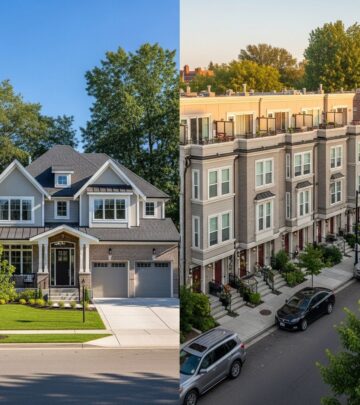
The fundamental differences between apartment and house rentals extend far beyond simple aesthetics. Apartments are typically smaller units within multi-family buildings, often located in urban or densely populated areas, while houses are standalone structures usually situated in suburban or residential neighborhoods. These distinctions create cascading differences in cost, maintenance responsibilities, privacy levels, and available amenities that renters must carefully evaluate.
The choice between these two housing types ultimately hinges on your personal priorities. Some individuals prioritize affordability and convenience, making apartments the obvious choice. Others value space, privacy, and flexibility, leading them toward house rentals despite higher costs. By examining each factor systematically, you can determine which option genuinely aligns with your circumstances.
Financial Considerations and Budget Impact
Cost represents perhaps the most immediately apparent difference between apartment and house rentals. According to current market data, apartments consistently cost significantly less than comparable house rentals. National averages show apartments at approximately $1,750 monthly, while houses average around $2,130, representing a difference of roughly $380 per month or $4,560 annually.
This cost differential varies by location and market conditions. In major metropolitan areas like Denver, the difference can be even more pronounced, with houses averaging $3,000 monthly compared to apartments at $2,200. The rental price gap typically ranges from 15–30% depending on your geographic market.
| Rental Type | Average Monthly Cost | Annual Difference from Apartments |
|---|---|---|
| Apartments (Overall) | $1,750 | — |
| One-Bedroom Apartments | $1,640 | — |
| Two-Bedroom Apartments | $1,900 | — |
| Single-Family Houses | $2,130 | +$4,560 |
Beyond base rent, utility costs deserve careful consideration. Apartment dwellers often benefit from shared utility arrangements, where certain utilities like water, trash, and sometimes even heat are included in monthly rent. House renters typically shoulder the full responsibility for all utilities, including electricity, gas, water, sewage, and garbage collection, substantially increasing monthly expenses.
Financial experts recommend maintaining housing costs at or below 30% of gross monthly income to avoid becoming “house poor,” where excessive housing expenses limit other life necessities and savings opportunities.
Space and Layout Preferences
The difference in available square footage between apartments and houses is substantial and directly impacts your daily living experience. Single-family homes average approximately 1,800 square feet nationwide, compared to just 696 square feet for typical apartments. This dramatic difference means house renters enjoy significantly more room for personal possessions, furniture arrangements, and lifestyle activities.
Houses typically feature multiple bedrooms, separate living areas, dining rooms, and often include attached garages or basement storage. This expanded footprint accommodates families, remote workers requiring dedicated office space, individuals needing hobby rooms, or those desiring guest accommodations. Apartments, conversely, offer efficient layouts optimized for single occupants or couples but with limited room for multiple simultaneous activities or extensive storage needs.
Outdoor space represents another crucial distinction. House rentals include yards—both front and back—providing areas for gardening, outdoor entertaining, children’s play, and pet exercise. Apartments may offer communal courtyards or green spaces but lack private outdoor areas. For individuals with pets or those who appreciate outdoor living, this difference proves particularly meaningful.
Maintenance and Upkeep Responsibilities
Maintenance responsibilities diverge dramatically between rental types, affecting both your time commitments and financial obligations. Apartment living dramatically reduces personal maintenance burden. Building management typically handles all common area maintenance, repairs to building infrastructure, lawn care, snow removal, and exterior lighting. When something requires repair—a leaking faucet, malfunctioning heater, or broken appliance—tenants simply submit maintenance requests, and building staff addresses the issue at no cost.
House rental maintenance, however, falls primarily on the tenant’s shoulders. Renters may be responsible for lawn mowing, hedge trimming, snow plowing during winter months, gutter cleaning, and various exterior maintenance tasks. While some landlords explicitly handle certain maintenance items, others expect tenants to manage routine upkeep. This creates both time demands and ongoing expenses that apartment dwellers typically avoid.
The hands-off maintenance experience represents one of apartment living’s most significant appeals, particularly for busy professionals, elderly individuals, or those with limited mobility. The predictability of knowing maintenance is handled professionally provides considerable peace of mind.
Privacy and Noise Considerations
Privacy levels differ substantially between these rental types. House renters enjoy private entrances, no shared walls with neighbors, and complete control over their immediate environment. This isolation creates natural sound barriers and eliminates concerns about disturbing others or being disturbed by adjacent residents.
Apartment living introduces shared spaces and proximity to multiple neighbors, inevitably increasing noise exposure. Higher-density populations mean greater likelihood of hearing neighbors’ conversations, footsteps, music, or household activities. While quality construction and soundproofing minimize this issue, apartments inherently present more noise challenges than isolated houses.
For individuals sensitive to noise, working night shifts, or requiring quiet environments, this distinction proves particularly important. Families with young children or musicians might find apartment living prohibitively restrictive. Conversely, those unbothered by occasional neighbor noise can overlook this factor entirely.
Amenities and Community Features
Apartment complexes frequently offer amenities that individual house rentals cannot provide. Common facilities include fitness centers, swimming pools, communal courtyards, business centers with internet access, pet parks, and social spaces for tenant gatherings. These amenities add lifestyle value that appeals to many renters, particularly those in urban locations.
The professional management and on-site staff typical of apartment buildings provide additional benefits. Maintenance teams respond promptly to issues, security personnel monitor access, and management offices handle administrative matters efficiently. This comprehensive support infrastructure contrasts sharply with typical house rental arrangements, where landlords may be remote and responsive repair may be slower.
Houses offer fewer built-in amenities and rely instead on individual features and nearby community resources. Renters must seek out gyms, parks, and recreational facilities independently. However, houses provide their own amenities—yards, garages, basements—that suit certain lifestyles better than communal apartment features.
Location and Lifestyle Impact
Apartments cluster predominantly in urban and walkable neighborhoods, positioning renters near restaurants, retail shops, public transportation, and entertainment venues. This urban positioning offers convenience for those seeking walkable lifestyles or preferring reduced vehicle dependence. Young professionals and urban enthusiasts typically prefer this accessibility.
Houses situate primarily in suburban and residential areas, often requiring vehicles for workplace commutes, grocery shopping, and recreational activities. While this positioning may seem restrictive compared to urban apartments, suburban living appeals to families, remote workers, and those prioritizing quiet, spacious environments over urban convenience.
Pet Ownership and Flexibility
House rentals typically offer fewer pet restrictions than apartments. While landlords maintain discretion over pet policies, houses often accommodate larger pets or multiple animals without the breed and size limitations common in apartment buildings. Families with dogs of varying sizes or multiple pets frequently find house rentals more accommodating.
Apartments impose stricter pet policies due to shared living environments and potential noise concerns. Pet fees and breed restrictions are standard, limiting options for pet owners. However, some modern apartment complexes specifically market themselves as pet-friendly, offering designated pet areas and amenities.
Beyond pet policies, house rentals allow greater personalization flexibility. Renters may modify décor extensively, potentially install fixtures (pending landlord approval), and arrange spaces without restrictions typical of apartments where standardized policies maintain consistency.
Housing Stability and Long-Term Security
Apartment living typically offers greater housing stability and security. Large apartment communities operate as established businesses with corporate management structures, making sudden policy changes or evictions less likely than with individual landlords. Multi-unit buildings rarely convert to owner-occupancy or sell unexpectedly, providing longer-term occupancy certainty.
House rentals present less predictability. Individual landlords may decide to sell properties, move back into their homes, or lease termination may occur when circumstances change. This instability can disrupt renters’ long-term planning, particularly for families requiring consistent housing arrangements.
Decision Framework
Selecting between apartments and houses requires honest assessment of personal priorities. Consider these key questions:
- Budget Priority: Can you afford an additional $300–500 monthly for house rental, or does budget constraint necessitate apartment living?
- Space Needs: Do you require extensive square footage, outdoor areas, and multiple rooms, or can you thrive in compact, efficient apartment layouts?
- Maintenance Tolerance: Will you undertake lawn care and exterior maintenance, or do you prefer hassle-free apartment living with professional management handling all upkeep?
- Location Preference: Do urban walkability and nearby amenities outweigh suburban quiet and space, or vice versa?
- Pet Ownership: Do you have pets requiring space and fewer restrictions, or are you pet-free, making pet policies irrelevant?
- Noise Sensitivity: Can you tolerate neighbor proximity and shared living, or do you require private, isolated environments?
- Professional Requirements: Does your work demand office space, requiring homes’ room flexibility, or does apartment proximity to urban employment centers better serve your career?
Frequently Asked Questions
Q: Which rental option offers better value for young professionals?
A: Apartments typically provide superior value for young professionals prioritizing affordability, urban location access, and convenient amenities. Proximity to employment centers, walkable neighborhoods, and social opportunities aligns with this demographic’s priorities. However, remote-working professionals might prefer house rentals for dedicated workspace and reduced commute concerns.
Q: Can apartment living accommodate growing families?
A: While apartments exist in various sizes including three-bedroom units, families requiring significant space, outdoor play areas, and privacy typically find house rentals more suitable. Growing families often benefit from house rentals’ flexibility and privacy, though apartment costs remain advantageous for budget-conscious families.
Q: What happens if major repairs are needed in a house rental?
A: Lease terms specify repair responsibilities. Most landlords handle structural issues and major systems, while tenants manage routine maintenance. Clarify these distinctions before signing, as responsibilities vary significantly between agreements.
Q: Are apartment amenities worth their higher rent costs?
A: This depends on personal priorities. If you actively use gym facilities, pools, or community spaces, apartment amenities justify costs. However, if amenities sit unused, rent savings from apartment living exceed amenity value, making houses preferable despite lower facility access.
Conclusion: Determining Your Ideal Living Situation
Neither apartments nor houses universally represent the superior rental choice. Each offers distinct advantages addressing different priorities and life circumstances. Apartments excel for budget-conscious individuals, urban enthusiasts, and those prioritizing minimal maintenance and stable housing security. Houses serve those valuing space, privacy, yard access, and the flexibility to personalize their environment despite higher costs and increased maintenance responsibilities.
Your optimal choice emerges from carefully weighing these factors against your personal circumstances, financial situation, and lifestyle preferences. Take time evaluating each dimension—cost, space, maintenance, location, and amenities—ensuring your decision authentically reflects your needs rather than defaulting to conventional wisdom. By approaching this decision systematically, you’ll select a rental arrangement that genuinely enhances your quality of life.
References
- Renting a Home vs Apartment: Which One Is Right for You? — LeaseRunner. 2026. https://www.leaserunner.com/blog/renting-a-home-vs-apartment
- Renting an Apartment vs. Renting a House: How To Choose Which — Realtor.com. 2026. https://www.realtor.com/advice/rent/renting-an-apartment-vs-renting-a-house/
- Renting a House vs. Renting an Apartment: Which to Choose — Avail. 2026. https://www.avail.com/education/articles/renting-a-house-vs-renting-an-apartment
- Is It Better to Rent a House or Apartment? Pros, Cons and Cost — LendingTree. 2026. https://www.lendingtree.com/home/rent/rent-house-or-apartment/
- Renting a Home vs. Apartment: Which Is Right for Me? — ApartmentList. 2025. https://www.apartmentlist.com/renter-life/renting-homes-vs-apartments
- How to Decide Between Renting a House vs Apartment — Redfin. 2026. https://www.redfin.com/blog/renting-a-house-vs-apartment/
- Renting a House vs. an Apartment: Pros and Cons — Zillow. 2026. https://www.zillow.com/learn/rent-a-house-vs-apartment/
Similar Articles








Read full bio of Sneha Tete