Annuity Calculator: Estimate Your Retirement Payout
Use our annuity calculator to estimate your retirement payments and plan your financial future.

An annuity is an investment product that provides a series of regular payments in exchange for an initial lump sum or contributions made over time. Whether you’re planning for retirement or looking to generate steady income from your investments, understanding how to use an annuity calculator can help you make informed financial decisions. This comprehensive guide will walk you through everything you need to know about annuity calculators and how they can help estimate your payout.
What Is an Annuity Calculator?
An annuity calculator is a financial tool designed to help investors understand the potential returns and payments from their annuity investments. With this calculator, you can determine several key financial metrics including the annuity payment that would deplete your fund over a specified number of years, the principal amount needed to generate a specific payment, and the number of years your investment will generate payments at your specified return rate. The calculator takes into account factors such as your starting principal, interest rate, and the duration of the investment period.
The primary purpose of an annuity calculator is to provide you with realistic expectations about your retirement income. By inputting different variables, you can explore various scenarios and understand how different investment amounts and time horizons affect your potential payouts. This helps you make strategic decisions about your retirement planning and ensures you have adequate income throughout your retirement years.
Types of Annuities Explained
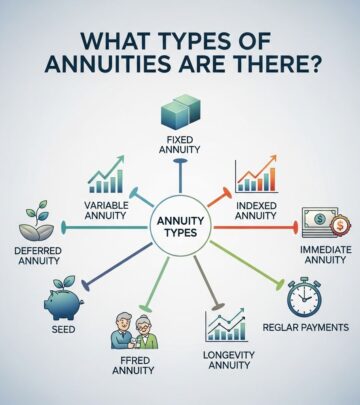
Understanding the different types of annuities is crucial before using a calculator to estimate your payouts. Each annuity type has distinct characteristics, benefits, and potential returns. Here are the main categories:
Fixed Annuities
Fixed annuities guarantee a minimum rate of return on your principal and pay out over a fixed period. This type of annuity provides predictable, stable income, making it an attractive option for conservative investors who prioritize security over growth potential. With a fixed annuity, you know exactly what payments you’ll receive, regardless of market conditions. Fixed annuities typically have lower fees compared to variable annuities, making them more cost-effective for many retirees.
Variable Annuities
Variable annuities invest your funds into various investments, typically mutual funds. The ultimate return on a variable annuity depends on how these underlying investments perform. This means your payout can fluctuate based on market performance, offering higher growth potential but with greater risk. Variable annuities appeal to investors who can tolerate market volatility and seek higher returns. However, they typically come with higher fees and more complex fee structures than fixed annuities.
Indexed Annuities
Indexed annuities offer a return that tracks a market index, such as the Standard & Poor’s 500 Index, which comprises approximately five hundred of America’s largest companies. This type provides a middle ground between fixed and variable annuities, offering growth potential linked to market performance while maintaining some downside protection. Indexed annuities have become increasingly popular among retirees seeking balanced risk and return profiles.
Key Features of Annuities
Annuities offer several important features that make them attractive retirement planning tools. Understanding these features helps you appreciate the value of using an annuity calculator in your retirement strategy.
Flexible Structuring Options
Annuities can be structured in many different ways depending on your specific financial needs and goals. Whether you need lifetime income, a guaranteed payout period, or specific payment schedules, annuities can be customized accordingly. Various riders and features can be added to enhance your annuity, though these additions typically come with incremental costs. The flexibility of annuity structuring allows you to tailor your investment to match your unique retirement requirements.
Tax-Deferred Growth
One of the most significant advantages of annuities is tax-deferred growth. Your distribution is taxed only on the earnings portion of your contribution, not on the entire contribution itself, since the principal was funded with after-tax dollars. You won’t pay income tax on the earnings until you start taking withdrawals from the account. This tax-deferred treatment allows your money to grow faster by maximizing compound interest, as more of your returns remain invested rather than being paid in taxes.
No Contribution Limits
Unlike other popular retirement accounts such as IRAs and 401(k) plans, annuities have no maximum annual contribution limits. This feature makes annuities particularly valuable for individuals who have already maximized their contributions to other retirement accounts and have additional funds they want to invest for retirement income. High-net-worth individuals and business owners often utilize annuities to address this limitation in other retirement vehicles.
Minimum Investment Requirements
The amount you need to invest in an annuity varies significantly depending on the type of annuity you choose. Understanding these minimum investment requirements is essential when planning your retirement investment strategy.
| Type of Annuity | Minimum Investment |
|---|---|
| Fixed Annuities | $1,000 – $50,000+ |
| Variable Annuities | $5,000 to $25,000+ |
| Indexed Annuities | $5,000 to $25,000 |
| Deferred Annuities | $100 – $10,000 |
| Immediate Annuities | $50,000 to $100,000 |
The minimum investment amounts vary considerably across annuity types. Fixed annuities generally have the lowest minimums, starting as low as $1,000, while immediate annuities typically require larger initial investments of $50,000 to $100,000. Deferred annuities offer some of the most accessible entry points with minimums as low as $100. When using an annuity calculator, ensure you input investment amounts that align with the minimums required by your chosen annuity type.
Understanding Annuity Costs and Fees
Before committing to an annuity, it’s important to understand the various costs associated with these investments. Annuity fees can significantly impact your returns over time, so transparency and comparison shopping are essential.
Commission Charges
Commissions typically range from 1 percent to 8 percent of your investment. These commissions are built into the annuity contract and compensate the insurance company and financial advisor for managing your investment. For example, if you pay $200,000 for an annuity, you could pay between $2,000 to $16,000 in commission. More complex annuity contracts with additional riders and features often command higher commissions.
Administrative Fees
Administrative fees generally amount to approximately 0.3 percent annually. These fees cover the costs associated with maintaining your account, processing transactions, and providing customer service. While relatively modest, these fees accumulate over the life of your annuity.
Surrender Charges
Surrender charges range from 0 percent to 10 percent and apply if you withdraw funds from your annuity during the surrender period, which typically lasts five to ten years. These charges protect the insurance company and discourage early withdrawals. However, most annuities include an annual free withdrawal allowance, usually 10 percent, without penalty.
Mortality and Expense Risks
Mortality and expense risk charges typically range from 0.5 percent to 1.5 percent annually. These fees compensate the insurance company for the risk of providing guaranteed benefits and death benefits. This cost is particularly relevant for variable annuities that offer lifetime income guarantees.
Expense Ratios
Similar to mutual funds or exchange-traded funds, annuities charge expense ratios ranging from 0.06 percent to 3 percent annually to manage the underlying investments. These fees apply primarily to variable annuities and fixed indexed annuities. The specific expense ratio depends on which sub-accounts or investment options you select within your annuity.
Additional Riders and Rate Spreads
Optional riders—such as guaranteed lifetime withdrawal benefits or enhanced death benefits—typically cost between 0.25 percent and 1 percent annually. Rate spreads, commonly found in variable and indexed annuities, average around 2 percent. A rate spread represents how much the insurance company takes before applying gains to your annuity. For instance, if your investment achieves a 5 percent gain but your annuity has a 2 percent rate spread, you would net 3 percent. These spreads can significantly limit your account growth over time.
How to Use the Annuity Calculator
To get a clear picture of potential payouts based on your initial investment, an annuity calculator is an invaluable tool. Here’s how to effectively use one:
Start by inputting your starting principal—the amount you plan to invest in the annuity. Next, enter your expected interest rate or return on investment. Then, specify the number of years until you need to begin receiving payouts or the duration for which you want the annuity to generate income. The calculator will then estimate your potential annuity payment amount based on these variables.
You can use the calculator to explore various scenarios by adjusting different factors. For example, you might test how increasing your principal investment affects your monthly payments, or how extending the payout period changes your income. This flexibility allows you to find the optimal combination of investment and timing that meets your retirement goals.
Calculating Present and Future Values
Understanding present and future value calculations is fundamental to annuity planning. These calculations help you determine how much money you need today to generate a specific retirement income stream, or conversely, how much your current investments will grow to provide.
The future value formula for an ordinary annuity is: FV = C x [((1 + i)^n – 1) / i], where FV is the future value, C is the cash flow per period, i is the interest rate expressed as a decimal, and n is the number of compounding periods. This formula accounts for both regular contributions and compound interest earned over time.
The present value formula for an ordinary annuity is: PV = C x [(1 – (1 + i)^-n) / i]. This calculation determines the single upfront investment required to generate a specific future income stream at a certain interest rate. These mathematical principles underpin annuity calculators and ensure accurate payout estimates.
Planning Your Retirement with Annuities
Annuities serve as valuable components of a comprehensive retirement strategy. They provide predictable income streams that can supplement Social Security and other retirement income sources. When combined with other investments and careful financial planning, annuities help ensure you have sufficient income throughout your retirement years.
Before purchasing an annuity, conduct thorough research and comparisons using annuity calculators. Understand the fees, terms, and payout structures of different options. Consider your risk tolerance, time horizon, and income needs when selecting an annuity type. Working with a financial advisor can help you determine whether annuities fit your overall retirement plan and which specific products align with your objectives.
Frequently Asked Questions
Q: What is the primary purpose of an annuity calculator?
A: An annuity calculator helps you estimate the payments you’ll receive from your annuity investment based on factors like your principal amount, interest rate, and time period. It allows you to explore different scenarios and plan your retirement income effectively.
Q: How much do I need to invest in an annuity?
A: The minimum investment varies by annuity type. Fixed annuities may start as low as $1,000, while immediate annuities typically require $50,000 to $100,000. Deferred annuities offer some of the lowest entry points at $100 to $10,000.
Q: What are the main types of annuities?
A: The three main types are fixed annuities (guaranteed returns), variable annuities (market-dependent returns), and indexed annuities (returns tied to market indices). Each offers different risk and return profiles.
Q: How much can annuity fees reduce my returns?
A: Annuity fees vary widely and can range from less than 1 percent to over 3 percent annually, depending on the type and features. Commission charges typically range from 1 to 8 percent of your investment.
Q: Can I withdraw money from my annuity without penalties?
A: Most annuities include an annual free withdrawal allowance, typically 10 percent, without penalty. Withdrawals beyond this amount during the surrender period may incur surrender charges ranging from 0 to 10 percent.
Q: What is the tax advantage of annuities?
A: Annuities offer tax-deferred growth, meaning you only pay taxes on earnings when you withdraw them, not on the principal. This allows your money to compound more efficiently over time.
Q: Are there contribution limits on annuities?
A: No, annuities have no maximum annual contribution limits, unlike IRAs and 401(k) plans. This makes them ideal for investors who want to invest additional retirement savings beyond these limits.
References
- How To Calculate Present And Future Value Of An Annuity — Bankrate. 2024. https://www.bankrate.com/retirement/calculate-present-and-future-value-of-annuity/
- Annuity Calculator: Estimate Your Payout — Bankrate. 2024. https://www.bankrate.com/investing/annuity-calculator/
- How Much Money Do You Need For An Annuity? — Bankrate. 2024. https://www.bankrate.com/retirement/how-much-money-do-you-need-for-an-annuity/
- How Much Does An Annuity Cost? — Bankrate. 2024. https://www.bankrate.com/retirement/how-much-does-an-annuity-cost/
- What Is A Fixed Annuity? — Bankrate. 2024. https://www.bankrate.com/retirement/what-is-a-fixed-annuity/
- How Annuities Work And What You Should Know — Bankrate. 2024. https://www.bankrate.com/retirement/life-insurance-annuity/
Similar Articles








Read full bio of medha deb