Annuities Pros and Cons: Complete Retirement Guide
Explore the advantages and disadvantages of annuities for retirement income planning.

Understanding Annuities: Pros and Cons of Annuity Investing
An annuity is a contract with an insurance company that can provide a reliable income stream during retirement. While annuities offer significant benefits for those seeking guaranteed income, they also come with notable drawbacks that require careful consideration. Understanding both sides of annuity investing will help you determine whether these financial products align with your retirement goals and risk tolerance.
What Are Annuities?
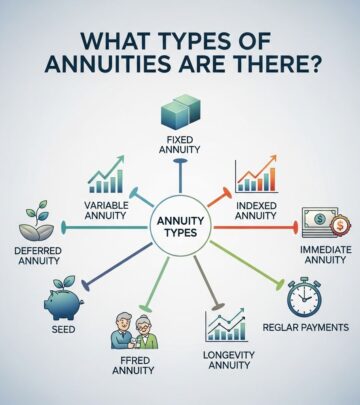
Annuities are financial contracts issued by insurance companies that convert a lump sum investment into regular income payments. You can purchase an annuity with a single payment or through a series of contributions over time. The insurance company then guarantees to pay you a predetermined amount at regular intervals, either immediately or at a future date. These contracts come in several varieties, each with different features, risk levels, and fee structures that cater to different retirement planning needs.
Advantages of Annuities
1. Regular Payments and Lifetime Income
One of the most compelling advantages of annuities is their ability to provide predictable, regular income throughout retirement. Unlike investment portfolios that fluctuate with market conditions, annuities deliver consistent payments you can count on. This guaranteed income stream extends for your entire lifetime, meaning you never have to worry about depleting your retirement funds. Many retirees find this longevity insurance invaluable, as it eliminates the uncertainty of not knowing how long their money needs to last.
2. Tax-Deferred Growth
Annuities offer significant tax advantages that can enhance your retirement savings. The earnings within your annuity grow tax-deferred, meaning you don’t pay taxes on the investment gains until you begin making withdrawals or receiving payments. This tax deferral allows your money to compound more effectively over time, potentially creating a larger retirement nest egg. The money grows at its full rate without annual tax drag, maximizing your account’s growth potential.
3. Guaranteed Rates of Return
Fixed annuities provide a guaranteed rate of return on your investment, which limits risk and offers predictability. When interest rates are higher, fixed annuities become particularly attractive options. In April 2025, the best fixed annuity rates from top insurers ranged from 3.85 percent to 5.80 percent—competitive rates that you can lock in for a lifetime of fixed returns. These rates often exceed what you’d earn from certificates of deposit while offering the security of knowing exactly what you’ll receive.
4. Simplified Retirement Management
Annuities eliminate the need to actively manage investments or make complex withdrawal decisions. With an annuity, you shift the responsibility for investment management to the insurance company. This “set it and forget it” approach provides tremendous peace of mind for people who feel uncomfortable managing their own portfolios or prefer a simplified retirement plan. You don’t need to monitor market conditions, rebalance investments, or worry about withdrawing too much money too quickly from your retirement accounts.
5. No Contribution Limits
Unlike retirement accounts such as 401(k)s and IRAs, annuities have no annual contribution limits. This makes them an excellent option for people who have already maximized their traditional retirement account contributions and want to save additional money for retirement with tax advantages. You can invest as much as you need to meet your retirement income goals without hitting regulatory restrictions.
6. Customizable Features
Annuities can be tailored to fit your specific needs and circumstances. Many annuities offer optional riders such as cost-of-living adjustments to help maintain your purchasing power against inflation, guaranteed minimum income benefits, and death benefits for your heirs. These customizable features allow you to design an annuity contract that specifically addresses your retirement concerns and family situations.
Disadvantages of Annuities
1. High Expenses and Commissions
Cost represents one of the biggest drawbacks of annuities and can significantly erode your returns. Variable annuities are particularly expensive, with fees ranging from 3 to 8 percent annually, excluding commissions and surrender charges. These fees cover mortality and expense charges, administrative costs, and underlying investment management. Sales commissions can range from 1 to 8 percent, and some brokers or financial advisors may recommend annuities primarily because of these lucrative commissions rather than because they’re the best choice for you. Some annuity contracts are so complex that the full rate of internal expenses is difficult for the average person to understand.
2. Loss of Access to Principal
Once you invest in an annuity, you typically cannot access your principal investment. This inflexibility can be problematic if you face unexpected expenses during retirement. Annuities are designed as long-term retirement income vehicles, not sources of emergency funds. If you need to withdraw money early, you’ll face surrender charges—penalties that can be substantial, sometimes lasting 7 to 10 years or longer depending on the contract terms. These charges can eat significantly into any withdrawals you attempt to make.
3. Lower Overall Returns
Immediate annuities and fixed annuities tend to offer lower returns than stocks and bonds. While this conservative approach provides safety and predictability, it means your purchasing power may be eroded by inflation over time. If you’re concerned about maintaining your lifestyle as prices rise, the fixed returns of a traditional annuity may not keep pace with inflation unless you specifically purchase cost-of-living adjustment riders, which come at an additional cost.
4. Market Risk (Variable Annuities)
Variable annuities introduce market risk because their payouts depend on the performance of underlying investments such as mutual funds, stocks, and bonds. When markets decline, the value of your annuity can decrease, reducing your payments. This additional risk, combined with higher fees, makes variable annuities more complex and potentially riskier than fixed alternatives. Variable annuities are generally more suitable for investors with higher risk tolerances who have already maximized contributions to other retirement plans.
5. Limited Liquidity and Flexibility
Annuities are not designed for flexibility. Once you’ve committed your money and especially once you begin receiving payments, it’s extremely challenging to access your funds. The rigid structure of annuity contracts means that people who prefer flexibility in their investments may find annuities restrictive. If you think you may need access to your money in the near future, an annuity is likely not the right choice due to surrender charges and fees that substantially reduce the value of early withdrawals.
6. Complexity and Understanding
Many annuity contracts are extraordinarily complex, with numerous options, riders, and conditions that can be difficult for average investors to fully comprehend. This complexity can make it challenging to compare different annuity products or to fully understand what you’re purchasing. It’s crucial to carefully review any annuity contract and consider consulting with a fee-only financial advisor who has no commission incentive in the recommendation.
Types of Annuities: A Comparison
| Annuity Type | Payment Structure | Risk Level | Average Fees | Best For |
|---|---|---|---|---|
| Fixed Annuities | Guaranteed fixed payments | Low | Lower fees | Conservative investors seeking stability |
| Variable Annuities | Payments vary with investments | High | 3-8% annually | Risk-tolerant investors seeking growth |
| Immediate Annuities | Income begins within one year | Low | Lower fees | Those needing immediate retirement income |
| Indexed Annuities | Linked to market index performance | Medium | Moderate | Balanced risk/reward seekers |
Is an Annuity Right for You?
An annuity may be a good investment if you want to ensure guaranteed income in retirement and don’t mind some of the inherent drawbacks such as higher fees and rigid contracts. Consider whether an annuity makes sense based on these factors:
When Annuities Make Sense
- You’ve maxed out contributions to 401(k)s, IRAs, and other retirement accounts
- You want guaranteed lifetime income you cannot outlive
- You prefer not to actively manage investments
- You have a substantial lump sum to invest ($100,000 or more)
- You have a conservative risk tolerance
- You’re concerned about longevity and living too long
When Annuities May Not Be Ideal
- You may need quick access to your money
- You want flexibility and control over your investments
- You’re uncomfortable with complex financial products
- You believe you can earn higher returns in the stock market
- You’re young with a long time horizon ahead
- You want to leave money to heirs
Important Considerations When Purchasing an Annuity
Research the Insurance Company
Since insurance companies underwrite annuities, their financial health is essential to your security. Insurance companies with high credit ratings and stable financial histories are much more likely to make good on decades of payouts. When shopping for an annuity, look for companies with high ratings from reputable rating agencies such as A.M. Best, Moody’s, and Standard & Poor’s. These ratings provide assurance that the insurance company will be able to meet its obligations to you.
Understand All Fees and Charges
Before purchasing an annuity, fully understand every fee you’ll be charged, including mortality and expense charges, investment management fees, administrative costs, surrender charges, and any rider fees. Ask for a detailed breakdown and compare costs between different annuity products and companies. Don’t hesitate to ask questions—annuity contracts should be clearly explained to you.
Verify Suitability
Be cautious of sales practices and advisors who may be recommending an annuity primarily because of high commissions rather than because it’s suitable for your situation. Consider seeking a second opinion from a fee-only financial advisor who has no commission incentive in recommending the annuity.
Consider Your Time Horizon
Younger investors or those with a long time horizon might find annuities’ lower return potential limiting. These investors can likely achieve greater gains in the stock market or real estate, where their money can grow and compound more aggressively and with fewer restrictions. However, for those nearing or in retirement, annuities can provide valuable certainty.
Frequently Asked Questions About Annuities
Q: How much money do I need to purchase an annuity?
A: You’ll likely need at least $100,000 to adequately fund an immediate annuity. Otherwise, your lifetime payments from the insurance company will be relatively small. However, some annuity products may accept smaller initial investments.
Q: Can I change my mind after purchasing an annuity?
A: Most annuities have surrender periods during which you cannot withdraw your money without penalties. These periods typically last 7 to 10 years or longer. After the surrender period ends, you may have limited withdrawal options.
Q: What happens to my annuity if the insurance company fails?
A: Each state has guaranty associations that protect annuity owners if an insurance company becomes insolvent. However, protection limits vary by state and may not cover the full value of your annuity in all situations.
Q: Are annuities taxed differently than other investments?
A: Annuities offer tax-deferred growth, but when you withdraw funds or begin receiving payments, you’ll owe ordinary income tax on some or all of the money. This is different from long-term capital gains treatment for other investments.
Q: Can I customize my annuity payments?
A: Yes, many annuities offer customization options including lifetime payments, payments for a specific period, or payments that increase annually for inflation protection. Different choices will affect your payment amounts.
Q: What’s the difference between immediate and deferred annuities?
A: Immediate annuities begin payments within one year of purchase, while deferred annuities allow your money to grow for several years before you start receiving payments. Deferred annuities offer flexibility in timing but lock up your money longer.
Conclusion
Annuities represent a powerful tool for creating guaranteed retirement income, but they’re not suitable for everyone. The decision to purchase an annuity should be based on your personal circumstances, risk tolerance, time horizon, and retirement income needs. While annuities offer valuable benefits such as lifetime guaranteed income, tax-deferred growth, and simplified retirement management, they also come with significant drawbacks including high fees, limited liquidity, lower potential returns, and complex contracts. Before making a decision, carefully weigh the pros and cons, research insurance company ratings, understand all fees, and consider consulting with a qualified financial advisor who can help you determine whether an annuity fits into your overall retirement strategy.
References
- What is an immediate annuity? Here’s how they work — Bankrate. 2025-04-15. https://www.bankrate.com/investing/immediate-annuity/
- The pros and cons of variable annuities — Bankrate. 2025-03-20. https://www.bankrate.com/retirement/what-are-the-pros-and-cons-of-a-variable-annuity/
- Income Annuities: What Are They And How Do They Work? — Bankrate. 2025-02-10. https://www.bankrate.com/retirement/what-are-income-annuities/
- Are Annuities A Safe Investment? — Bankrate. 2025-01-15. https://www.bankrate.com/investing/are-annunities-safe/
- How Annuities Work And What You Should Know — Bankrate. 2025-02-28. https://www.bankrate.com/retirement/life-insurance-annuity/
- Are Annuities A Good Investment And Are They Worth It? — Bankrate. 2025-03-05. https://www.bankrate.com/retirement/are-annuities-a-good-investment/
- Retirement annuities: Pros and cons of annuity investing — Bankrate. 2025-01-22. https://www.bankrate.com/retirement/pros-and-cons-of-annuities/
Similar Articles








Read full bio of Sneha Tete