Annuitant: Definition, Types, and Financial Benefits
Understanding annuitants: Secure retirement income through annuity contracts and financial planning strategies.

What Is an Annuitant?
An annuitant is an individual who is entitled to receive regular payments from an annuity contract, which is a financial product issued by an insurance company. The annuitant represents the person or persons designated to benefit from the income stream generated by an annuity investment. An annuity is a contract that requires regular payments for more than one full year to the person entitled to receive the payments, making it a reliable source of income for retirees and individuals seeking financial security.
The primary purpose of being an annuitant is to enjoy a predictable and stable stream of income. By entering into an annuity contract, individuals can secure regular funds designated for retirement or other long-term financial goals. This arrangement provides peace of mind, knowing that income will continue flowing regardless of market conditions or other economic factors. Many people choose to become annuitants as part of their comprehensive retirement planning strategy.
Understanding the Role of an Annuitant
The role of an annuitant is central to the entire annuity contract structure. When you purchase an annuity or are named as an annuitant, you enter into a binding agreement with an insurance company that guarantees periodic payments. These payments can be structured in various ways depending on the annuity type and the options selected at the time of purchase.
Annuitants differ from annuity owners in an important way. The annuity owner is the individual who purchases the annuity contract and may make decisions about the contract’s terms. The annuitant is the person who receives the benefits. In many cases, the owner and annuitant are the same person, but they can also be different individuals, particularly in cases of spousal or family arrangements.
Types of Annuitants
Understanding the different types of annuitants helps individuals make informed decisions about their annuity contracts and estate planning. Each type serves a specific purpose and offers distinct advantages based on individual circumstances and financial objectives.
Primary Annuitant
The primary annuitant is the main beneficiary designated to receive annuity payments. This individual is the first to receive the income stream from the annuity contract. The primary annuitant’s life expectancy and circumstances are typically used to calculate payment amounts and the distribution schedule. When establishing an annuity, the owner specifies who will serve as the primary annuitant.
Joint Annuitant
A joint annuitant, often a spouse or life partner, provides an additional layer of financial security within an annuity contract. When a joint annuitant is named, the contract is structured so that if the primary annuitant passes away, the joint annuitant automatically steps in to continue receiving the annuity income. This continuation of benefits offers a financial safety net, ensuring a steady flow of income even after the primary annuitant’s death. This arrangement is particularly beneficial for couples who want to ensure that surviving spouses or partners maintain financial stability.
Contingent Annuitant
The contingent annuitant serves as a secondary backup beneficiary. The role of the contingent annuitant becomes active in scenarios where both the primary and joint annuitants pass away before the annuity benefits are exhausted. This individual steps in to receive the remaining annuity income, adding another level of security to the arrangement. By involving a contingent annuitant, families can ensure that the benefits of the annuity extend beyond the lives of the primary and joint annuitants, protecting multiple generations of beneficiaries.
Revocable Annuitant
Involving a revocable annuitant introduces flexibility into the annuity contract. In this arrangement, the contract owner reserves the right to change the annuitant during the contract term. This feature proves particularly beneficial when the owner’s circumstances or intentions evolve over time, such as changes in family dynamics, divorce, or shifts in estate planning objectives. The flexibility of a revocable annuitant structure allows for adaptability as life circumstances change.
Irrevocable Annuitant
An irrevocable annuitant provides certainty and permanence in the annuity contract. Once the annuity contract is established with an irrevocable annuitant designation, the identity of the annuitant cannot be altered. This arrangement is beneficial when the owner wishes to guarantee that a specific individual will benefit from the annuity, ensuring the income stream remains directed as initially intended. Irrevocable designations are often used in situations where the owner wants absolute certainty about who will receive the benefits.
Types of Annuity Payment Structures
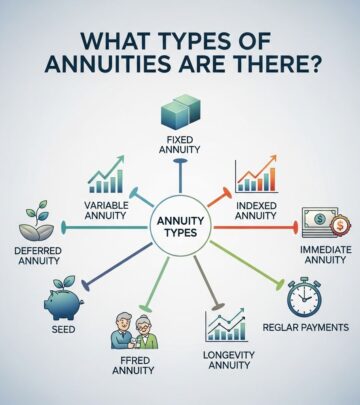
Annuitants receive payments according to the type of annuity contract chosen. The Internal Revenue Service recognizes several common annuity types, each offering different payment structures and benefits:
Fixed Period Annuities
Fixed period annuities pay a fixed amount to an annuitant at regular intervals for a definite length of time. These annuities are designed for individuals who want guaranteed payments over a specific period, such as 10, 15, or 20 years. Once the fixed period expires, payments cease regardless of whether the annuitant is still living.
Variable Annuities
Variable annuities make payments to an annuitant that vary in amount for a definite length of time or for the annuitant’s life. The payment amounts depend on variables such as profits earned by the underlying pension or annuity funds or by cost-of-living indexes. These annuities offer the potential for higher returns but also carry investment risk.
Single Life Annuities
Single life annuities pay a fixed amount at regular intervals during an annuitant’s lifetime, ending upon their death. These annuities offer straightforward income for one person and typically provide the highest monthly payment amount since payments are based solely on one individual’s life expectancy.
Joint and Survivor Annuities
Joint and survivor annuities pay a fixed amount to the first annuitant at regular intervals for their lifetime. After the first annuitant passes away, a second annuitant receives a fixed amount at regular intervals for the remainder of their life. The amount paid to the second annuitant may be the same or different from the amount paid to the first annuitant, depending on how the contract is structured.
Qualified Employee Annuities
Qualified employee annuities are retirement annuities purchased by employers for employees under plans that meet certain Internal Revenue Code requirements. These annuities are often part of employer-sponsored retirement plans and offer tax advantages for both the employer and employee.
Tax-Sheltered Annuities
Tax-sheltered annuities are special annuity plans or contracts purchased for employees of public schools or tax-exempt organizations. These arrangements allow eligible employees to contribute pre-tax income toward annuity contracts, providing tax benefits and retirement security.
Tax Implications for Annuitants
Understanding the tax treatment of annuity payments is essential for annuitants to effectively manage their income and tax obligations. Tax implications vary based on the type of annuity and how it was funded. Annuities purchased with after-tax dollars have different tax treatments compared to those funded through qualified retirement plans. Distributions from annuities may be subject to income tax, and the taxation depends on factors such as the annuity’s cost basis and the portion of each payment that represents return of principal versus earnings.
Risks Associated with Becoming an Annuitant
While annuities provide stable income, annuitants should be aware of several risks associated with these financial products:
Credit Risk
Credit risk refers to the possibility that the insurance company issuing the annuity might face financial difficulties and be unable to make promised payments. This risk highlights the importance of selecting annuities from financially stable insurance companies with strong credit ratings.
Inflation Risk
With fixed annuities, inflation risk occurs when the purchasing power of annuity payments decreases over time due to rising prices. An annuitant receiving the same dollar amount each year may find that amount buys less as inflation increases.
Interest Rate Risk
Interest rate risk affects the value of annuity contracts, particularly for fixed annuities. Changes in interest rates can impact the rates offered on new annuities and may affect the secondary market value of existing annuity contracts.
Market Risk
Annuitants with variable annuities face market risk, as the value of underlying investments fluctuates with market conditions. Poor market performance can result in reduced annuity payments during down markets.
Longevity Risk
Longevity risk is the concern that an annuitant might outlive their other resources and become overly dependent on annuity income. However, this risk is mitigated by the guaranteed nature of most annuity payments.
Rights and Protections for Annuitants
Annuitants benefit from various legal protections and regulatory oversight designed to safeguard their interests:
Contract Provisions and Guarantees
Annuity contracts include specific provisions and guarantees that protect the annuitant’s right to receive promised payments. These contractual terms are legally binding on the insurance company.
State Guaranty Associations
Each state has its own guaranty association and coverage limits that protect annuitants if an insurance company becomes insolvent. These associations provide a safety net, ensuring that annuitants receive at least a portion of their promised benefits even if the insurance company fails.
Regulatory Oversight
Annuities are regulated by state insurance departments, and annuitants are protected by various consumer protection laws. These regulations ensure that insurance companies operate in a financially sound and ethical manner, maintaining standards for product offerings and business practices.
Choosing an Annuity: Considerations for Potential Annuitants
Individuals considering becoming annuitants should carefully evaluate several factors before making a decision:
Assess Financial Goals and Risk Tolerance
Before purchasing an annuity, assess your financial objectives and how much investment risk you can comfortably handle. Consider whether a fixed annuity providing guaranteed income or a variable annuity offering growth potential better suits your needs.
Compare Annuity Products and Features
Different insurance companies offer various annuity products with different features. Compare options such as payment frequency, benefit periods, and riders that may enhance the contract’s value.
Evaluate Fees and Expenses
Annuities may include various fees such as administrative fees, investment management fees, and surrender charges. Carefully review all expenses to understand their impact on your net returns.
Review Insurance Company Financial Strength
Research the financial stability and ratings of insurance companies before purchasing an annuity. Check ratings from agencies such as A.M. Best, Moody’s, or Standard & Poor’s to ensure the company can meet its obligations.
Frequently Asked Questions
Q: What is the difference between an annuitant and an annuity owner?
A: The annuity owner is the person who purchases the annuity contract and makes decisions about its terms. The annuitant is the person designated to receive the payments. They can be the same person or different individuals.
Q: Can I change my annuitant after purchasing an annuity?
A: This depends on whether you selected a revocable or irrevocable annuitant. With a revocable annuitant, you can change the designated recipient. With an irrevocable annuitant, you cannot make changes once the contract is established.
Q: What happens to my annuity if I pass away?
A: This depends on your annuity type. If you have a single life annuity, payments typically stop at your death. If you have a joint and survivor annuity, your designated joint annuitant continues receiving payments.
Q: Are annuity payments subject to income tax?
A: Yes, annuity payments are generally subject to income tax, though the tax treatment depends on how the annuity was funded. Payments from qualified retirement plans may have different tax treatment than annuities purchased with after-tax dollars.
Q: How are annuitant payments calculated?
A: Annuitant payments are calculated based on factors including the annuity amount, annuitant’s age and life expectancy, interest rates, and the chosen payment option. Insurance companies use actuarial tables to determine payment amounts.
Q: What protections do annuitants have if the insurance company fails?
A: State guaranty associations provide protection to annuitants if an insurance company becomes insolvent. Each state has its own association with specific coverage limits designed to protect annuitants’ benefits.
References
- Annuitant | Definition, Types, Tax Implication, Risks, & Rights — Finance Strategists. 2024. https://www.financestrategists.com/insurance-broker/annuity/annuitant/
- Annuities – A Brief Description — Internal Revenue Service. U.S. Department of the Treasury. https://www.irs.gov/retirement-plans/annuities-a-brief-description
Similar Articles








Read full bio of Sneha Tete