Americans Are Still Writing Checks 38 Times a Year
Despite digital payments, Americans write checks 38 times yearly—discover why businesses, rural areas, and the unbanked keep this tradition alive.
In an era dominated by apps like Venmo, Zelle, and direct deposits, it’s surprising that paper checks remain a staple in American financial life. The average American writes and receives checks approximately 38 times per year, far outpacing other nations. This persistence stems from businesses’ reliance on checks, needs in rural communities, and the unbanked population’s dependence on them.
While digital payments have surged—handling over 80% of transactions in recent years—checks still account for about 5% of all payments but represent a whopping 21% of their total value, according to Federal Reserve insights. This article delves into the reasons checks endure, who uses them most, the risks involved, modern alternatives, and signs that paper checks may finally fade.
Why Do Americans Still Love Writing Checks?
Americans write more checks than any other country, with the average person handling 38 checks annually. This figure breaks down to roughly three checks per month, often for rent, utilities, or business payments. Unlike Europe or Asia, where digital transfers dominate, the US payment ecosystem clings to this centuries-old method.
Historical roots play a role: Checks date back nearly 2,400 years, with modern versions emerging in 1500s Amsterdam as safe deposit alternatives. Depositors wrote ‘notes’ to cashiers to pay debts, evolving into today’s checks. In the US, this system embedded deeply, especially post-Depression when banking expanded.
- Business Preferences: Many small businesses prefer checks to avoid credit card fees (2-3% per transaction). Landlords, contractors, and retailers accept them for high-value payments.
- Rural Reliance: In areas with poor internet, checks are practical for mail-order payments or local services.
- Unbanked Households: About 6% of US adults (13 million) lack bank accounts, rising to 22% for incomes under $25,000. They cash paychecks at check-cashing stores.
Older adults (over 65) and those without smartphones (10% of Americans) also favor checks for familiarity and security perceptions.
Who Writes the Most Checks?
Check usage varies by demographic and region:
| Group | Average Checks/Year | Primary Reasons |
|---|---|---|
| Seniors (65+) | 50+ | Bill payments, pensions, Medicare reimbursements |
| Rural Residents | 40-45 | Limited digital infrastructure, farm suppliers |
| Small Businesses | 100+ | Vendor payments, rent, avoiding fees |
| Unbanked | 30-38 | Paychecks, government benefits |
| General Population | 38 | Rent, utilities, occasional large purchases |
Data shows businesses issue 70% of checks, consumers 30%. Regions like the Midwest and South lead in usage due to agriculture and manufacturing.
The Decline of Checks: Stats and Trends
Check volume has plummeted 90% since 2000, from 50 billion to under 5 billion annually. Yet, they hold value: In 2024, checks processed $28 trillion—21% of non-cash payment value.
Federal moves signal change: By late 2025, most government benefits shifted to direct deposit or prepaid cards, ending paper checks. The Federal Reserve is eyeing ‘winding down’ check services for banks, citing rising fraud, digital growth, and infrastructure costs. Vice Chair Michelle Bowman notes checks’ ongoing role but warns of fraud risks.
- Check fraud up 20% yearly, costing $20+ billion.
- Digital payments: ACH transfers up 15%, P2P apps like Zelle 300% since 2018.
- Penny’s end (2025) mirrors checks’ fate.
Risks of Writing Checks in 2026
While convenient, checks pose dangers in a digital age:
- Fraud and Theft: Stolen checks easily altered; mobile deposit fraud rose 336% in 2024.
- Delays: Mailing takes 3-7 days; lost mail common.
- Fees: Bounced checks cost $30-40; unbanked pay 1-5% to cash them.
- Security: No real-time tracking like apps.
Experts recommend secure practices: Use black ink, write ‘void’ over unused lines, store securely.
Modern Alternatives to Checks
Switching saves time and money:
| Method | Pros | Cons | Best For |
|---|---|---|---|
| Direct Deposit/ACH | Free, instant, secure | Needs bank account | Paychecks, bills |
| Zelle/Venmo | Fast P2P, mobile | Fees for instant, limits | Friends/family |
| Digital Wallets (Apple Pay) | Contactless, secure | Merchant acceptance | Retail |
| Prepaid Cards | No bank needed | Fees, less features | Unbanked |
| Bill Pay Apps | Automated | Setup time | Recurring bills |
Government now mandates electronic benefits; banks offer free ACH. Unbanked options like Netspend prepaid cards mimic checks without fees.
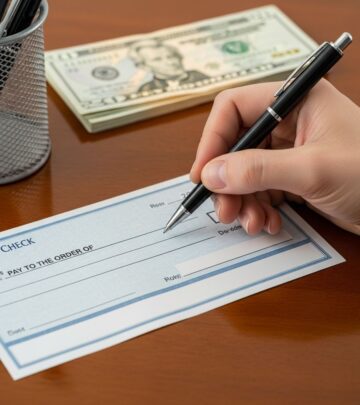
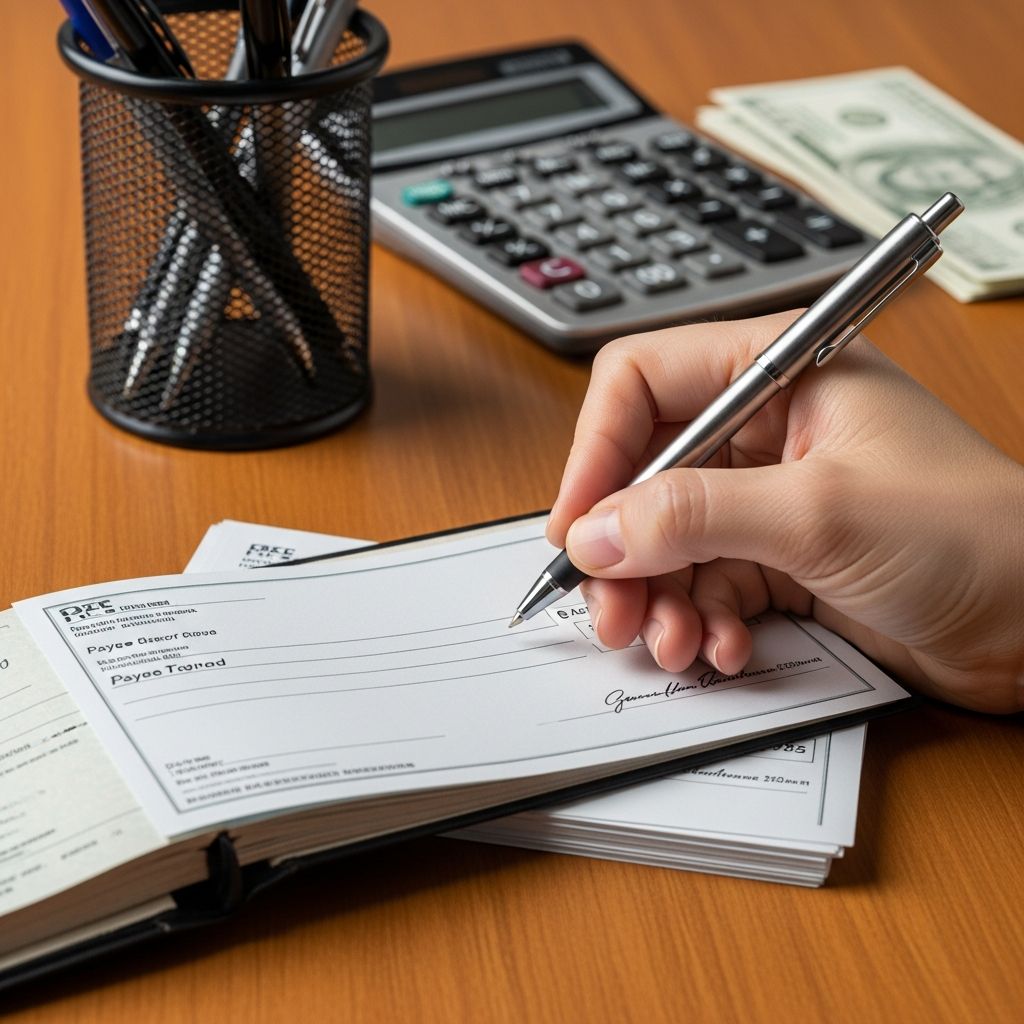
How to Write a Check Properly (Step-by-Step)
If sticking with checks:
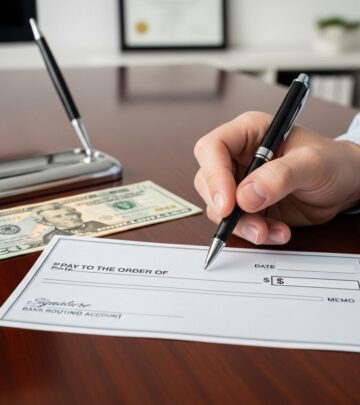
- Date: Current date.
- Payee: Full name.
- Amount (Numeric): Dollars and cents, e.g., $100.00.
- Amount (Written): “One hundred and 00/100”.
- Memo: Purpose.
- Signature: Yours.
Fun fact: ‘PAY TO THE ORDER OF’ prevents alterations.
Frequently Asked Questions (FAQs)
Why do Americans write more checks than other countries?
Business cost savings, rural access issues, and 6% unbanked rate keep checks alive, unlike digital-heavy Europe.
Are paper checks going away soon?
Government ended most in 2025; Fed may phase out services, but businesses and unbanked ensure slow decline.
How many checks does the average person write yearly?
About 38, often for rent or bills.
What’s safer: checks or digital payments?
Digital, with fraud protection; checks vulnerable to theft.
Alternatives for unbanked?
Prepaid cards, cash apps without banks, or check-cashing with fees.
Future of Checks: On the Way Out?
Like the penny’s 2025 end, checks face obsolescence. Fraud, costs, and digital adoption (projected 95% by 2030) signal decline. Yet, for now, 38 checks a year remind us: Tradition dies hard. Transition wisely to save money and hassle.
References
- Americans Are Still Receiving and Writing Checks 38 Times a Year — The Penny Hoarder. 2025. https://www.thepennyhoarder.com/save-money/americans-still-writing-checks/
- Could paper checks be on the way out, like the penny? — CNN Business (via ABC17 News). 2025-12-05. https://abc17news.com/money/cnn-business-consumer/2025/12/05/could-paper-checks-be-on-the-way-out-like-the-penny/
- How to Write a Check (Plus Some Fun Facts About Check Writing) — The Penny Hoarder (YouTube). 2025. https://www.youtube.com/watch?v=pCFGaEKD6xE
- Federal Reserve Report on Payments Study — Federal Reserve Financial Services. 2024. https://www.frbservices.org/resources/fed-ach-utilization-data
- FDIC National Survey of Unbanked and Underbanked Households — FDIC.gov. 2024-10-01. https://www.fdic.gov/analysis/household-survey/2023/2023-executive-summary.pdf
Similar Articles








Read full bio of medha deb