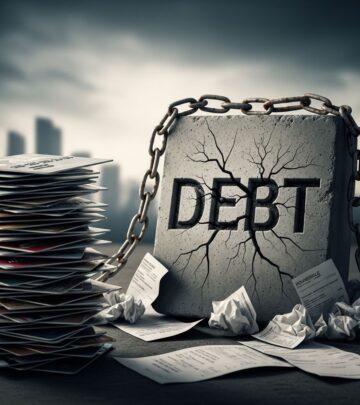
Americans Now Hold Record $1.2 Trillion in Credit Card Debt
Credit card debt reaches historic $1.2 trillion as interest rates and delinquencies surge across America.

Americans Now Hold a Record $1.2 Trillion in Credit Card Debt
The United States has reached a troubling financial milestone, with Americans collectively owing a record $1.21 trillion in credit card debt. This unprecedented figure represents a dramatic increase from $986 billion just two years ago, signaling a fundamental shift in consumer financial behavior and economic pressures facing American households. According to a New York Fed report, high interest rates, stubborn inflation, and continued consumer spending have converged to create this historic debt burden.
The trajectory of credit card debt has been consistently upward, reflecting deeper economic challenges that Americans face. As households grapple with elevated prices for everyday goods and services, coupled with steep credit card interest rates that make borrowing increasingly expensive, many are turning to credit cards as a financial lifeline. The average credit card interest rate has exceeded 20%, making credit cards one of the most costly forms of borrowing available to consumers.
Key Drivers Behind the Debt Surge
Several interconnected factors have contributed to the record credit card debt levels. Understanding these drivers is essential for comprehending the broader economic context in which American consumers find themselves.
High Interest Rates and Persistent Inflation
The Federal Reserve’s efforts to combat inflation through aggressive interest rate increases have had a significant impact on credit card costs. With average credit card APRs reaching record highs of 21.8% to 24.22%, borrowing through credit cards has become increasingly expensive. Even as the Federal Reserve implemented rate cuts in late 2024, cutting rates by a full percentage point, credit card interest rates barely declined. The average card APR only edged down 0.23%, disappointing consumers who hoped for more substantial relief.
Inflation continues to squeeze household budgets, forcing families to rely on credit cards for basic necessities. Millions of Americans now use credit cards to pay for everyday expenses like groceries, gas, and bills, rather than as a tool for planned purchases. This shift in credit card usage patterns reflects the genuine financial strain many households experience.
Consumer Spending Patterns During Holiday Seasons
Holiday spending campaigns and the cultural expectations surrounding year-end shopping have traditionally driven credit card borrowing. However, recent data reveals an intensification of this seasonal trend. In the fourth quarter of 2024, consumers added approximately 17 million credit card accounts, a substantial increase from about 5 million added during the same period a year earlier.
Despite opening more accounts, the rate of debt accumulation showed slight improvement. Credit card balances rose by $45 billion in the fourth quarter of 2024, which compares favorably to a $50 billion increase in the fourth quarter of 2023. This modest slowdown suggests that while consumers are opening new credit lines, they are not necessarily accumulating debt at alarming rates.
Delinquency Concerns and Financial Distress
While overall debt levels paint one picture, delinquency rates paint another, more concerning one. Credit card delinquencies have emerged as a significant point of concern that requires careful monitoring. In the fourth quarter of 2024, the share of credit card balances 90-plus days delinquent reached 11.35%, marking the highest level since the end of 2011.
Additionally, more Americans with credit cards are falling behind on their bills than at any point in the last decade. The percentage of cardholders making only the minimum payment climbed to a 12-year high of 11.12% in the fourth quarter of 2024, up from 10.75% in the third quarter. This trend represents more than double the delinquency rate recorded at its pandemic-era low in 2021, indicating a substantial deterioration in payment capacity.
Delinquency Rates Across Different Perspectives
However, a separate Kansas City Fed report in December offered a more nuanced perspective on credit card delinquency trends. According to their analysis, recent delinquency trends aren’t as alarming as they might initially appear on the surface. The key distinction lies in understanding revolving balances—the debt consumers actually carry past a billing cycle and owe interest on.
Revolving balances remain below 2019 levels, suggesting that households are not rolling over additional credit card debt and are thus better able to pay off balances when making minimum payments. This metric provides a counterbalance to the headline delinquency statistics, though it doesn’t eliminate concerns about consumer financial health.
The Interest Rate Challenge and Bank Profitability
The disconnect between Federal Reserve rate cuts and actual credit card APR reductions reveals important dynamics in the financial services industry. Credit card companies have been remarkably resistant to reducing interest rates, even as the Fed has loosened monetary policy.
Why Credit Card Rates Remain High
Jennifer Doss, executive editor at CardRatings.com, explained that consumers hoping for an automatic, proportional drop in their credit card interest rates may be disappointed. The link between Federal Reserve policy and card APRs is often weaker than people assume, as credit card rates are heavily influenced by credit conditions and individual credit scores.
Jeff Sigmund of the American Bankers Association acknowledged that while the industry operates in a highly competitive market, most borrowers won’t see immediate relief. The timing and size of any rate drop depend largely on the card type and issuer.
Credit card companies have employed strategic approaches to protect their profit margins. Industry analysts report that banks tend to trim the lowest end of their APR ranges, offering small cuts to customers with top-tier credit, while keeping higher rates intact for everyone else. For some store-branded cards, rates have actually increased, despite the Fed’s efforts to loosen credit conditions. Banks have defended these increases as necessary to offset new Consumer Financial Protection Bureau (CFPB) rules that limited late fees.
Consumer Financial Behavior and Household Debt Landscape
Despite the concerning debt figures, New York Fed researchers offered a measured assessment of the broader household debt landscape. They noted that overall, consumers are in relatively good shape in terms of household debt, largely driven by stable balances and solid performance in mortgage loans.
This broader perspective suggests that while credit card debt is problematic, it exists within a context where other types of consumer borrowing remain more manageable. Credit card debt, however, stands out as particularly expensive and burdensome due to its high interest rates.
Seasonal Trends and Future Outlook
Historical patterns suggest that credit card balances will likely decrease in the first quarter of 2025, based on seasonal post-holiday trends. This cyclical pattern, where consumers pay down holiday spending in the new year, may provide temporary relief for household finances.
However, these seasonal improvements should not obscure the underlying trend of rising average balances. The average credit card balance has risen to over $6,300, up more than $1,000 in just two years, reflecting a persistent structural increase in consumer borrowing.
Practical Implications for American Households
The Real Cost of Carrying Balances
With credit card rates averaging above 20%, even small balances can quickly snowball into larger debt burdens. A borrower with a $5,000 balance would save about $1 per month if their rate dropped by just a quarter point—a negligible amount that underscores how little relief consumers are receiving from the Fed’s rate cuts.
For many American households, credit card debt represents their highest-cost debt by a wide margin, according to Ted Rossman, senior industry analyst at Bankrate. This distinction matters significantly because it means that strategic debt payoff approaches should prioritize credit card elimination before addressing other forms of borrowing.
The Changing Nature of Credit Card Use
Millions of families are increasingly using credit cards to cover everyday expenses rather than for planned purchases or emergencies. This shift represents a fundamental change in how Americans relate to credit, driven by economic pressures that have made it difficult for many households to cover basic necessities without borrowing.
Frequently Asked Questions
Q: How much has credit card debt increased in recent years?
A: Credit card debt has surged dramatically, rising from $986 billion two years ago to a record $1.21 trillion in late 2024. This represents approximately a 23% increase over just two years, indicating accelerating consumer debt accumulation.
Q: Why aren’t credit card interest rates dropping when the Fed cuts rates?
A: Credit card rates are influenced more by credit conditions and individual credit scores than by Federal Reserve policy. Banks also strategically maintain higher rates to protect profit margins, with rate cuts typically reserved for the most creditworthy customers. Competition among issuers remains limited in practice despite the competitive market rhetoric.
Q: What is the difference between credit card delinquency and revolving balances?
A: Delinquency refers to accounts where payments are 90 or more days past due. Revolving balances represent the debt that consumers actually carry past a billing cycle and owe interest on. Revolving balances below 2019 levels suggest households are managing their ongoing debt better than headline delinquency statistics might indicate.
Q: How does the average credit card balance compare to household income?
A: With average credit card balances exceeding $6,300 and average household incomes facing wage stagnation while prices rise, the debt-to-income ratio for credit card obligations has become increasingly burdensome for many Americans.
Q: Is there relief coming for credit card debtors?
A: While seasonal post-holiday trends suggest balances may decrease in Q1 2025, structural factors including persistent inflation and high interest rates suggest relief will be limited. Consumers should focus on strategic debt payoff approaches rather than waiting for interest rate changes.
Conclusion
The record $1.2 trillion in American credit card debt represents both a symptom and a consequence of broader economic challenges facing U.S. households. High interest rates, persistent inflation, and changing consumer spending patterns have created an environment where credit cards have become essential financial tools for covering basic expenses rather than optional borrowing instruments.
While some metrics suggest the situation is manageable within the broader household debt landscape, the specific burden of credit card debt—with its record-high interest rates and rising delinquency rates—presents genuine financial challenges for millions of Americans. As consumers navigate this landscape, understanding the true cost of credit card borrowing and developing strategic debt management approaches has become increasingly important for household financial health.
References
- Americans Now Hold a Record $1.2 Trillion in Credit Card Debt — Federal Reserve Bank of New York. 2024-Q4. https://money.com/americans-have-record-credit-card-debt/
- US Credit Card Debt 2025: Signs of Disaster – Americans Drown in Record $1.33 Trillion Credit Card Debt — Economic Times/CardRatings.com. 2025. https://economictimes.com/news/international/us/signs-of-disaster-americans-drown-in-record-1-33-trillion-credit-card-debt-and-its-still-climbing/
- A Growing Share of Americans Are Struggling to Pay Their Credit Card Bills — Federal Reserve Bank of Philadelphia. 2024-Q4. https://money.com/americans-credit-card-bills-struggle/
- 3 Signs That America’s Debt Crisis Is Growing — Federal Reserve Bank of Philadelphia. 2024-Q3. https://money.com/debt-statistics-crisis-growing/
- Household Debt and Credit Report — Federal Reserve Bank of New York. 2024-Q3. https://www.newyorkfed.org/microeconomics/hhdc
- Average Credit Card Balance Rises Over $6,300: TransUnion — TransUnion Consumer Credit. 2024. https://money.com/average-credit-card-balance-increase-transunion/
- Credit Card Balances, Average Debt Rose With High Inflation — U.S. Federal Reserve. 2022-Q4. https://money.com/average-credit-card-debt-inflation/
Similar Articles








Read full bio of medha deb