Amazon Return Fee: What It Is And How To Avoid It In 2026
Understand Amazon's return fees, policies, and smart strategies to avoid unexpected charges while shopping and saving money online.
Amazon’s return policy has evolved with new processing fees targeting high-return-rate products, introduced in 2024 and refined for 2026, to curb excessive returns and associated costs.This fee applies to most categories except apparel and shoes, charging sellers only for returns exceeding category-specific thresholds, calculated over a three-month period.
Shoppers benefit indirectly as these changes encourage better product listings and fewer defective items, but understanding the policy helps avoid surprises. Sellers must monitor return rates closely to prevent fees that can erode profits, with thresholds ranging from 2.9% to 12.8% by category and an ‘everything else’ baseline of 4.8%.
What Is the Amazon Return Processing Fee?
The
Amazon return processing fee
is a charge imposed on sellers for products with return rates above predefined thresholds, excluding clothing and shoes. Rolled out in June 2024, it offsets handling costs and reduces waste from high-return items.Key mechanics include:
- Tracking Period: Returns are evaluated over three months from the shipment month (e.g., June shipments tracked through August).
- Thresholds: Vary by category; exceeding them triggers fees per excess unit based on size tier and weight.
- Exemptions: Low-volume products (<25 units/month), ‘New Selection’ program items (up to 20 ASIN units), and apparel/shoes.
- Fee Structure: Fixed per size tier for items under 3lbs; variable above that, scaling with weight intervals.
For example, in board games (4.7% threshold), if 5% of 1,000 units (50 returns) are returned, only the 3 units exceeding 47 (4.7% of 1,000) incur a $1.84 fee each, totaling $5.52—not the full amount.
| Category | Return Rate Threshold | Example Size Tier Fee |
|---|---|---|
| Board Games | 4.7% | $1.84 |
| Everything Else | 4.8% | Varies by size |
| Apparel/Shoes | N/A (Exempt) | $0 |
This table illustrates typical thresholds and fees; check Seller Central for your category’s exact rates.
Amazon Return Policy Changes in 2024 and 2026
Amazon’s updates aim to balance customer satisfaction with seller sustainability. The 2024 flagship change was the returns processing fee, with 2026 refinements including mandatory prepaid return labels (no high-value exemptions post-February 8) and adjusted FBA fees.
- 2024 Highlights: Fee introduction, returnless refunds options, FBA inventory auto-dispose/return settings.
- 2026 Updates: Prepaid labels mandatory for all U.S. sellers; fees only on excess returns (rewarding low rates); inbound defect consolidation ($0.60/unit average); aged inventory fee reductions.
Other shifts: Ships in Product Packaging (SIPP) lowers fulfillment fees for certified items; new FBA Liquidations program with 15% referral fee.
Who Pays the Amazon Return Fee?
Sellers bear the fee, not customers—it’s deducted from their reimbursements via FBA. Charges appear between the 7th-15th of the third month post-shipment (e.g., June returns billed in September).
Customers enjoy free returns on eligible items within 30 days, but high-return patterns indirectly raise prices as sellers adjust. POD sellers in apparel face unique pressures despite exemptions, as returns still hit margins via fulfillment costs.
How Is the Return Processing Fee Calculated?
Formula: Fee = (Actual Returns – (Threshold % × Units Sold)) × Size Tier Fee per Unit, applied only to excess units.
Steps:
- Calculate return rate: (Returns / Units Sold) × 100.
- Compare to category threshold.
- If exceeded, excess units = Actual Returns – (Threshold % × Units Sold).
- Multiply by fee rate from FBA Returns page tool.
Example: 30 returns on 1,000 toy units (3% rate vs. 2.9% threshold). Excess: 30 – 29 = 1 unit × $2.00 fee = $2.00 total.
Monitor via Seller Central’s FBA Returns dashboard for real-time insights.
Products and Categories Affected by Amazon Return Fees
Most FBA categories qualify, except apparel, shoes, and fashion accessories in some updates (though POD notes high impact).
- High-Risk: Toys, electronics, home goods (thresholds ~2.9%-4.8%).
- Exempt: Clothing, footwear.
- Variable: Bulky/heavy items scale fees by weight.
Sellers in electronics report rates up to 11.4% triggering fees; aim below 4% for safety.
Tips to Avoid or Reduce Amazon Return Fees
Proactive strategies keep rates low:
- Optimize Listings: High-res images, accurate sizing charts, detailed descriptions reduce ‘doesn’t fit/match’ returns.
- Quality Control: Inspect pre-FBA; use SIPP for fee discounts.
- Monitor Metrics: Weekly checks via Profit Analytics; set returnless refunds for minor issues.
- Customer Service: Quick resolutions prevent escalations.
- Diversify: Multi-channel sales via tools like LitCommerce to offset Amazon risks.
Low-volume exemption aids new sellers; enroll in ‘New Selection’.
Amazon Prepaid Return Labels: Mandatory in 2026
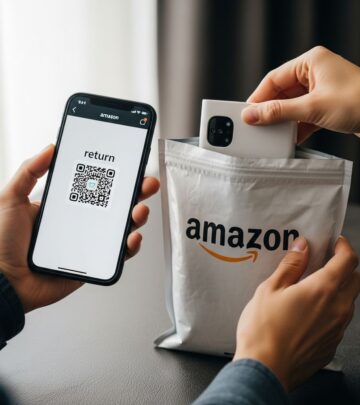
From February 8, 2026, all U.S. sellers must use prepaid labels, eliminating high-value exemptions. Supports Refund at First Scan; FBM gets 4-day refund window (up from 2 business days).
Benefits: Faster processing, fewer disputes; average e-com returns ~19%, higher in some categories.
Frequently Asked Questions (FAQs)
Does Amazon charge customers a return fee?
No, customers aren’t charged processing fees; policy covers eligible returns free within 30 days. Sellers pay for high rates.
What is the return rate threshold for fees?
Varies: 2.9%-12.8% by category; e.g., 4.7% for board games, 4.8% default. Check Seller Central.
Are clothing returns free from fees?
Yes, apparel and shoes are exempt from processing fees.
How do I check my return rates?
Use FBA Returns page and new Profit Analytics dashboard in Seller Central.
When are 2026 prepaid labels required?
Starting February 8, 2026, for all U.S. sellers—no high-value exceptions.
Other Amazon FBA Fee Changes in 2026
Beyond returns:
- Inbound Defects: $0.60/unit average for issues like late/abandoned shipments.
- Aged Inventory: Reduced removal fees (<$0.20/unit for small items).
- Liquidations: 15% referral + processing fees; helps clear stock.
Tools like Revenue Calculator aid previewing impacts.
References
- Amazon Return Policy Change in 2026: A Guide for Sellers — LitCommerce. 2026. https://litcommerce.com/blog/amazon-return-policy-change/
- Amazon Hikes US Fees in 2026: What Sellers Need to Know — Acadia. 2026. https://acadia.io/amazon-hikes-us-fees-in-2026-what-sellers-need-to-know
- Amazon’s New Policy in 2026: What POD Sellers Need to Know — Merchize. 2026. https://merchize.com/amazons-new-policy/
- Amazon Returns Processing Fee 2026 – How To AVOID it! — YouTube (EHP Consulting). 2026. https://www.youtube.com/watch?v=R5tJO5jk_Oc
- Amazon Prepaid Return Labels Remove High-Value Exception — MyAmazonGuy. 2026. https://myamazonguy.com/news/amazon-prepaid-return-labels-program/
- 2026 returns processing fee changes — Amazon Seller Central. 2026. https://sellercentral.amazon.com/help/hub/reference/external/GZGEQLTM3RZXUV6T?locale=en-US
Similar Articles








Read full bio of medha deb