Amazon Fake Sellers: 8 Red Flags And How To Avoid Scams
Spot fake Amazon sellers before they drain your wallet. Learn the red flags, scams, and smart shopping tips to stay safe.
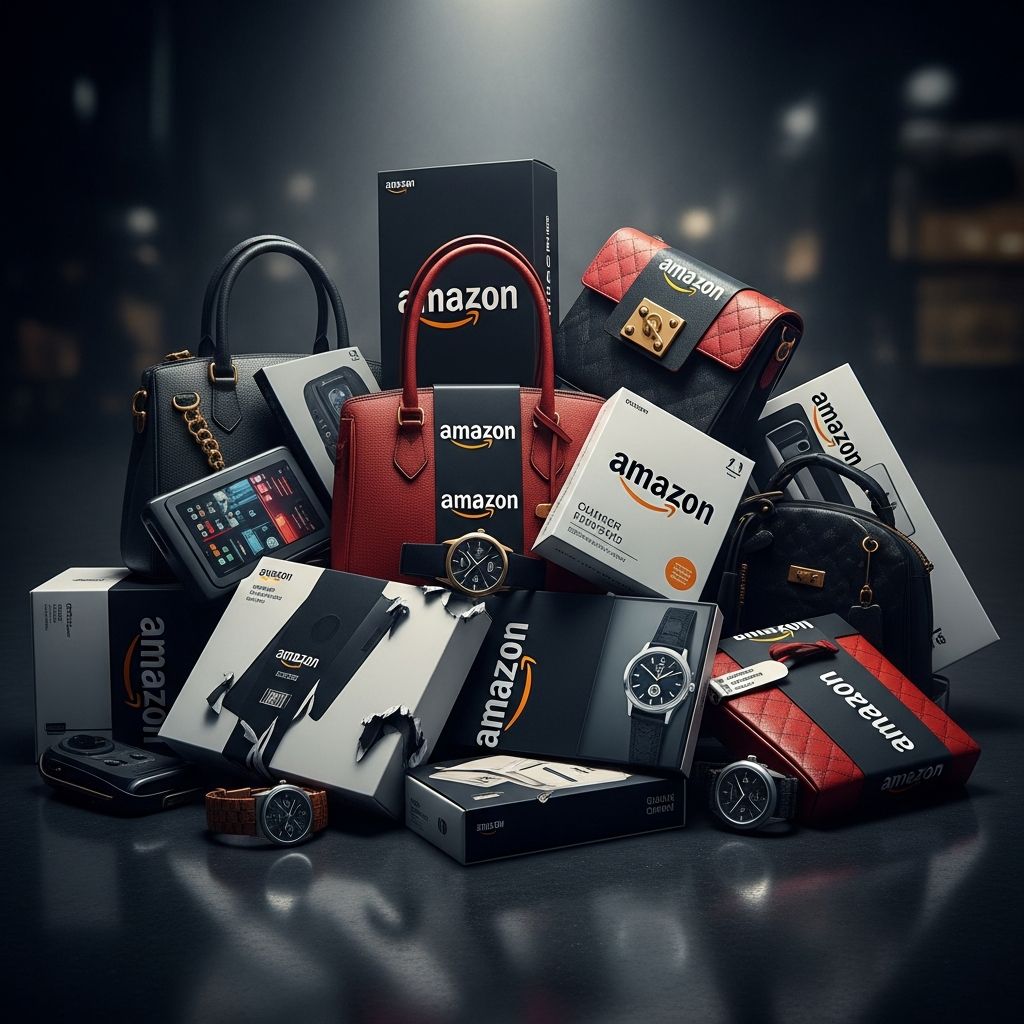
Shopping on Amazon is convenient, but fake sellers are everywhere, peddling counterfeits, hijacked listings, and outright scams. These fraudsters exploit Amazon’s massive marketplace to trick buyers into wasting money on junk or losing personal data. In 2026, with e-commerce booming, reports of bogus sellers have surged, costing consumers billions annually. This guide breaks down the most common fake seller types, red flags to watch for, and proven strategies to shop safely.
Why Fake Sellers Thrive on Amazon
Amazon’s open marketplace allows millions of third-party sellers, making it a hotspot for scammers. Fraudsters use tactics like listing hijacking—where they piggyback on legit product pages—and dropshipping fakes from overseas. According to industry experts, unauthorized sellers range from one-off opportunists to sophisticated counterfeit rings, often undercutting prices to grab the Buy Box. The result? Buyers get subpar products, while legit brands suffer reputational damage.
Common motivations include quick profits from arbitrage, liquidation overstock, or outright counterfeiting. Without vigilance, you could end up with knockoffs that break immediately or fall victim to phishing tied to shady listings.
The 8 Most Common Types of Fake and Unauthorized Amazon Sellers
Fake sellers come in many flavors, each with unique tactics. Understanding these helps you steer clear.
1. Individual One-Off Sellers
These are casual flippers with minimal experience, often selling 5 units or fewer via Fulfillment by Merchant (FBM). They snag products from clearance sales or personal stashes and list them cheaply for fast cash. While least harmful, they can trigger price wars, eroding brand minimum advertised prices (MAP). Red flag: Tiny inventory, FBM shipping, and prices just below competitors.
2. Arbitrage Opportunists and Dropshippers
“Amateur pros” scanning for deals, these sellers buy low elsewhere and resell high on Amazon. Dropshippers list thousands of items without stock, forwarding orders to suppliers—often at discounts that undercut legit prices. They exploit out-of-stock moments to jack up prices. Red flag: Suspiciously low prices on in-demand items, generic listings.
3. Liquidation Lot Buyers
These scavengers buy bulk returns from auctions, sorting salvageable items in garages for resale. The returns boom has fueled their rise, flooding Amazon with ‘like new’ but damaged goods. Red flag: Bulk listings of returned electronics or apparel at deep discounts.
4. Mom and Pop Shops
Small retailers dumping excess inventory from failing stores. They buy direct or from distributors, then violate MAP policies to compete online. Red flag: Listings mimicking big-box retailers with inconsistent pricing.
5. Smash & Grab Sellers
Gray-market hustlers grabbing store/kiosk products meant for in-person sales and flipping them online illicitly. Red flag: Products typically sold in physical retail appearing with ‘limited stock’ online.
6. Wholesale Distributors / Parallel Importers
Organized players with warehouses, contesting suspensions via legal loopholes like the first-sale doctrine. They import parallel goods cheaply. Red flag: High-volume listings from unfamiliar ‘distributors’ with overseas shipping.
7. Counterfeiters, Knockoff Artists, and Burglars
The worst offenders: China-based ops shipping fakes to FBA centers, or locals reselling Alibaba knockoffs. They mimic legit ASINs perfectly. Red flag: Unrealistic prices, poor images, or sudden listing changes.
8. Bogus Profile Scammers
New ‘just launched’ accounts with no reviews, offering half-price ‘new’ items sold as ‘used.’ They push off-platform emails. Red flag: Gmail contacts hidden in listings, round-number steals.
Top Amazon Seller Scams Targeting Buyers
Beyond unauthorized resellers, outright scams prey on shoppers.
- Listing Hijacking: Fraudsters add fake offers to legit ASINs, ship counterfeits or fake tracking.
- Phishing Emails: Fake ‘seller-performance@payments-amazon.com’ links steal logins.
- Mystery Boxes: Low-price ‘surprise’ bundles delivering junk after ‘surveys’.
- Hijacked Listings: Altered titles/images on trusted pages for cheap fakes.
- Brushing Scams: Unordered packages to fake reviews, leading to spam.
How to Spot Fake Amazon Sellers: Red Flags Checklist
Use this table to quickly vet sellers before buying.
| Red Flag | Description | Example |
|---|---|---|
| Too-Good Prices | Half retail or round numbers like $99.99 on luxury | iPhone for $300 vs. $1000 retail |
| New Seller Profiles | ‘Just launched’ with zero ratings | Bellseal Ltd with 24k bogus listings |
| FBM Only | No FBA, slow shipping promises | Merchant-fulfilled with vague timelines |
| Off-Platform Contact | ‘Email for deal’ with obfuscated Gmail | g m a i l @scam.com |
| Poor Photos/Descriptions | Stock images, typos, vague specs | Blurry pics, broken English |
| Fake Tracking/Refunds | Claims of ‘damaged’ for free returns | Empty boxes returned |
Real Buyer Horror Stories: Lessons from the Trenches
Take Sarah’s case: She bought a $200 ‘new’ blender from a hijacked listing. It arrived counterfeit, melted on first use. The seller vanished after fake tracking. Or Mike, scammed by a $50 mystery box yielding $2 trinkets after a ‘shipping fee’. These stories highlight the financial and frustration toll—always check seller metrics like feedback score over 95% and 100+ reviews.
Proven Ways to Avoid Fake Sellers and Save Money
- Stick to Amazon-Sold Items: Prime-eligible, fulfilled by Amazon (FBA) minimizes risks.
- Check Seller Profile: 98%+ feedback, thousands of orders, established date.
- Use Buy Box Wisely: Avoid outlier prices; hover for seller details.
- Enable 2FA & Alerts: Protect account from phishing.
- Report Suspicious Listings: Use ‘Report Abuse’ button immediately.
- Buy from Authorized Sellers: Check brand stores or verified lists.
- Use Credit Cards: For chargeback protection on disputes.
Tools like Jungle Scout or Keepa track price history and seller legitimacy. For brands, enforce MAP via Amazon Brand Registry.
Amazon’s Tools and Policies Against Fake Sellers
Amazon invests billions in AI detection, suspending 200M+ counterfeit listings yearly. Project Zero and Transparency help brands. Buyers: Use A-to-Z Guarantee for refunds on fakes. Still, vigilance is key—Amazon can’t catch everything.
Frequently Asked Questions (FAQs)
Q: How do I know if an Amazon seller is fake?
A: Look for low feedback (<95%), new accounts, unreal prices, FBM-only, or off-site contact requests. Always check via seller profile.
Q: What if I receive a counterfeit item?
A: Contact seller first, then open A-to-Z claim. Return for refund; report listing to Amazon.
Q: Are dropshippers on Amazon always scams?
A: Not always, but many violate policies by not stocking items. Prefer FBA sellers.
Q: Can I get a refund for a hijacked listing?
A: Yes, via A-to-Z Guarantee if item doesn’t match description.
Q: How common are Amazon fake seller scams?
A: Very—millions affected yearly, with counterfeits alone costing $500B globally.
Final Tips for Safe Amazon Shopping in 2026
Empower yourself: Research before clicking Buy. By spotting fake sellers early, you’ll save money, avoid headaches, and enjoy genuine products. Share this guide—stay scam-free!
References
- The 8 types of unauthorized sellers on Amazon — Brand Alignment. 2023. https://www.brandalignment.com/types-of-unauthorized-sellers/
- The Curious Case of Bogus Amazon Sellers — Wirednot. 2015-05-01. https://wirednot.wordpress.com/2015/05/01/the-curious-case-of-bogus-amazon-sellers/
- Amazon Seller Scams to Watch Out for in 2024 — Jungle Scout. 2024. https://www.junglescout.com/blog/seller-scams/
- Amazon Buyer Fraud Prevention: 10 Common Scams — My Amazon Guy. 2024. https://myamazonguy.com/selling-on-amazon/amazon-buyer-fraud-prevention/
- 14 sneaky Amazon scams and how to spot them — LifeLock by Norton. 2025-01-10. https://lifelock.norton.com/learn/fraud/amazon-scams
Similar Articles








Read full bio of Sneha Tete