Alvernia University: A Comprehensive Profile
Discover Alvernia University's academic excellence, career outcomes, and transformational education model.
Alvernia University: Profile and Overview
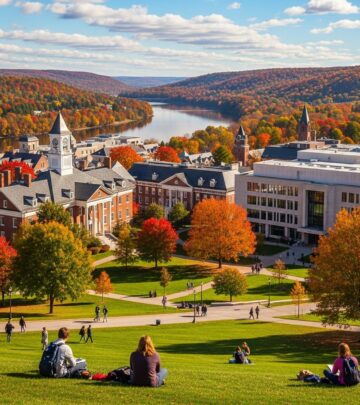
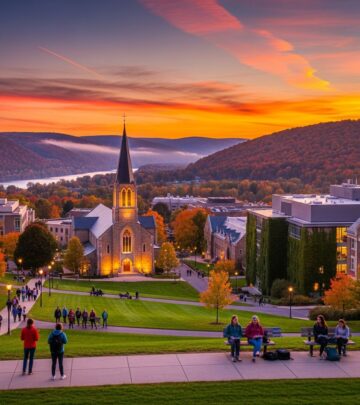
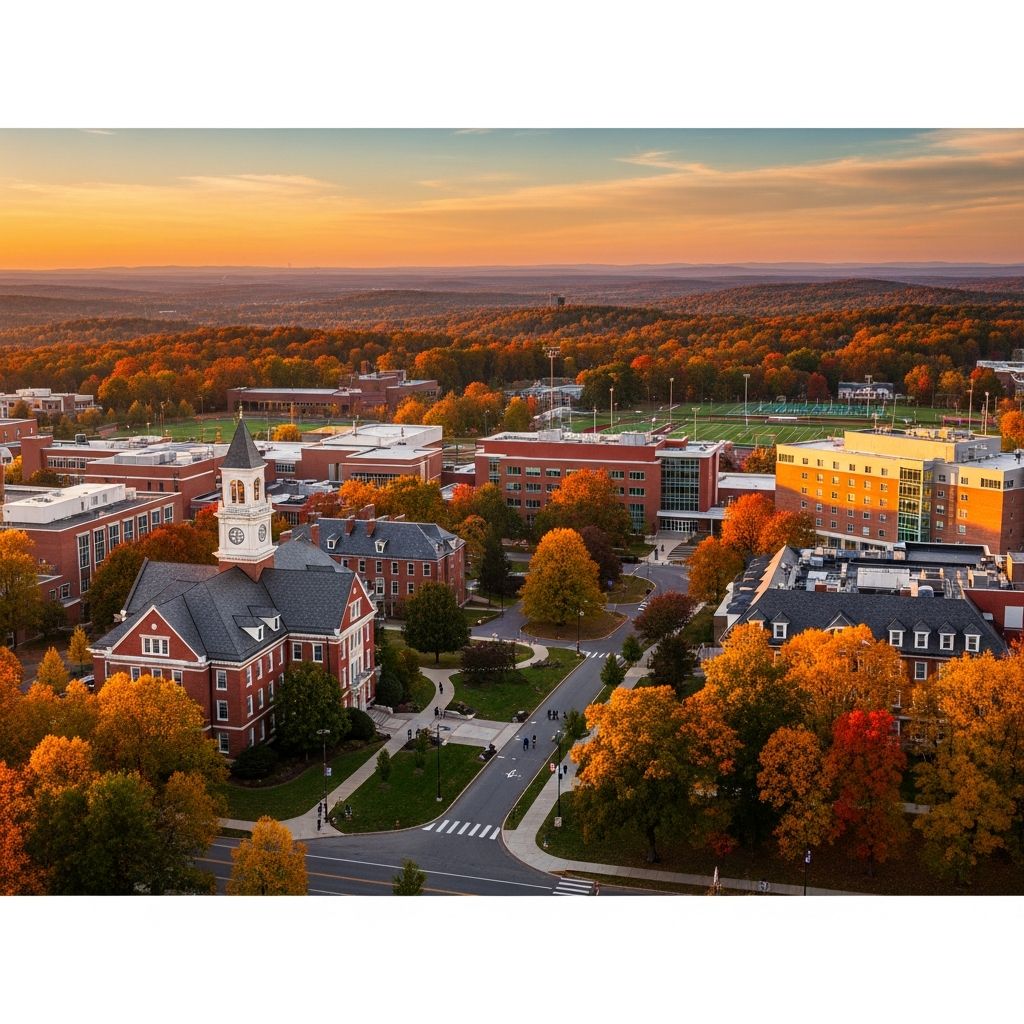
Alvernia University, located in Reading, Pennsylvania, stands as a private Franciscan institution dedicated to transforming students into ethical leaders with moral courage. Founded in 1958 by the Bernardine Sisters of the Third Order of St. Francis, the university has evolved from a small liberal arts college into a nationally recognized comprehensive regional university. Today, it serves approximately 3,000 students on its 191-acre main campus, situated just three miles from downtown Reading and conveniently positioned within driving distance of major metropolitan areas including Philadelphia, New York, Baltimore, and Washington, D.C.
The university earned the prestigious 2024 Best National University designation by U.S. News & World Report, marking the third consecutive year of this recognition. This achievement reflects Alvernia’s commitment to academic excellence and its rising prominence in higher education rankings.
The Alvernia Advantage: A Unique Educational Model
At the heart of Alvernia’s mission lies the Alvernia Advantage, a transformational education model that combines multiple pedagogical approaches into a cohesive learning experience. This distinctive framework weaves together rigorous liberal arts core education, strong technical training in high-demand majors, experiential learning through study abroad and internship programs, and deep engagement with the community through Franciscan-based service initiatives.
The Alvernia Advantage produces measurable results: 95% of students are either employed or enrolled in graduate programs within six months of graduation. This exceptional career placement rate underscores the effectiveness of the university’s educational philosophy and its commitment to preparing students not just for employment, but for meaningful lives of purpose and impact.
Academic Programs and Offerings
Undergraduate Education
Alvernia offers more than 50 undergraduate majors and minors across diverse disciplines, each uniquely combined with a strong liberal arts foundation. This approach ensures that students develop critical thinking skills, enhanced communication abilities, and a deeper understanding of human behavior—competencies essential for success in any field.
The university’s academic structure includes several colleges: the College of Health Sciences, College of Humanities, Education, and Social Sciences, and the College of Innovation, Discovery and Enterprise. This organizational framework allows for specialized expertise while maintaining the liberal arts emphasis that characterizes an Alvernia education.
Graduate and Professional Programs
Beyond undergraduate offerings, Alvernia provides comprehensive graduate education through master’s degrees in athletic training, business administration, clinical counseling, education, leadership, nursing, occupational therapy, physician assistant, and social work. Additionally, the university offers doctoral programs including a Doctor of Physical Therapy (DPT), Doctor of Philosophy in Leadership (Ph.D.), and Doctor of Nursing Practice (DNP).
High-Impact Practices and Experiential Learning
Alvernia integrates high-impact educational practices throughout its curriculum, ensuring every student engages in meaningful learning beyond traditional classroom instruction. These practices include:
- First-Year Seminars and Experiences
- Common Intellectual Experiences
- Learning Communities
- Writing-Intensive Courses
- Collaborative Assignments and Projects
- Undergraduate Research
- Diversity and Global Learning
- Service-Learning and Community-Based Learning
- Internships, Co-ops, and Practicums
- Capstone Courses and Projects
Every Alvernia student engages in at least one form of real-world learning, whether through internships, research work, practicums, or community service projects. This commitment ensures that students graduate not only with theoretical knowledge but with practical experience applicable immediately in their professional endeavors.
The Search Seminar: Foundation for Success
All new Alvernia students participate in Search Seminar, a three-credit course specifically designed for first-year college students. This required course promotes academic success, personal growth, and community engagement by emphasizing the expectations and values of Alvernia’s academic community.
Search Seminar focuses on five key areas: enduring questions, self-reflection, the liberal arts tradition, academic advising, and educational planning. Through this structured transitional experience, students develop awareness, engagement, and intentionality as learners. They explore college life through diverse co-curricular activities while receiving essential guidance for their academic journey ahead.
Faculty Commitment and Student Support
Alvernia’s faculty members are accomplished scholars and experts in their respective fields who prioritize student success above all else. Many professors regularly publish books and articles, present research at national and international conferences, and serve as media experts in their disciplines. However, their primary commitment remains teaching.
With a student-to-faculty ratio of 12:1 and average class sizes of fewer than 20 students, Alvernia ensures personalized attention. Faculty serve not only as instructors but also as advisors and mentors, spending substantial time with students to help them acquire the knowledge and skills essential for post-graduation success. This supportive environment fosters student confidence in problem-solving, decision-making, and leadership development.
Campus Life and Community Engagement
Beyond academics, Alvernia offers extensive opportunities for personal growth and community building. The university features more than 50 campus clubs and organizations catering to diverse interests, providing students with lifestyle-relevant skills applicable across any industry. Additional activities include intramural sports, research projects, and academic societies, creating a vibrant residential community.
The campus infrastructure supports student wellbeing with facilities including dining services, residential accommodations, theatre productions, sports centers, and health and wellness centers. The O’Pake Institute represents a key strategic initiative partnering with external organizations to empower student fellows through distinctive training and certification programs. The Powered by O’Pake initiative serves as a catalyst for local economic development and entrepreneurship, positioning students and faculty as drivers of community enrichment.
Location and Regional Context
Alvernia’s location in Berks County, Pennsylvania provides the ideal blend of suburban tranquility and urban accessibility. Situated three miles from Reading’s historic downtown, the university positions students within reasonable driving distance of major metropolitan centers. Philadelphia, New York, Baltimore, and Washington, D.C. are all accessible, expanding internship opportunities, cultural experiences, and networking possibilities.
The 191-acre main campus provides ample space for academic buildings, recreational facilities, and residence halls while maintaining an intimate institutional size. The university’s comprehensive campus life supports both academic pursuits and extracurricular development.
Rankings and Recognition
Alvernia’s academic standing has strengthened significantly in recent years. The university climbed 21 spots in the U.S. News & World Report rankings to achieve placement among the top 300 national universities. This recognition as a 2024 Best National University for the third consecutive year reflects consistent improvement in academic quality, student outcomes, and institutional reputation.
Beyond U.S. News rankings, Alvernia maintains recognition from the Colleges of Distinction program, acknowledging its commitment to rigorous academics, vibrant student communities, and transformational learning experiences.
Pre-Professional Programs
For students pursuing advanced professional education, Alvernia provides comprehensive pre-professional preparation in dentistry, law, medicine, pharmacy, and veterinary studies. These specially designed curricula ensure that students develop the academic foundation and practical experience necessary for success in professional school admissions and subsequent careers in these competitive fields.
Institutional History and Development
Alvernia’s journey reflects its evolving mission and expanding scope. Originally established as an institution for religious sisters, the college gradually opened to lay students beginning in 1961. The expansion to male commuting students in 1971 and male residential students in 1973 broadened the community’s diversity. In 2008, recognizing the institution’s comprehensive offerings and expanded mission, the Pennsylvania Department of Education granted Alvernia College university status, creating Alvernia University.
The university received its charter from the Commonwealth of Pennsylvania in 1960 and earned initial accreditation in 1967 from the Commission of Middle States Association of Colleges and Secondary Schools, ensuring that academic programs meet rigorous standards.
Why Choose Alvernia University?
Alvernia distinguishes itself through several defining characteristics that resonate with diverse student populations:
- Proven Career Outcomes: With 95% of graduates employed or in graduate school within six months of graduation, Alvernia delivers tangible return on investment.
- Comprehensive Academic Offerings: The university’s 50+ undergraduate majors combined with robust graduate and professional programs provide pathways for varied educational goals.
- Experiential Learning Integration: Every student engages in real-world learning through internships, research, practicums, or service projects, ensuring practical preparation alongside theoretical knowledge.
- Supportive Community: The small student-to-faculty ratio and intimate class sizes foster meaningful mentoring relationships and personalized academic support.
- Values-Centered Education: The Franciscan mission cultivates ethical leadership and social responsibility, encouraging graduates to make positive contributions to their communities and professions.
- Strategic Location: Proximity to major metropolitan areas expands opportunities while maintaining a comfortable campus environment.
- Rising Academic Reputation: Consistent ranking improvements and national recognition validate the quality of Alvernia’s educational experience.
Frequently Asked Questions
Q: What is the Alvernia Advantage?
A: The Alvernia Advantage is a transformational education model combining rigorous liberal arts core education, strong technical training, experiential learning through study abroad and internships, and community engagement through Franciscan-based service initiatives. This integrated approach produces graduates who are ethical leaders prepared for meaningful careers and purposeful lives.
Q: What is the student-to-faculty ratio at Alvernia?
A: Alvernia maintains a 12:1 student-to-faculty ratio with average class sizes of fewer than 20 students, ensuring personalized attention and meaningful faculty-student interactions.
Q: What career outcomes can students expect?
A: 95% of Alvernia graduates are either employed or enrolled in graduate programs within six months of graduation, reflecting the university’s effective preparation for professional success.
Q: How many undergraduate majors does Alvernia offer?
A: Alvernia offers more than 50 undergraduate majors and minors, combined with a strong liberal arts foundation to develop critical thinking, communication, and understanding of human behavior.
Q: What graduate programs are available?
A: Alvernia offers master’s degrees in athletic training, business administration, clinical counseling, education, leadership, nursing, occupational therapy, physician assistant, and social work. The university also provides doctoral programs including DPT, Ph.D. in Leadership, and DNP.
Q: Is experiential learning required at Alvernia?
A: Yes, every Alvernia student engages in at least one form of real-world learning through internships, research projects, practicums, or service-learning initiatives, ensuring practical preparation alongside classroom instruction.
Q: What is Search Seminar?
A: Search Seminar is a required three-credit course for first-year students designed to promote academic success, personal growth, and community engagement. It focuses on five key areas: enduring questions, self-reflection, liberal arts tradition, academic advising, and educational planning.
Q: How is Alvernia ranked nationally?
A: Alvernia earned the 2024 Best National University designation by U.S. News & World Report for the third consecutive year after climbing 21 spots in rankings to achieve placement among the top 300 national universities.
References
- Alvernia University | College of Distinction — Colleges of Distinction. 2024. https://collegesofdistinction.com/school/alvernia-university/
- U.S. News & World Report names Alvernia a top-ranked national university — Alvernia University. 2024-09-17. https://www.alvernia.edu/news/2024/09/us-news-world-report-names-alvernia-top-ranked-national-university-third-consecutive-year
- Alvernia University – Wikipedia — Wikimedia Foundation. 2024. https://en.wikipedia.org/wiki/Alvernia_University
- Rankings & Facts – Alvernia University — Alvernia University Official Website. 2024. https://www.alvernia.edu/about/rankings-facts
- About Alvernia University — Alvernia University Official Website. 2024. https://www.alvernia.edu/about
- Alvernia climbs 21 spots in U.S. News & World Report rankings — Alvernia University. 2023-09-15. https://www.alvernia.edu/news/2023/09/alvernia-climbs-21-spots-us-news-world-report-rankings
Similar Articles








Read full bio of medha deb