6 Ways to Get Around on Vacation Without Rental Cars
Discover budget-friendly alternatives to expensive car rentals for your next vacation getaway.

Vacation planning should be exciting, but the rising cost of car rentals has become a significant burden for many travelers. When rental car prices soar to unprecedented levels—with midsize SUVs costing upwards of $190 to $250 per day in major cities—finding alternative transportation becomes not just practical but essential for budget-conscious vacationers. The shortage of available rental vehicles, coupled with increased demand, has created a perfect storm of escalating prices. Fortunately, savvy travelers now have multiple options to explore, allowing them to enjoy their vacations without breaking the bank on transportation costs.
Understanding the Rental Car Crisis
The current landscape of car rental pricing reflects a significant market shift. When travel restrictions eased and people began vacationing again, rental car companies found themselves unprepared to meet demand. Many had sold thousands of vehicles from their fleets during periods of reduced travel, creating a substantial shortage. This scarcity has driven prices to record highs, making traditional car rental an increasingly expensive proposition. In response, creative travelers are discovering that numerous viable alternatives exist, each offering distinct advantages depending on their specific vacation needs and destination.
1. Explore Car-Sharing Services
Car-sharing platforms have revolutionized personal transportation by bringing the sharing economy concept directly to vehicle rentals. Think of it as Airbnb for cars—you access privately owned vehicles through a dedicated app or website, giving you access to a diverse fleet of personal vehicles rather than standard rental company inventory.
How Car-Sharing Works
Car owners list their vehicles on these platforms and earn income by renting them out. All participating car owners must maintain proper insurance coverage and ensure their vehicles receive required maintenance. Renters must meet standards comparable to traditional rental companies, including having a valid driver’s license and meeting age requirements. This system creates a trustworthy ecosystem where both vehicle owners and renters are protected.
Major Car-Sharing Platforms
Two national leaders dominate the car-sharing market: Turo, operating for over a decade, and Getaround, serving more than a dozen major cities. Additionally, regional alternatives serve specific markets, such as eGo CarShare in Denver and Boulder, Colorado, and Hui Car Share in Hawaii. This geographic diversity means travelers can often find car-sharing options in their chosen destinations.
Cost Comparison
The cost savings through car-sharing can be substantial. For a four-day weekend rental in June in Chicago, Turo offered a 2018 Ford Escape SUV for $50 daily or a 2010 Toyota Corolla for $39 daily, while Getaround priced a comparable newer vehicle at $91 per day. Both services offer 24-hour roadside assistance when available, providing peace of mind during your travels.
Important Considerations
One limitation to note: some airports prohibit Turo vehicle owners and renters from exchanging keys at the airport terminal. In these cases, you’ll need to arrange pickup at a nearby off-airport location. This minor inconvenience is often worth the significant savings compared to traditional rental companies.
2. Consider Zipcar for Short-Term Vehicle Needs
Zipcar, owned by Avis Budget Group, traditionally caters to people who prefer not to own vehicles but need occasional access to cars. Originally popular with college students and urban professionals, Zipcar has evolved into a viable vacation rental solution as traditional car rental prices have skyrocketed.
How Zipcar Operates
Members access vehicles through a special access code that unlocks cars directly from their smartphone, eliminating the need to visit rental offices. This streamlined process makes vehicle access quick and convenient, perfect for vacation travelers who want to minimize time spent on logistics.
Zipcar Pricing Structure
Zipcar generally charges approximately $11 per hour and $80 to $90 per day. Even accounting for a monthly membership fee of $7, Zipcar often costs significantly less than traditional rental companies. This pricing structure makes Zipcar an attractive option for vacationers planning shorter vehicle usage during their trips.
3. Borrow From Friends and Family
Sometimes the most economical solution is also the simplest: borrowing a vehicle from someone you know. This approach costs nothing and can strengthen relationships with friends and family who are happy to help.
Making the Ask
Before your trip, inform friends and family in your destination area about your travel plans. Many people are genuinely pleased to offer vehicle access to visitors. Beyond the obvious financial savings, borrowing a car lets you experience how locals actually navigate their community, often discovering hidden gems and authentic experiences you might miss from a rental car.
Practical Tips
When borrowing a car, ensure you have the owner’s permission to drive it in other states if applicable, verify that their insurance covers additional drivers, and offer to cover gas and perhaps contribute toward maintenance or insurance. Treating a borrowed vehicle with exceptional care demonstrates appreciation and encourages your friends to lend again if needed.
4. Vacation in Cities with Excellent Public Transportation
Choosing a destination with robust public transportation eliminates your need for a rental car entirely. Cities with comprehensive transit systems offer travelers genuine freedom without the burden of navigating unfamiliar roads or paying for parking.
Public Transportation Options
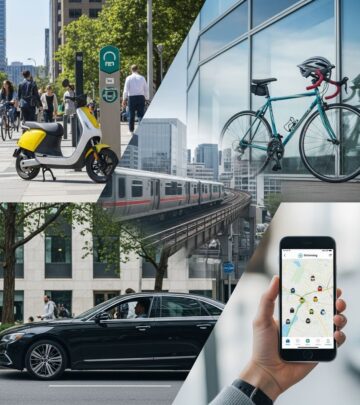
Many major cities operate light rail systems, trolleys, streetcars, buses, and underground metro systems that efficiently connect travelers to virtually all major attractions and neighborhoods. Most cities offer airport express services that transport visitors directly from the airport to downtown areas at a fraction of traditional taxi or ride-sharing costs.
Cost-Effective Transit Passes
Transit passes in many cities cost approximately $5 per day and allow unlimited rides throughout the transit system. Some cities offer even cheaper options or free transit on specific days. Compared to $190 to $250 daily rental car costs, public transportation represents extraordinary savings.
Bike Rental Options
Hundreds of cities and towns feature self-service bike rental stations conveniently located throughout urban areas. Many locations also offer electric bike rentals, which provide pedal assistance to help riders reach speeds of 20 to 28 miles per hour with moderate pedaling effort. Biking combines exercise, environmental responsibility, and authentic local exploration at minimal cost.
5. Utilize Ride-Sharing and Taxi Services
Modern ride-sharing services like Uber and Lyft offer flexible, on-demand transportation without the commitment of daily rental car costs. For vacations where you won’t need a vehicle for extended periods, ride-sharing provides greater flexibility than renting a car for the entire stay.
When Ride-Sharing Makes Sense
If your vacation primarily involves staying at a resort, visiting attractions within a walkable distance, or staying in areas with strong public transportation networks, ride-sharing services may prove more economical than renting a car. Calculate the estimated costs for your anticipated transportation needs before deciding.
6. Fly to Your Second Destination Instead of Driving
Multi-destination vacations sometimes include plans to drive to secondary locations, but flying might actually cost less. Many budget airlines offer one-way flights for $19 to $50, making flying competitive with or cheaper than paying for a multi-day car rental.
The Economics of Flying
If your vacation includes driving to a second destination 300 or more miles away, researching budget airline options could yield significant savings. A three-day car rental often costs $600 or more, placing many one-way flights within reach. Budget airlines frequently offer competitive pricing, especially during off-peak travel seasons.
Finding Cheap Flights
Utilize flight comparison websites, set price alerts, and consider flexible travel dates to maximize savings. Arriving at a secondary destination by flying leaves you the option of using car-sharing services, public transportation, or ride-sharing specific to that location rather than committing to a multi-day rental.
Comparing Your Options: A Quick Reference
| Transportation Method | Best For | Estimated Daily Cost | Key Advantage |
|---|---|---|---|
| Car-Sharing (Turo/Getaround) | Medium-distance travel, flexible schedules | $39-$91 | Diverse vehicle selection, competitive pricing |
| Zipcar | Short-term needs, urban exploration | $80-$90 | Quick access, simple pricing |
| Borrowed Vehicle | Destinations where you have connections | Free (gas only) | Maximum savings |
| Public Transportation | Major cities with transit networks | $5 | Lowest overall cost, no driving stress |
| Ride-Sharing | Limited, occasional transportation needs | Variable (typically $15-$25 per trip) | Maximum flexibility |
| Budget Airlines | Multi-destination trips 300+ miles apart | $19-$50 one-way | May beat driving costs |
Planning Your Vacation Transportation Strategy
Selecting the right transportation option requires analyzing your specific vacation needs. Consider the duration of your trip, distances you’ll travel, nature of your activities, and number of travelers. A family visiting Disneyland might be better served by Zipcar or ride-sharing, while a group exploring the wine country might prefer car-sharing for flexibility. Vacationers visiting New York, San Francisco, or Chicago can eliminate car rental entirely by using public transportation and occasional ride-sharing.
Research your destination thoroughly before booking accommodations. If your chosen area has excellent public transportation and your activities center around walkable neighborhoods, eliminating vehicle rental saves both money and stress. Budget-conscious travelers should compare all options based on their specific itinerary rather than assuming rental cars are necessary.
Frequently Asked Questions
Q: Is car-sharing insurance adequate for vacation travel?
A: Yes, car-sharing platforms like Turo and Getaround provide built-in insurance coverage. Most policies include collision coverage, liability protection, and roadside assistance. Review specific coverage details for your chosen platform, and consider purchasing additional insurance if desired.
Q: Can I book car-sharing vehicles in advance?
A: Yes, both Turo and Getaround allow advance reservations. Booking several weeks ahead often provides better vehicle selection and potentially lower rates. Popular destinations and peak seasons may have limited availability, so early booking is recommended.
Q: What happens if a borrowed car breaks down during my vacation?
A: Clarify breakdown responsibilities before borrowing. Typically, the vehicle owner’s insurance covers repairs. However, establish whether you or the owner will handle repairs, and ensure roadside assistance is available through the vehicle’s insurance policy.
Q: Are ride-sharing services available in all vacation destinations?
A: Ride-sharing services operate in major cities but may have limited or no availability in rural areas. Check service availability for your destination before relying on them as your primary transportation option.
Q: How far in advance should I book car-sharing or Zipcar for vacation?
A: Booking 2-4 weeks in advance provides good selection while allowing flexibility. Popular vacation destinations during peak seasons may require earlier reservations. Last-minute bookings are sometimes possible but may have limited vehicle availability or higher pricing.
Q: Can I use these alternatives for one-way trips?
A: Car-sharing services typically require returning vehicles to the same location. Zipcar operates similarly with defined service areas. For true one-way transportation, consider flying to your destination or using public transit combined with ride-sharing services.
Final Thoughts
Rising car rental prices no longer need to dictate your vacation plans or budget. By exploring the six alternatives outlined above, travelers can enjoy their vacations without the financial burden of expensive daily rental car fees. Whether you choose car-sharing platforms, public transportation, borrowed vehicles, or a combination of methods, cost-effective transportation options exist for virtually every vacation scenario. The key is planning ahead, researching your destination’s transportation infrastructure, and selecting the option that best aligns with your specific travel needs. Start exploring these alternatives today and reclaim vacation budgets previously consumed by rental car companies.
References
- 6 Ways to Get Around on Vacation and Avoid Sky-High Car Rental Costs — The Penny Hoarder. 2025. https://www.thepennyhoarder.com/save-money/alternatives-to-car-rental/
- Turo Car Sharing Platform — Turo, Inc. Accessed January 2026. https://turo.com/
- Getaround Car Sharing Service — Getaround, Inc. Accessed January 2026. https://www.getaround.com/
- Zipcar Vehicle Sharing — Zipcar, Inc. Accessed January 2026. https://www.zipcar.com/
Similar Articles








Read full bio of Sneha Tete