Budget-Friendly Alternatives to Disposable Plastic Water Bottles
Cut costs and reduce waste with smart alternatives to expensive bottled water.
Staying hydrated is essential for maintaining both mental and physical function. However, purchasing bottled water regularly can become a significant expense for your household budget. With over 100 million plastic bottles used every day around the world, the environmental impact of single-use water bottles is equally concerning. The good news is that there are numerous practical and affordable alternatives to buying bottled water that can help you save money while making an environmentally responsible choice.
Whether you’re looking for budget-conscious options or willing to invest in features that enhance your hydration experience, this comprehensive guide covers everything you need to know about moving away from disposable water bottles.
Reusable Bottle Options: Your First Step
The most straightforward solution to disposable water bottles is investing in refillable water bottles that you can fill yourself. This simple switch is better for your wallet, health, and the environment. The key strategy is to keep one bottle at home, one at work, and one in your car so you always have access to water without needing to purchase single-use bottles.
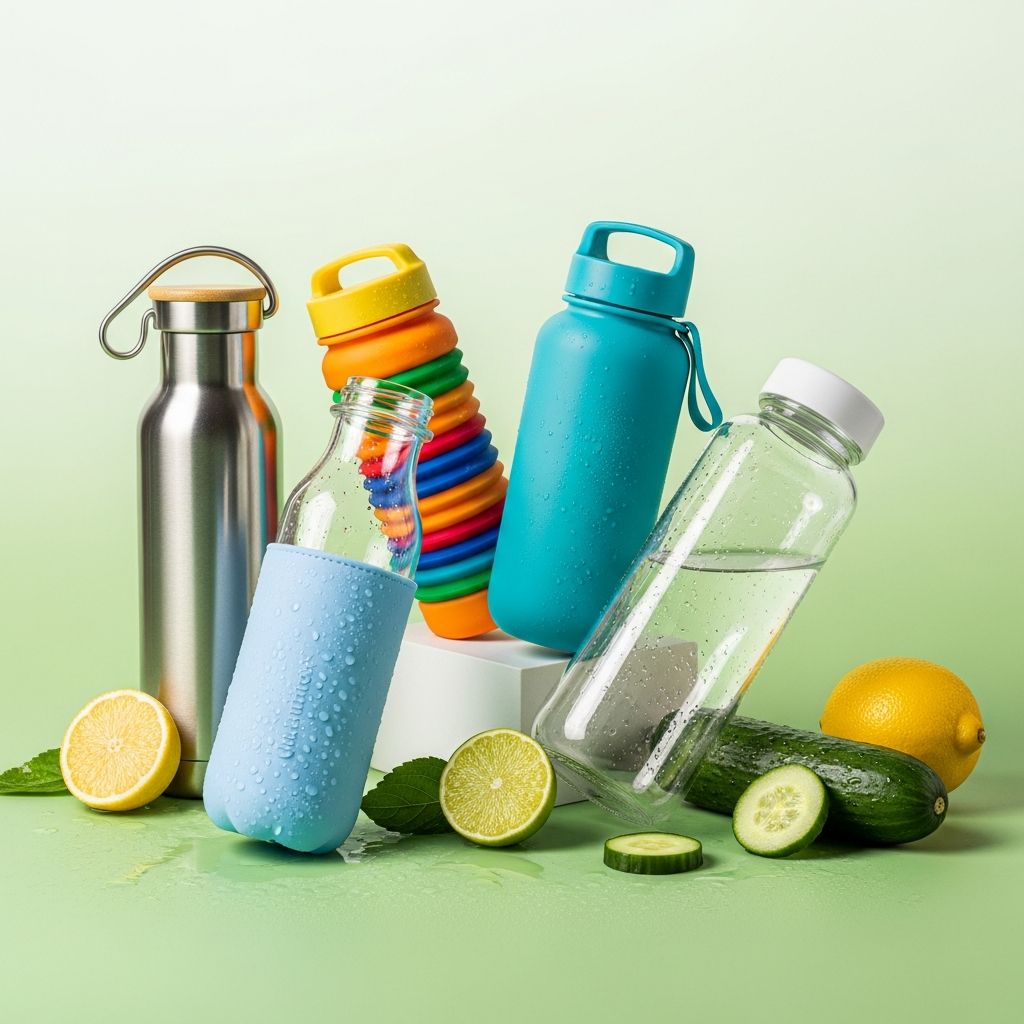
Reusable bottles come in various materials, each with distinct advantages. Understanding these options will help you choose the right bottle for your needs and lifestyle.
Glass Bottles
Glass bottles are the best choice if you want to ensure your water remains free from contamination by other flavors or chemicals. Glass provides an inert surface that won’t leach substances into your water, maintaining pure taste throughout the day.
Shatter-resistant reusable glass bottles are available, though they may be more challenging to recycle because they’re manufactured differently from regular glass containers. Glass bottles typically come with protective sleeves to prevent breakage and damage.
You can choose between insulated and uninsulated glass bottles. While insulated versions are slightly heavier, they keep your water tasting fresher and maintain the desired temperature longer, making them ideal for extended outdoor activities.
Plastic Bottles
Plastic is the most common and usually the least expensive reusable bottle material available. These bottles come in all sizes, and many can be folded or compressed to fit conveniently in a glove compartment, desk drawer, or backpack until you need them.
Plastic reusable bottles typically represent the lightest option, even among insulated models. However, it’s crucial to ensure your plastic bottle was not manufactured with BPA (Bisphenol A), a chemical that can leach into your water. The easiest way to check is by looking at the recycling information on the bottle’s bottom—avoid bottles marked with recycling codes 3 or 7. Additionally, look for explicit BPA-free labeling on the product.
It’s important to note that reusing single-use plastic water bottles is not recommended. The chemicals in disposable bottles break down after a few uses, potentially contaminating your water.
Reusable Bottle Price Range Guide
Reusable water bottles are available at virtually every price point, allowing you to find an option that matches your budget and lifestyle needs.
Free Options
The most budget-friendly option is free. Reusable bottles are frequently given away as branded items at events, conferences, and promotional activities. Don’t hesitate to grab these quality bottles when available.
You can also repurpose items you already own. Clean glass jars work excellently for carrying water, though they may draw curious looks if the original label is still visible. Rinsed-out to-go coffee cups can serve as emergency water containers when you need a quick hydration solution.
Basic but Cheap ($1–$10)
You’ll find numerous reusable water bottles for just a few dollars if you’re willing to skip premium features and extras. Discount department stores like TJ Maxx typically stock shelves full of affordable bottles, while dollar stores usually carry reusable options for under $5.
Local thrift stores offer another excellent opportunity to score name-brand water bottles at significantly reduced prices. Thanks to the popularity of high-end stainless steel bottles, thrift stores often receive quality donations from people clearing out their collections—allowing you to get premium bottles at bargain prices.
Mid-Range Price with Extra Features ($12–$25)
If you have some extra dollars to spend on features that aren’t strictly necessary but enhance your daily hydration experience, mid-range bottles are worth considering. These options come equipped with practical extras like storage compartments for snacks, fruit infusers for flavored water, and even wireless speakers for entertainment while you hydrate.
These bottles are perfect for someone who wants to customize their water-drinking experience with convenient add-ons that make consuming water throughout the day more enjoyable and interesting.
Tap Water Filtration Options
Beyond investing in a reusable bottle, filtering your tap water significantly reduces costs compared to bottled water purchases. Several filtration methods are available, each with different upfront costs and daily expenses. When evaluating options, it’s essential to understand both the equipment costs and the cost per day to determine your break-even point against purchasing disposable bottled water.
Pitcher Water Filters
How It Works: Pitcher water filters are incredibly simple to use. Simply fill the pitcher by pouring tap water through the filter built into its lid, store it in your refrigerator for a cold drink, and refill as needed.
Cost Breakdown:
- Initial pitcher system: $20
- Replacement filters for six months: $18.25 (each filter lasts approximately two months)
- Daily cost: 76 cents
- Break-even point: 23 dollar bottles of water
This makes pitcher filters an excellent starting point for most households, as you’ll recover your initial investment relatively quickly.
Refillable Five-Gallon Jugs
How It Works: Many grocery stores, big box retailers, and home improvement stores sell refillable plastic five-gallon jugs of water. Simply return your empty jugs to the store, refill them at the water kiosk, and take them home.
Cost Breakdown:
- Initial cost per bottle: $15
- Refill cost: $8 (at local Publix supermarkets)
- Hand press pump: $9 (optional, reduces physical effort)
- Additional transportation costs may apply
- Daily cost: 53 cents
- Break-even point: 32 dollar bottles of water
While requiring more effort than pitcher filters, this option provides the lowest daily cost and is ideal for families with high water consumption.
Water Delivery Service
How It Works: For maximum convenience, water delivery services bring refillable five-gallon jugs directly to your door. The company handles replacements when your bottles run empty.
Cost Breakdown:
- Monthly cost: $45 on average (includes 15 gallons of filtered water and dispenser)
- Daily cost: $1.23
- Break-even point: 17 dollar bottles of water
This service offers the highest convenience level, making it ideal for those with busy schedules who prioritize ease over lowest cost.
Cost Comparison Table
| Filtration Method | Initial Investment | Cost Per Day | Break-Even Point (Dollar Bottles) |
|---|---|---|---|
| Pitcher Water Filters | $20 | $0.76 | 23 |
| Refillable 5-Gallon Jugs | $24 (bottle + pump) | $0.53 | 32 |
| Water Delivery Service | Equipment included | $1.23 | 17 |
Making Your Choice: Key Considerations
When selecting an alternative to bottled water, consider several factors that affect your daily life and budget:
- Daily water consumption: Higher consumption makes larger upfront investments more economical through lower daily costs
- Available space: Apartment dwellers may prefer pitcher filters over five-gallon jug systems requiring storage space
- Physical ability: Manual water jug handling might necessitate a hand pump or delivery service instead
- Water quality concerns: If tap water quality is questionable, a delivery service or advanced filtration becomes worthwhile
- Convenience preference: Balance cost savings against the time and effort required for your chosen method
- Environmental commitment: All alternatives significantly reduce plastic waste compared to single-use bottles
Frequently Asked Questions
Q: How much money can I save by switching to a reusable water bottle?
A: Savings depend on your current bottled water consumption. If you purchase one dollar bottle daily, you’d spend $365 annually. Switching to pitcher filters costs approximately $277 per year ($20 upfront plus $257 for filters), saving roughly $88 annually. Five-gallon jugs cost approximately $194 per year, saving around $171. These savings increase significantly with higher consumption rates.
Q: Is tap water safe to drink without filtration?
A: Tap water safety varies by location. Many municipal water systems provide safe drinking water, but filtration can improve taste and potentially remove additional contaminants. Contact your local water utility for quality reports specific to your area before deciding on filtration necessity.
Q: How often should I replace pitcher water filter cartridges?
A: Most pitcher filters last approximately two months before requiring replacement. Frequency depends on water quality, usage volume, and specific filter model. Check your filter manufacturer’s recommendations for your particular product.
Q: Can I refill five-gallon jugs at home instead of at stores?
A: Some specialty retailers and water stations offer refill options, but most require purchasing pre-filled jugs from retailers. Some advanced home filtration systems can fill your own containers, though these require significant upfront investment.
Q: What’s the environmental impact of different reusable bottle materials?
A: Glass and stainless steel bottles are infinitely recyclable with minimal degradation. Plastic bottles can be recycled but may degrade after multiple cycles. All reusable options significantly reduce environmental impact compared to single-use plastic bottles, which typically aren’t recycled and persist in environments for centuries.
Q: Should I be concerned about BPA in all plastic bottles?
A: Look for bottles with recycling codes 1, 2, 4, 5, or 6, and avoid codes 3 and 7. Most modern reusable plastic bottles are BPA-free, but checking the label ensures you’re purchasing a safe product. Many manufacturers now prominently display “BPA-free” certification on their bottles.
Start Your Transition Today
Moving away from bottled water is one of the simplest ways to reduce household expenses while supporting environmental sustainability. Whether you choose a free promotional bottle, an affordable pitcher filter system, or a convenient delivery service, you’ll immediately begin saving money with every glass of water you drink.
The financial benefits compound over time—a family saving just $100 annually on water adds up to thousands of dollars over a decade. Combined with the positive environmental impact of reducing plastic waste, switching to reusable bottles and filtration systems is a win-win decision for your wallet and the planet.
References
- Smart Alternatives to Wasting Money on Bottled Water — The Penny Hoarder. 2024. https://www.moneytalksnews.com/slideshows/smart-alternatives-to-bottled-water/
- 5 Budget-Friendly Alternatives to Disposable Plastic Water Bottles — The Penny Hoarder. 2024. https://www.thepennyhoarder.com/save-money/alternatives-to-bottled-water/
Similar Articles








Read full bio of medha deb