Allstate Renters Insurance: Coverage, Costs & Policy Guide
Complete guide to Allstate renters insurance: coverage options, costs, benefits, and how to choose the right policy.

Understanding Allstate Renters Insurance
Renters insurance is a vital protection for anyone who rents an apartment, house, or other residential property. Unlike homeowners insurance, which covers the structure itself, renters insurance protects your personal belongings and provides liability coverage in case someone is injured on your rented premises. Allstate offers comprehensive renters insurance policies designed to give renters peace of mind and financial protection against unexpected events. Whether you’re concerned about theft, fire, or accidental damage to your belongings, Allstate renters insurance can help cover these losses and protect you from costly liability claims.
What Does Allstate Renters Insurance Cover?
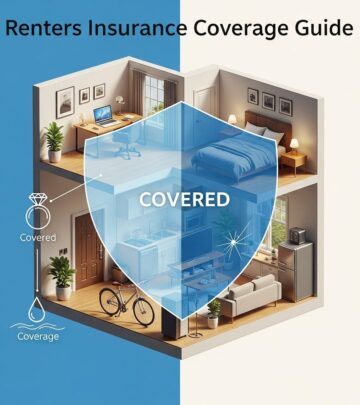
Allstate renters insurance provides four primary types of coverage that work together to protect you and your belongings. Understanding what each coverage includes is essential for selecting the right policy for your needs.
Personal Property Protection
Personal property protection is the cornerstone of any renters insurance policy. This coverage protects your belongings—such as furniture, electronics, clothing, and other household items—if they are stolen or damaged due to a covered peril. The average renter has about $30,000 worth of personal possessions, making this coverage crucial. Most renters policies cover personal property in your residence and even some items outside your home, such as belongings in your vehicle or items you carry with you. Allstate typically offers two options for personal property coverage: Actual Cash Value (ACV), which accounts for depreciation, or the Reimbursement Provision, which may provide more generous replacement costs. You can also increase your coverage limits or purchase additional scheduled personal property coverage for high-value items like jewelry, watches, and furs.
Family Liability Protection
Family liability protection is designed to protect you financially if someone is injured on your rented property and you are found responsible. For example, if a guest trips over a rug in your living room and is injured, this coverage can help pay for their medical bills and any legal costs if they decide to sue. Allstate’s family liability protection typically provides coverage up to $100,000 per occurrence, helping shield your personal assets from potential lawsuits. This coverage is essential because personal injury claims can quickly become expensive, and without liability protection, you could be personally responsible for these costs.
Guest Medical Protection
Guest medical protection provides coverage for minor medical expenses if someone is injured in your home, regardless of liability. This coverage typically provides up to $1,000 per person and can help pay for emergency medical treatment without requiring proof of your negligence. This is particularly valuable because it can help cover immediate medical costs without the need to determine fault, making it easier to assist injured guests quickly.
Additional Living Expenses
Additional living expenses coverage protects you if your residence becomes temporarily uninhabitable due to a covered loss, such as fire or severe damage from a covered peril. This coverage helps pay for hotel accommodations, meals, and other reasonable living expenses while your residence is being repaired or replaced. Allstate typically covers additional living expenses for up to 12 months, ensuring you have a place to stay and basic necessities covered during this difficult time. This protection is invaluable because it prevents you from having to pay out of pocket for emergency housing and living costs.
Coverage Limits and Deductibles
Understanding coverage limits and deductibles is critical to choosing the right renters insurance policy. A deductible is the amount you pay out of pocket when you file a claim for a covered loss. For example, if your policy has a $250 deductible and you file a claim for $1,000 in damage, you would pay $250 and Allstate would pay the remaining $750.
How Deductibles Work
Allstate renters policies typically feature an all-peril deductible, meaning the same deductible applies to most covered losses. Common deductible options include $250, $500, $1,000, or higher amounts. Choosing a higher deductible can lower your premium, but it also means paying more out of pocket if you need to file a claim. Most renters choose a deductible between $250 and $500 as a balance between affordable premiums and manageable out-of-pocket costs.
Coverage Limits Explained
Coverage limits represent the maximum amount Allstate will pay for each type of coverage. Your policy declarations document will show all the limits you’ve selected. For example, if your personal property coverage limit is $40,000 and you experience a total loss, Allstate would pay up to $40,000 (minus your deductible). Family liability coverage typically has per-occurrence limits ranging from $100,000 to $300,000. It’s important to review your limits regularly to ensure they’re adequate for your situation and the value of your belongings.
Optional Coverage Add-Ons
Beyond the standard coverage included in your renters policy, Allstate offers several optional add-ons that provide additional protection for specific situations.
Scheduled Personal Property Coverage
If you own high-value items like jewelry, watches, collectibles, or electronics, standard personal property coverage may not provide adequate protection. Scheduled personal property coverage allows you to list specific items individually and ensure they’re fully covered at their replacement value, typically with no deductible. This is particularly important for items that appreciate in value or have sentimental worth.
Extended Coverage on Jewelry, Watches, and Furs
Allstate offers specialized extended coverage on jewelry, watches, and furs with limits up to $10,000 per item and up to $2,500 per item for scheduled coverage. This ensures your valuable accessories and clothing are properly protected against loss, theft, or damage.
Identity Theft Restoration
Identity theft restoration coverage helps protect you if your personal information is compromised. This coverage can provide reimbursement for costs associated with restoring your identity and recovering from identity theft.
Increased Coverage on Business Property
If you operate a business from your rented residence, you can add increased coverage on business property. This ensures that equipment, inventory, and other business assets are protected under your renters policy.
Personal Umbrella Policy
For renters who want additional liability protection beyond what a standard policy offers, a Personal Umbrella Policy (PUP) provides extra coverage, typically ranging from $1,000,000 or more. This additional liability layer protects your personal assets if a claim exceeds your standard liability limits.
What’s Not Covered Under Allstate Renters Insurance
It’s equally important to understand what renters insurance does not cover. Most standard renters policies exclude certain types of losses and events.
Excluded Perils and Situations
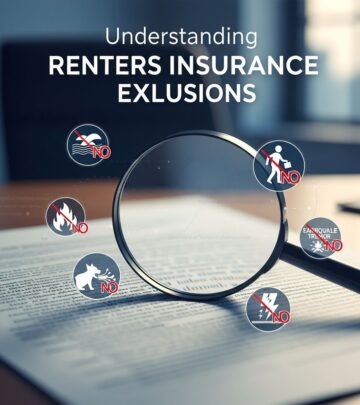
Typical exclusions in renters insurance policies include floods, earthquakes, and water backup from sewers or drains. War, civil unrest, and damage caused by neglect are also commonly excluded. Additionally, damage to property you’re renting (the landlord’s responsibility), intentional damage you cause, and losses from specific causes like earthquakes or floods are not covered under standard policies. If you want coverage for these events, you’ll need to purchase separate policies.
Business Property Limitations
Standard renters insurance typically has limitations on business property coverage. If you run a business from home, you may need additional coverage for business equipment and inventory. Similarly, certain high-value items may have sublimits, meaning they’re covered up to a lower limit than your general personal property coverage.
Allstate Renters Insurance Pricing and Discounts
The cost of Allstate renters insurance varies based on several factors, including your location, the coverage limits you select, your deductible choice, and your claims history. Allstate quotes can start as low as $5 per month, though most renters pay more depending on their specific circumstances.
Factors Affecting Your Premium
Your renters insurance premium is calculated based on where you live, with urban areas typically having higher rates due to greater theft and crime risks. Your personal claims history also influences your rate, as does whether your rental building has security features like alarms or sprinkler systems. The coverage limits and deductible you choose directly impact your premium, with higher limits resulting in higher costs.
Available Discounts
Allstate offers several discounts that can significantly reduce your renters insurance premium. A protective device discount (typically 5% to 10%) applies if you have security systems, smoke detectors, or fire extinguishers. The home and auto discount (typically 20%) is available if you bundle your renters insurance with an auto policy or other Allstate insurance products. Safe driver discounts, good student discounts, and other promotional offers may also be available depending on your situation. It’s worth asking your Allstate agent about all available discounts to minimize your overall insurance costs.
Understanding Your Policy Declarations
Your policy declarations document is the most important document you’ll receive from Allstate. It provides a comprehensive overview of your coverage, limits, deductibles, and premium.
Key Information in Your Declarations
The declarations page shows the address of your rented residence, the policy period (typically one year), your total premium, and all coverages included in your policy. It lists your specific coverage limits for personal property, liability, and other protections, as well as your deductible for each coverage. The document also shows any discounts applied to your policy and identifies you as the insured person. Each time you renew your policy, you’ll receive updated declarations reflecting any changes to your coverage or premium.
Why You Should Review Your Declarations
It’s crucial to review your policy declarations carefully when you receive them. Verify that all information is accurate, check that your coverage limits match your needs, and review your deductible choices. If you’ve made changes to your living situation, acquired new valuable items, or want to adjust your coverage, contact your Allstate agent to discuss modifications before your renewal date.
How to File a Claim with Allstate
If you experience a covered loss, filing a claim with Allstate is straightforward. Contact your local Allstate agent or call 1-800-ALLSTATE to report the incident. You’ll need to provide details about what was lost or damaged, when the loss occurred, and the approximate value of the items affected. Allstate will guide you through the claims process and may request documentation like receipts, photos, or police reports for theft claims. Once your claim is processed, Allstate will work with you to settle the claim fairly and promptly.
Comparing Allstate with Other Renters Insurance Providers
While Allstate is a well-established insurance company with strong financial ratings and customer service, it’s worth comparing their renters insurance options with other providers to ensure you’re getting the best value. Compare coverage options, deductibles, limits, and premium costs across multiple companies before making your final decision. Consider factors like available discounts, customer service ratings, and digital tools for managing your policy.
Tips for Choosing the Right Coverage Amount
Determining the appropriate coverage amount requires honest assessment of your belongings and liability exposure. Walk through your apartment or rental home and estimate the replacement cost of all your possessions. Include furniture, electronics, clothing, kitchenware, and other items. Most renters underestimate their personal property value, so err on the side of higher coverage. For liability protection, consider your situation: if you frequently entertain guests or have a large social circle, higher liability limits are prudent. If you have minimal visitors and limited liability exposure, standard limits may be sufficient.
Frequently Asked Questions About Allstate Renters Insurance
Q: Is renters insurance required by landlords?
A: While renters insurance is not legally required in most states, many landlords require it as a condition of the lease. Even if your landlord doesn’t require it, renters insurance is highly recommended as landlord insurance doesn’t cover your personal belongings or liability.
Q: What’s the difference between actual cash value and replacement cost coverage?
A: Actual cash value pays the depreciated value of items, accounting for age and wear. Replacement cost coverage pays what it would cost to replace items with new ones. Replacement cost coverage typically costs more but provides better protection for your belongings.
Q: Can I increase my coverage limits after a loss?
A: Generally, you cannot increase coverage limits after a loss has occurred. However, you can request coverage limit increases during your renewal period or by contacting your Allstate agent before a loss happens.
Q: Does renters insurance cover water damage?
A: Standard renters insurance covers water damage from sudden, accidental sources like a burst pipe or leaking appliance. However, damage from floods or gradual leaks is typically excluded and requires separate flood insurance.
Q: What should I do if I need to file a claim?
A: Contact your local Allstate agent or call 1-800-ALLSTATE immediately to report the loss. Document what was lost or damaged with photos, gather receipts if available, and provide detailed information about when and how the loss occurred. Allstate will guide you through the claims process from there.
Q: Can I get discounts on Allstate renters insurance?
A: Yes. Allstate offers multiple discounts including protective device discounts (5-10%), bundling discounts (up to 20% for combining with auto insurance), and various promotional discounts. Ask your agent about all available discounts to reduce your premium.
Q: How long does it take to receive payment on a renters insurance claim?
A: Timeframes vary depending on the claim’s complexity and documentation provided. Simple claims may be processed within days, while more complex claims might take weeks. Allstate works diligently to process claims promptly and will update you on your claim’s status throughout the process.
References
- Renters Insurance Made Simple — Allstate Insurance Company. 2025. https://www.allstate.com/resources/allstate/attachments/made-simple/allstate-renters-insurance-made-simple.pdf
- Renters Insurance Coverage and Policies — Allstate Insurance Company. 2025. https://www.allstate.com/renters-insurance/coverage-policies
- What Is Renters Insurance and What Does It Cover? — Allstate Insurance Company. 2025. https://www.allstate.com/resources/renters-insurance/what-does-renters-insurance-cover
- Renters Insurance Deductibles and Limits — Allstate Insurance Company. 2025. https://www.allstate.com/renters-insurance/coverage-limits
- Allstate Insurance Company Renters Policy — Allstate Insurance Company. 2025. https://constructioncoverage.com/wp-content/uploads/2020/08/allstate-sample-renters-insurance-policy.pdf
Similar Articles








Read full bio of Sneha Tete