Allonge: Definition and Use in Negotiable Instruments
Comprehensive guide to allonges in mortgage notes and promissory notes.

What Is an Allonge?
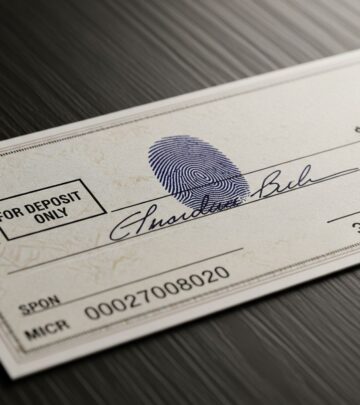
An allonge is a separate piece of paper that is firmly attached to a negotiable instrument, such as a promissory note, mortgage note, or other financial document, for the purpose of accommodating additional endorsements when the original document lacks sufficient space. The term “allonge” derives from French, meaning “to lengthen,” which aptly describes its fundamental function of extending the capacity of a financial instrument to receive multiple endorsements and transfers.
In the context of mortgage and real estate transactions, an allonge serves as a critical tool in the secondary mortgage market. When a mortgage note changes hands multiple times—from the original lender to investors to other note buyers—the original document may not have adequate space for all the necessary endorsements that document these transfers of ownership. This is where an allonge becomes essential, allowing parties to properly document the chain of title and maintain clear records of who holds the right to collect on the note.
Legal Requirements for Valid Allonges
Not every piece of paper attached to a note qualifies as a legally valid allonge. Courts apply strict standards to determine whether an allonge meets the requirements necessary to be recognized as part of the negotiable instrument. Understanding these requirements is crucial for anyone involved in buying, selling, or transferring mortgage notes.
Physical Attachment Requirements
One of the most fundamental requirements for a valid allonge is that it must be physically attached to the original, ink-signature note. This attachment must be permanent and secure. Simply using paper clips or placing loose sheets near the original note is insufficient. The allonge must be permanently affixed through methods such as stapling, gluing, binding, or other permanent fastening techniques. This requirement ensures that the allonge cannot be separated from the original note, maintaining the integrity of the document and preventing fraud or misuse.
Additionally, courts have consistently held that you cannot endorse a copy of a negotiable instrument. Just as you cannot legally transfer a bank check by endorsing a photocopy, you cannot endorse a copy of a mortgage note. The original ink-signature note is mandatory for valid endorsement and transfer. This protects the parties involved by ensuring that all transfers are made on authentic original documents rather than copies, which could be altered or duplicated.
Clear Continuation Language
A valid allonge must contain clear continuation language that explicitly establishes the connection between the allonge and the original note. Standard phrases that satisfy this requirement include “Attached to and forming part of the note dated [specific date]” or “Pay to the order of [endorsee name].” This language makes it immediately clear that the allonge is an integral part of the original negotiable instrument and is not a standalone document. The continuation language must be unambiguous and readily apparent to any party reviewing the documents.
Proper Endorsement Format
Endorsements on an allonge must follow the same rules and formats that apply to endorsements on the original note itself. There are two primary types of endorsements that may appear on an allonge:
– Blank endorsements: These consist of only a signature with no designation of a specific payee. A blank endorsement converts the note into a bearer instrument, meaning any party who possesses it can claim the right to payment.- Special endorsements: These specify a particular party to whom the note is being transferred, using language such as “Pay to the order of [specific party name],” followed by the endorser’s signature.
The choice between these formats depends on the specific transfer needs and the intentions of the endorsing party.
Common Scenarios Requiring Allonges
Allonges are used in several common situations within the mortgage and financial markets. Understanding these scenarios helps illustrate why allonges are essential to the proper functioning of the secondary mortgage market.
Original Lender Sales
When banks and original lenders sell mortgage notes to investors or other financial institutions, they frequently require allonges. If the original promissory note lacks sufficient space for the bank’s endorsement that transfers ownership to the new buyer, an allonge becomes necessary. This ensures that the transfer is properly documented and that the new owner has a clear legal right to the note and the underlying debt.
Multiple Transfers
Some mortgage notes pass through several different owners during their lifetime. A note might begin with the original lender, then transfer to an investor, subsequently to a note buyer, and potentially to additional parties. Each transfer requires a separate endorsement documenting the change in ownership. When multiple transfers occur, the original document quickly runs out of space for additional endorsements, making allonges necessary to maintain a complete chain of title.
Servicer Changes
While loan servicers do not own the mortgage notes they service, changes in loan servicing sometimes necessitate the use of allonges. When servicing responsibilities transfer from one company to another, proper documentation of this change often involves the use of an allonge. This creates a clear record of who is responsible for collecting payments and servicing the loan.
Allonges Versus Note Modifications
A common source of confusion in mortgage and lending transactions is the distinction between allonges and note modifications. While these terms are sometimes used interchangeably by those unfamiliar with the technical requirements of negotiable instruments, they serve fundamentally different purposes and involve different documentation.
| Characteristic | Allonges | Note Modifications |
|---|---|---|
| Primary Purpose | Facilitate endorsements and transfers of ownership | Alter the original loan agreement terms |
| Effect on Loan Terms | No changes to loan terms | Changes interest rates, payment schedules, or maturity dates |
| Documentation Type | Simple allonge attached to the note | Formal modification agreement |
| Impact on Obligations | Transfers ownership without changing obligations | May change borrower or lender obligations |
Allonges only facilitate the endorsement and transfer of a note without any changes to the underlying loan terms. The interest rate, payment schedule, maturity date, and all other substantive terms of the loan remain exactly the same. An allonge is purely a mechanism for documenting the transfer of the note from one party to another.
Note modifications, by contrast, actually alter one or more of the original agreement terms between the borrower and lender. These modifications typically require a formal modification agreement rather than a simple allonge. Understanding this distinction is critical because confusing the two can lead to costly mistakes in note transfers and enforcement actions.
Impact on Note Transfers and Sales
The proper execution and maintenance of allonges has significant implications for the marketability and legal validity of mortgage note transfers and sales.
Chain of Title and Marketability
Properly executed allonges enhance the marketability of mortgage notes by creating a clear and traceable chain of title. When a potential buyer examines a note with well-documented allonges, they can trace ownership from the original lender through each subsequent transfer, providing confidence that the seller has the legal right to transfer ownership. This clarity makes the note more attractive to buyers and often commands better prices in the secondary market.
Title Defects and Transfer Complications
Conversely, missing or improperly prepared allonges create title defects that can significantly complicate note sales. Buyers who discover questionable allonge documentation may demand substantially reduced purchase prices to account for the legal risk, or they may refuse to complete the purchase altogether. Title defects resulting from improper allonges can derail transactions and create uncertainty about who actually holds the right to enforce the note.
Foreclosure and Legal Proceedings
During foreclosure proceedings, courts carefully scrutinize allonges and the chain of title they document. Any defects or irregularities in allonge documentation can derail foreclosure actions, create liability for note holders, and result in costly litigation. Courts have consistently held that proper documentation of the chain of title, including valid allonges, is essential to establishing standing to foreclose on a property.
Due Diligence for Note Buyers
When purchasing mortgage notes that include allonges, careful due diligence is essential to protect your investment and ensure that you are obtaining valid legal rights to the note.
Key Due Diligence Steps
– Authentication of signatures: Verify the authenticity of all signatures on both the original note and any allonges. Forged or questionable signatures can invalidate transfers entirely, leaving you without valid legal rights to the note.- Chronological consistency: Review the dates on all endorsements to ensure they are chronologically consistent with the actual transfer dates. Backdated allonges raise serious red flags about the validity of transfers and may indicate fraudulent activity.- Compliance with state law: Research the specific laws of the state where the note was issued, as some states impose requirements for allonges beyond federal standards. Ensuring compliance with all applicable state and federal laws protects your legal position.- Complete chain of documentation: Obtain and review all documents in the chain of title to ensure there are no gaps or missing endorsements that could create ambiguity about ownership.
Best Practices for Note Holders
If you regularly work with mortgage notes or plan to buy or sell notes in the secondary market, following established best practices helps minimize errors and protects your legal position.
Documentation and Record Keeping
Maintain comprehensive records of all allonges you create or accept, including documentation of when, why, and by whom each allonge was prepared and executed. This documentation can be invaluable if disputes arise regarding the validity of transfers or the chain of title. Proper record keeping demonstrates diligence and care in handling important financial documents.
Legal Counsel for Complex Transactions
For complex transfers involving multiple allonges, questionable documentation, or substantial transaction values, engaging legal counsel experienced in negotiable instruments is highly advisable. The cost of proper legal review is minimal compared to potential losses from defective transfers or failed foreclosure actions. An attorney can identify potential issues before they become costly problems.
Standardized Procedures
Establish standardized procedures for creating and reviewing allonges if you regularly buy or sell mortgage notes. Consistent allonge preparation reduces the likelihood of errors, speeds up transaction processing, and creates a reliable framework for handling document transfers. Standard templates and checklists ensure that nothing is overlooked in the allonge creation process.
Enforcement Considerations
When enforcing rights related to a mortgage note with allonges, several important legal considerations apply. Statute of limitations issues sometimes arise with older allonges, particularly regarding whether necessary endorsements were completed within applicable time limits for transfer validity. Verifying the timeliness of all allonge executions helps ensure that your right to enforce the note is not barred by time limitations.
Frequently Asked Questions
Q: What is the purpose of an allonge?
A: An allonge is a separate piece of paper attached to a negotiable instrument when there is insufficient space on the original document for additional endorsements. It allows multiple parties to properly document their transfer of ownership of the note.
Q: Is an allonge legally binding?
A: Yes, a properly prepared allonge that meets all legal requirements is treated as an integral part of the original negotiable instrument and is fully legally binding. Courts recognize valid allonges as extensions of the original note.
Q: Can an allonge be used to modify loan terms?
A: No, an allonge cannot be used to modify loan terms. Allonges only document transfers and endorsements. Changes to loan terms require a formal modification agreement.
Q: What happens if an allonge is improperly attached?
A: An improperly attached allonge may not be recognized as valid by courts. The allonge must be permanently affixed to the original note through methods such as stapling or gluing, not merely paper-clipped.
Q: Do all states recognize allonges?
A: While allonges are recognized under federal law governing negotiable instruments, some states may impose additional requirements. It is important to verify compliance with the specific state laws where the note was issued.
Q: Can an allonge be used for a promissory note?
A: Yes, allonges can be attached to promissory notes, mortgage notes, and other negotiable instruments when additional space is needed for endorsements and transfers.
References
- Allonge Definition & Meaning in Real Estate — Amerinot Exchange. Accessed 2025. https://www.amerinotexchange.com/allonge-definition/
- What is an Allonge To Promissory Note? — Contracts Counsel. Accessed 2025. https://www.contractscounsel.com/t/us/allonge-to-promissory-note
- Allonge (Real Estate Glossary) — LexisNexis. Accessed 2025. https://advance.lexis.com/open/document/openwebdocview/
Similar Articles








Read full bio of medha deb