Airline Miles and Inflation: Understanding Reward Devaluation
Discover how inflation and airline pricing strategies impact your frequent flyer rewards.
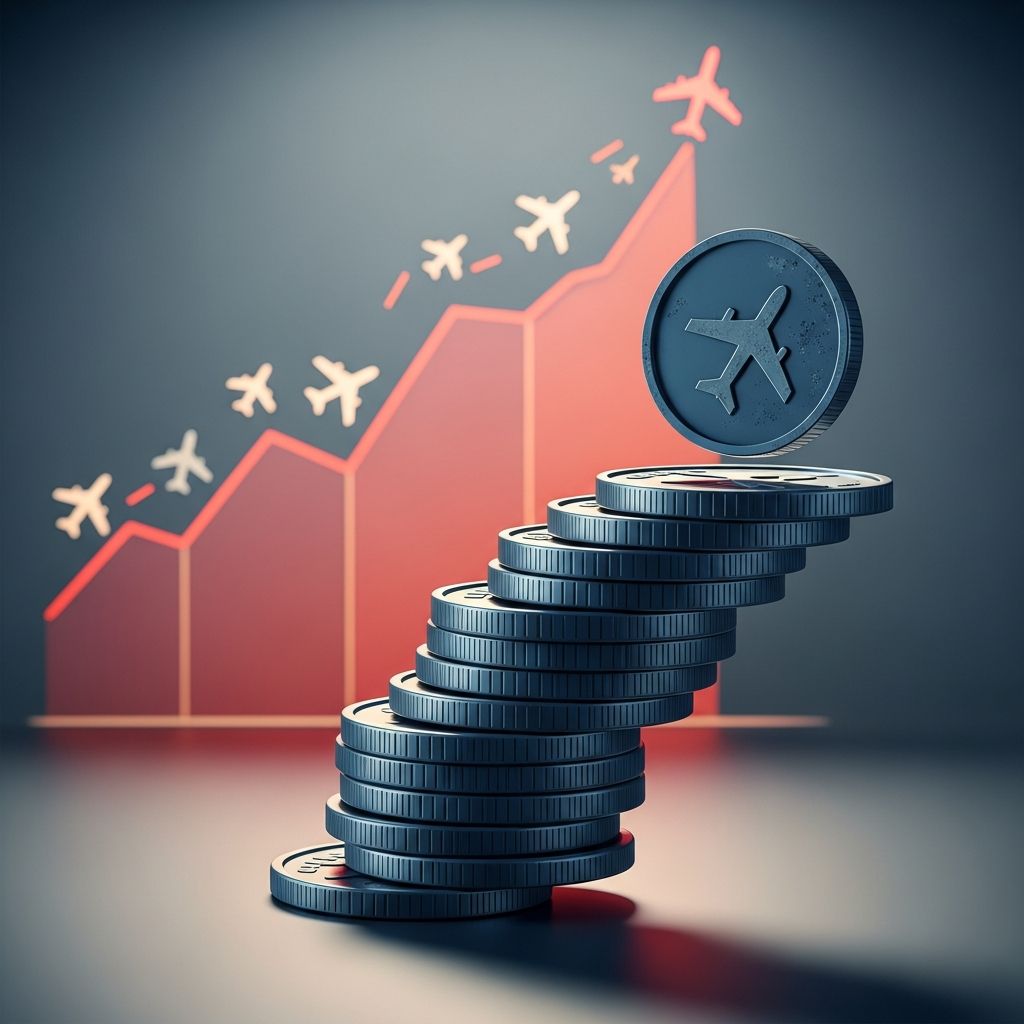
Frequent travelers who accumulate airline miles often wonder whether their rewards maintain consistent value or diminish over time. The relationship between inflation, airline pricing strategies, and loyalty program mechanics creates a complex landscape that deserves careful examination. Understanding these dynamics helps travelers make informed decisions about how and when to redeem their hard-earned miles.
The Fundamental Question: Do Your Miles Keep Their Worth?
The straightforward answer is nuanced: while individual airline miles maintain their nominal value within a program’s structure, their actual purchasing power—what you can buy with them—frequently declines. Most frequent flyer programs do not automatically adjust the mile redemption rates when general inflation occurs. Instead, airlines tie redemption costs to market conditions and pricing strategies, creating an indirect but significant impact on mile value.
Each airline designs its rewards program independently, meaning there is no universal standard for how miles are valued or redeemed. This variation across carriers makes it challenging for consumers to predict precisely how inflation will affect their specific frequent flyer accounts.
How Ticket Prices and Mile Requirements Connect
The relationship between airfare costs and mile requirements operates through a predictable mechanism. Airlines typically establish redemption rates based on the perceived value of their product rather than the absolute cost to operate. When fuel prices rise, operational costs increase, and demand fluctuates, airlines adjust cash fares accordingly.
Consider a practical example: if a round-trip flight costs $200 and your frequent flyer program values miles at approximately 1.5 cents per mile, you would need roughly 13,333 miles to book that ticket. However, if the same flight increases to $250 due to inflation and cost pressures, the mile requirement climbs to approximately 16,667 miles—a 25% increase in the number of miles required for the identical route and journey.
This mechanism means that even though your miles account balance remains unchanged, you accumulate them more slowly relative to your redemption needs. Your savings account of miles effectively shrinks in real purchasing power.
Beyond Inflation: Programmatic Devaluation
Perhaps more concerning than inflation’s indirect effects are the deliberate devaluations that airlines implement within their loyalty programs. These changes occur independently of broader economic inflation and represent a separate erosion of mile value.
Airlines modify their frequent flyer programs through various mechanisms, including raising the required miles for popular destinations, eliminating historically affordable redemption options (called “sweet spots”), and implementing dynamic pricing where redemption costs fluctuate based on demand and other factors. These adjustments happen with little notice and directly reduce what loyalty program members can achieve with their accumulated balances.
Research indicates that airline miles have depreciated at rates significantly exceeding general consumer inflation. One analysis found that miles devalue by approximately 15% annually—roughly five to seven times faster than the typical U.S. inflation rate of 2-3% per year.
Measuring the Real Impact: Recent Industry Data
Comprehensive surveys of major U.S. airlines reveal substantial increases in reward seat pricing since 2019. Airlines measured in industry reports showed an average increase of 36% in reward seat costs during this period, with the Consumer Price Index rising 24% for comparison. This 12-point differential demonstrates how rapidly airlines are escalating redemption costs beyond what inflation alone would justify.
Individual carriers show varying patterns. Some airlines have raised award prices substantially on specific routes while maintaining more competitive pricing on others. Business and first-class redemptions have experienced particularly aggressive increases, with some premium cabin awards roughly doubling or even tripling in required miles over recent years.
Understanding Different Devaluation Mechanisms
Dynamic Pricing Models
Some airlines employ dynamic award pricing, where the mile cost for a specific flight varies based on demand, booking timing, and seat availability—similar to how cash fares work. This approach means that popular routes during peak travel periods command higher mile prices, while the same route during off-peak times costs fewer miles. While airlines argue this creates flexibility, it effectively means award prices fluctuate unpredictably throughout the year.
Fixed-Rate Elimination
Historically, many frequent flyer programs offered fixed redemption rates for specific routes or cabin classes. Airlines have systematically eliminated these “sweet spots,” replacing them with variable pricing or higher fixed rates. This removes the ability for savvy travelers to identify and plan for reliable redemption values.
Credit Card Volume Impact
Co-branded airline credit cards generate enormous volumes of miles for airlines. As credit card issuance increases and more miles flood loyalty program accounts, airlines face pressure to increase redemption costs to manage the supply-demand balance. The proliferation of premium credit cards offering accelerated mile earning has directly contributed to higher redemption rates across the industry.
Comparing Inflation Rates and Mile Devaluation
| Factor | Annual Rate | Implication |
|---|---|---|
| U.S. General Inflation | 2-3% | Standard economic erosion of purchasing power |
| Airline Mile Devaluation | 15% | Rapid erosion specific to loyalty programs |
| Reward Seat Price Increases (2019-2025) | 36% cumulative | Far exceeds inflation rate of 24% |
Strategies for Protecting Mile Value
Redeem Before Devaluations Occur
Since airlines often announce devaluations shortly before implementation, monitor your frequent flyer program communications carefully. When rumors or official notices suggest upcoming changes, consider booking award flights before the increases take effect. This requires vigilance but can preserve significant value.
Target Remaining Sweet Spots
Despite widespread increases, some redemption values remain relatively economical. Shorter domestic flights, off-peak travel dates, and certain partner airline bookings may still offer reasonable mile costs. Research your preferred airline’s award calendar to identify these opportunities before they disappear.
Diversify Across Programs
Rather than concentrating miles in a single airline program, spreading your loyalty across multiple carriers reduces exposure to any single airline’s devaluation strategy. This also provides flexibility to book with whichever airline offers the best redemption value for your specific trip.
Leverage Transfer Partners
For programs that allow transferring points to partner hotels, car rental companies, or other airlines, evaluate whether these transfer options provide better value than direct flight redemptions. Partner programs sometimes offer more stable redemption rates or better value proposition than the host airline.
The Broader Economic Context
The erosion of airline mile value reflects broader business dynamics within the travel industry. Rising fuel costs, labor pressures, aircraft acquisition expenses, and competitive pricing all contribute to airlines seeking alternative revenue streams and margin management. Frequent flyer programs, once primarily intended to reward loyal customers, have evolved into complex financial instruments that generate substantial revenue for airlines through credit card partnerships and dynamic pricing mechanisms.
The gap between general inflation and mile devaluation also reflects supply-and-miles dynamics. With credit card issuers distributing billions of miles annually, the program currency becomes increasingly abundant, creating downward pressure on purchasing power unless airlines continuously increase redemption costs to maintain scarcity and perceived value.
Frequently Asked Questions
Do airlines formally adjust miles for inflation?
No. Airlines do not automatically increase the value of miles held in accounts based on inflation indices. Instead, they adjust redemption costs—the number of miles required to book flights—at their discretion and through their established pricing mechanisms.
Will my miles become worthless?
While individual programs remain functional, miles can lose substantial purchasing power over time. Historically valuable redemptions disappear, and required miles increase faster than most people accumulate them. The risk exists that stored miles become increasingly difficult to redeem profitably.
Which airlines have the most stable rewards?
No airline offers complete stability, but some maintain lower average devaluation rates than others. Researching recent devaluation histories and comparing current redemption rates across carriers helps identify relatively better options.
Should I avoid accumulating miles?
Not necessarily, but strategic approach matters more than before. Rather than stockpiling large mile balances, maintaining moderate accounts and redeeming regularly helps avoid the risk of massive devaluations affecting your entire balance.
Conclusion: Making Informed Decisions
Airline miles exist in a complex environment where general inflation, airline-specific pricing strategies, and program dynamics all affect their real value. While nominal mile balances remain unchanged, the purchasing power they represent erodes continuously through a combination of external economic factors and deliberate airline strategies. Understanding these mechanisms empowers travelers to make strategic redemption decisions, optimizing their loyalty program benefits before value diminishes further.
References
- Do Airline Miles Lose Value From Inflation? — Experian. https://www.experian.com/blogs/ask-experian/do-airline-miles-lose-value-from-inflation/
- Pointsflation is Here: Why Airlines Keep Charging You More Miles — Thrifty Traveler. https://thriftytraveler.com/news/points/the-pointsflation-story/
- Airline Miles Devaluation: A Hidden Inflation and What the Biden Investigation Means for You — The Miles Market. https://www.themilesmarket.com/post/airline-miles-devaluation-a-hidden-inflation-and-what-the-biden-investigation-means-for-you
- Travel Boom Drives Sharp Increase in US Airline Reward Prices — IdeaWorksCompany. https://ideaworkscompany.com/travel-boom-drives-sharp-increase-in-us-airline-reward-prices-press-release/
- The Shift In Airline Mileage Value In 2024 – Who Are The Post-Pandemic Champions and Laggards — View from the Wing. https://viewfromthewing.com/the-shift-in-airline-mileage-value-in-2024-who-are-the-post-pandemic-champions-and-laggards/
Similar Articles








Read full bio of medha deb