Air Travel Food Guidelines: What You Can Pack
Navigate TSA regulations and pack smart for your next flight.
Air travel involves navigating numerous regulations beyond simply showing your boarding pass and ID. One of the most frequently asked questions by passengers involves what food and beverages can accompany them through airport security and onto their flights. Understanding these rules helps streamline the security screening process, prevents confiscation of items at checkpoints, and ensures you arrive at your destination properly nourished. The Transportation Security Administration (TSA) has established comprehensive guidelines governing what passengers may bring in their carry-on and checked baggage, with specific classifications that may not always be intuitive.
Solid Foods and the Security Checkpoint
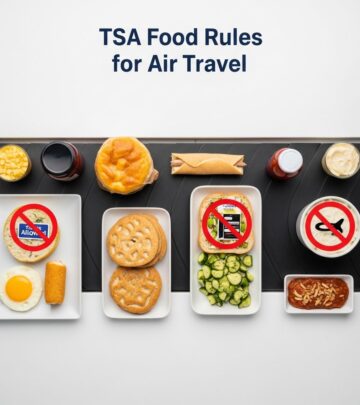
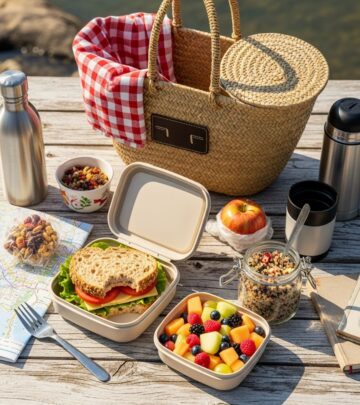
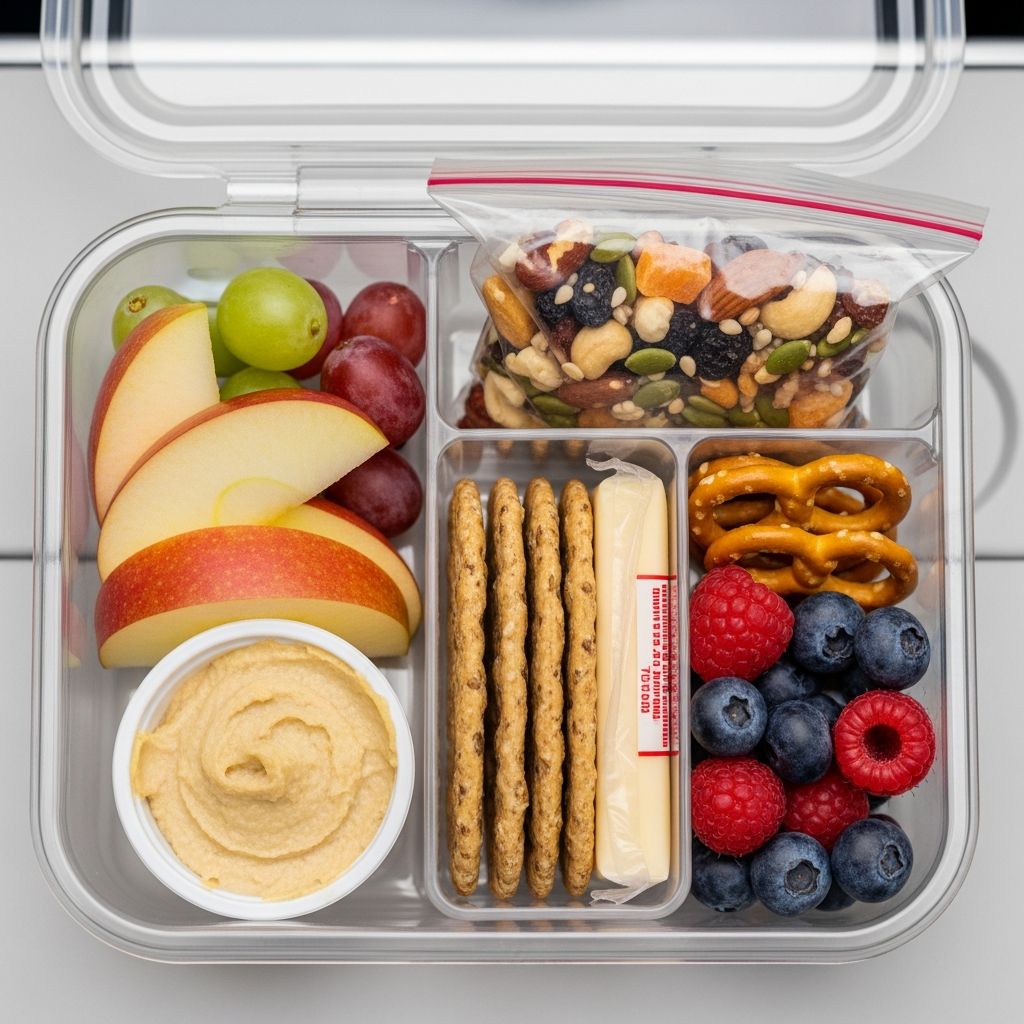
The foundational principle of TSA food regulations centers on the distinction between solid and liquid items. Fortunately for travelers, the TSA permits most solid foods in both carry-on and checked baggage without quantity restrictions. This means you can pack sandwiches, wraps, sliced quiche, frittata portions, pasta salad, grain bowls, dumplings with edamame, cookies, crackers, dried fruits, fresh produce, cooked meats, and fresh seafood without worrying about exceeding weight or volume limits.
The advantage of packing solid foods extends beyond mere permission—it offers practical benefits for long flights where meal service may be limited or expensive. Fresh fruits and vegetables, while subject to inspection, generally pass through security without complications. Coffee beans and grounds are also permitted, providing flexibility for caffeine enthusiasts who prefer their preferred brewing methods.
The Liquid Classification System
The complexity of TSA food regulations emerges when distinguishing between what qualifies as a liquid, paste, or gel. This classification system, officially known as the 3-1-1 rule, applies equally to food items and personal care products. Any substance with a consistency resembling liquid, paste, or gel must comply with strict volume limitations regardless of whether it serves a nutritional or hygiene purpose.
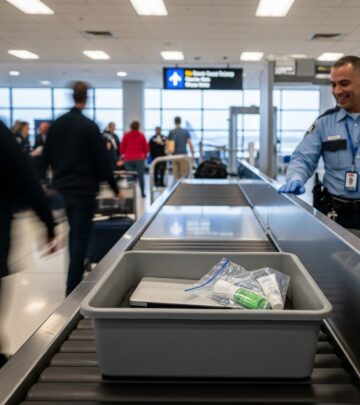
Items classified as liquids or gels include beverages of any kind, yogurt, syrup, soup, jams and jellies, condiments, products jarred in oil, nut butters, pâté, creamy cheeses, frosting, dips, and spreads such as hummus. Each of these items, regardless of how essential to your planned meals, must be contained in 3.4-ounce containers or smaller. These individual containers must then be placed together in a single quart-sized plastic bag for presentation at security screening.
The rationale behind these restrictions relates to transportation security protocols rather than food safety concerns. The TSA applies the same liquid restrictions to all substances with similar consistency, treating a container of peanut butter the same way as a bottle of shampoo.
Special Provisions for Frozen Foods and Ice Packs
Frozen items occupy a unique position within TSA regulations, offering greater flexibility than their thawed counterparts. Technically, you may bring frozen liquidy foods and ice packs through security checkpoints, provided they remain frozen solid during the screening process. This exception acknowledges the practical reality that frozen substances behave differently than their liquid state and present reduced transportation concerns.
The frozen food exemption creates interesting packing opportunities for travelers. If you freeze yogurt, soup, or other liquid-based items before arriving at the airport, they may pass through security. However, this advantage becomes temporary; as items thaw during your journey, they transition into the prohibited liquid category. Understanding this timeline is essential when planning meals for connections or long layovers.
International Travel and Expanded Restrictions
Passengers planning international journeys must recognize that food regulations extend beyond American TSA rules. Many countries, including Canada, Australia, and the United Kingdom, implement similar 3-1-1 restrictions on carry-on liquids, pastes, and gels, including food items. This consistency across multiple nations creates a standardized approach to air travel security.
Before international departure, consulting your specific airline’s website provides crucial information about regional variations and additional restrictions that may apply. Some nations enforce stricter protocols than others, and certain foods acceptable in the United States may face prohibition elsewhere.
Beverages and Alcohol Aboard Aircraft
While passengers may bring empty beverage containers through security, the regulations governing beverages consumed during flight differ significantly from ground-level rules. Federal Aviation Administration regulations explicitly prohibit passengers from consuming their own alcohol aboard aircraft. If you pack miniature bottles of liquor in your carry-on, you must keep them sealed and unopened throughout the flight, or face potential fines.
This restriction applies regardless of whether you purchased the alcohol duty-free or brought it from home. Only beverages served by flight attendants may be consumed during flight. Additionally, bringing your own non-alcoholic beverages faces practical challenges—empty containers must pass security inspection, then be filled at airport vendors before boarding. Many travelers find purchasing beverages after security clearing simpler than managing containers through screening.
Baby Food and Infant Necessities
The TSA recognizes that traveling with infants requires exceptions to standard food regulations. Breast milk, baby formula, and baby food receive classification as medically necessary items, exempting them from the 3-1-1 liquid restrictions that govern other food substances. Parents may bring these items in quantities exceeding 3.4 ounces without placing them in quart-sized bags.
Baby food is permitted in “reasonable quantities,” though variation exists in how individual TSA agents interpret this term. Parents should anticipate that security personnel may request removal of baby food from carry-on bags for separate inspection during screening. Bringing documentation or having formula and milk in original, labeled containers expedites the inspection process.
Meal Planning Strategies for Air Travel
Understanding TSA regulations enables strategic meal planning that maximizes nutrition during travel. Passengers with extended travel times benefit from packing multiple solid food options rather than relying solely on airport or in-flight purchases. Building a carry-on meal might include sandwiches, fresh fruit, cheese, crackers, and cookies, providing balanced nutrition throughout your journey.
For those desiring hot meals, the TSA permits instant dry oatmeal in carry-on bags; passengers simply request hot water from flight attendants and prepare their meal aboard the aircraft. This approach offers warm, satisfying nutrition without violating any regulations.
| Food Category | Carry-On Permission | Checked Baggage Permission |
|---|---|---|
| Solid foods (sandwiches, fruit, cookies) | Permitted | Permitted |
| Liquids/gels (yogurt, nut butter, honey) | 3.4 oz max per container | Permitted |
| Frozen items (frozen meals, ice packs) | Permitted if frozen solid | Permitted |
| Baby formula and breast milk | Unlimited quantity | Permitted |
| Beverages (water, juice, coffee) | Empty containers only | Permitted |
Checked Baggage Advantages
Passengers with checked luggage enjoy significantly fewer food restrictions. Most items prohibited in carry-on bags due to liquid classification may be packed in checked baggage without limitation. This includes full-sized jars of spreads, containers of yogurt, bottles of condiments, and any other food products. For those planning road-trip-style travel or multi-day excursions, utilizing checked baggage for food items eliminates liquid restrictions entirely.
The tradeoff involves accessibility—checked baggage remains inaccessible during flight, making checked food options impractical for in-flight meals but suitable for arrival or connection destinations.
TSA Agent Discretion and Variability
An important caveat underlies all TSA food regulations: the final decision about permitting specific items through security rests with individual TSA agents. While official guidelines provide clarity on most items, borderline cases or unusual foods may result in subjective determinations. An item permitted by one agent might be confiscated by another, introducing unpredictability into the screening process.
This discretionary authority explains why some travelers report successfully bringing items that others report being denied. The best approach involves erring on the side of caution with questionable items and consulting TSA representatives before packing uncertain foods.
Frequently Asked Questions
Can I bring a full meal through security?
Yes, solid food meals pass through security without restrictions. Sandwiches, pasta salads, grain bowls, and similar meals are completely permitted in carry-on bags. However, if your meal contains liquid components like soups or sauces, those portions must comply with the 3.4-ounce limitation.
Are reusable water bottles allowed through security?
Empty reusable bottles pass through security without issue. You may fill the bottle with water or other beverages at airport vendors after clearing security. Bringing a filled bottle through the security checkpoint violates liquid restrictions.
What if I’m traveling with dietary restrictions?
TSA regulations do not provide exceptions for dietary restrictions beyond infant formula and breast milk. If you require special foods due to allergies or dietary preferences, you should pack compliant solid foods or contact your airline about special meal services available during flight.
Can I bring hot foods like soup through security?
Hot soup, even in a sealed container, is classified as a liquid and must comply with the 3.4-ounce container rule for carry-on bags. For longer travel, packing soup in checked baggage or waiting until after security to purchase hot beverages from airport restaurants provides alternatives.
Navigating Security Screening Successfully
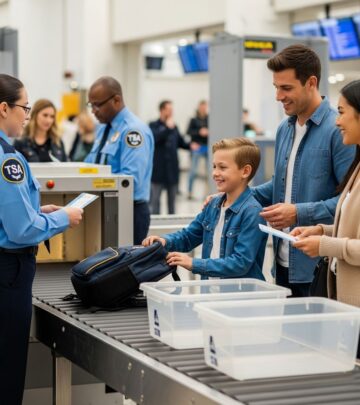
Successfully bringing food through airport security requires understanding regulations and arriving prepared. Organizing liquid or gel-based foods in a dedicated quart-sized bag before reaching security simplifies screening. Clearly labeling containers helps TSA agents identify items quickly. Arriving with realistic expectations—understanding that some items may be confiscated despite being technically compliant—reduces frustration if discretionary decisions go against your favor.
The investment in packing your own meals offers significant returns through cost savings, dietary control, and reduced dependence on limited airport food options. Armed with comprehensive knowledge of TSA food regulations, travelers transform airport security from a source of anxiety into a manageable part of their journey preparation.
References
- Rules for Bringing Food Through TSA — Chase Bank. https://www.chase.com/personal/credit-cards/education/rewards-benefits/rules-for-bringing-food-through-tsa
- Yes, You Can Bring Food Through TSA—With Some Exceptions — AFAR Magazine. https://www.afar.com/magazine/can-you-bring-food-through-tsa
- Can You Bring Food Through TSA? — NerdWallet. https://www.nerdwallet.com/travel/learn/can-you-bring-food-through-tsa
- Traveling With Food or Agricultural Products — USDA APHIS. https://www.aphis.usda.gov/traveling-with-ag-products
Similar Articles








Read full bio of Sneha Tete