Agent: Definition, Types, and Financial Role
Understand agents in finance: their roles, responsibilities, and impact on markets.

What Is an Agent?
An agent is an individual or entity authorized to act on behalf of another party, known as the principal. In financial markets, agents play a crucial intermediary role, facilitating transactions between buyers and sellers. Agents are bound by a legal relationship with their principals and are expected to act in their best interests. They receive compensation, typically in the form of commissions or fees, for their services.
The concept of agency extends across numerous industries and financial sectors. Whether in real estate, insurance, investment banking, or securities trading, agents serve as vital connectors that enable smooth market operations. Their primary responsibility is to execute transactions and provide expert guidance to their principals.
Key Characteristics of Agents
- Authorization: Agents must be officially authorized by their principals to conduct business on their behalf
- Fiduciary Duty: Agents are legally obligated to act in the principal’s best interest
- Liability: Agents can bind principals to contracts and legal obligations
- Compensation: Agents receive payment through commissions, fees, or salaries
- Representation: Agents represent their principals in negotiations and transactions
Types of Agents in Finance
Real Estate Agents
Real estate agents are among the most visible types of agents in everyday commerce. They represent buyers or sellers in property transactions, helping clients navigate the complex process of buying, selling, or renting properties. Real estate agents provide market analysis, property valuations, and facilitate negotiations between parties. They typically earn commissions based on the final transaction value, usually ranging from 3-6% of the property price, split between the listing and selling agents.
Real estate agents must be licensed in their jurisdiction and maintain adherence to professional standards and regulations. They use their local market knowledge to advise clients on pricing, property conditions, and investment potential.
Insurance Agents
Insurance agents represent insurance companies and help clients purchase appropriate insurance policies. They assess client needs, recommend suitable coverage options, and facilitate policy purchases. Insurance agents can work as captive agents (representing a single insurance company) or independent agents (representing multiple insurers).
These professionals earn commissions on premiums sold and often receive bonuses for meeting sales targets. Insurance agents must pass licensing exams and maintain continuing education requirements to stay current with policy changes and regulations.
Securities Agents and Brokers
Securities agents, often called stock brokers or registered representatives, facilitate the buying and selling of stocks, bonds, and other investment securities. They provide investment advice, execute trades, and manage client portfolios. Securities agents must be registered with the Securities and Exchange Commission (SEC) and comply with stringent regulatory requirements.
These professionals typically earn commissions on trades executed or charge advisory fees. They have extensive knowledge of market conditions, investment products, and risk management strategies.
Talent Agents
In the entertainment and sports industries, talent agents represent performers, athletes, and other professionals. They negotiate contracts, secure opportunities, and manage their client’s careers. Talent agents earn commissions, typically ranging from 10-20% of their client’s earnings.
Literary Agents
Literary agents represent authors and help them publish their work. They negotiate publishing contracts, manage relationships with publishers, and advocate for their clients’ interests. Literary agents typically earn 15% commission on book sales and other literary-related income.
Roles and Responsibilities
Agents carry significant responsibilities in their professional relationships with principals:
- Representation: Acting as the official representative in all matters related to the engagement
- Negotiation: Conducting negotiations to secure the best possible terms for the principal
- Information Gathering: Collecting relevant market data and information to inform decision-making
- Compliance: Ensuring all transactions comply with applicable laws and regulations
- Communication: Maintaining clear and transparent communication with principals throughout transactions
- Confidentiality: Protecting sensitive client information and maintaining privacy
- Documentation: Maintaining accurate records of all transactions and agreements
Agent vs. Broker: Understanding the Difference
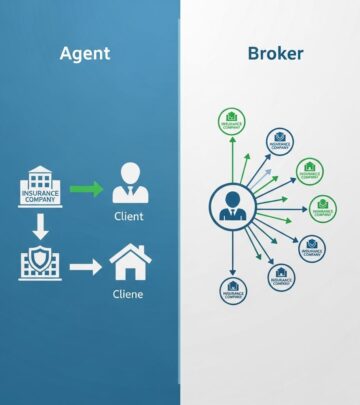
While the terms “agent” and “broker” are sometimes used interchangeably, there are important distinctions between them. An agent typically represents one party in a transaction and works on their behalf exclusively. A broker, however, often represents both parties in a transaction or operates as an intermediary in the market.
Brokers may have more independence in their operations and can facilitate transactions between multiple parties. Both agents and brokers earn compensation through commissions or fees, but their operational structures and regulatory requirements may differ significantly.
Legal and Regulatory Framework
Agents operate within a complex legal and regulatory framework designed to protect consumers and maintain market integrity:
Fiduciary Duty
The cornerstone of agent-principal relationships is fiduciary duty. Agents must prioritize their principal’s interests above their own, avoid conflicts of interest, and disclose all material information. Breaching fiduciary duty can result in legal liability and professional sanctions.
Licensing Requirements
Most agents must obtain licenses specific to their field. Real estate agents, insurance agents, and securities agents all require appropriate state or federal licenses. These licensing requirements typically include passing examinations, completing education, and maintaining continuing professional development.
Regulatory Oversight
Regulatory bodies such as the SEC (for securities agents), state insurance departments, and local real estate commissions oversee agent activities. These organizations establish ethical standards, enforce compliance, and investigate complaints against agents.
Compensation Models
Different types of agents operate under various compensation models:
| Agent Type | Primary Compensation | Range/Structure |
|---|---|---|
| Real Estate Agent | Commission | 3-6% of property price |
| Insurance Agent | Commission | 10-15% of premium (varies by product) |
| Securities Agent | Commission/Fee | Variable; often 1-2% AUM or per-trade fees |
| Talent Agent | Commission | 10-20% of client earnings |
| Literary Agent | Commission | 15% of book sales |
Advantages of Using Agents
- Expertise: Agents possess specialized knowledge and market experience
- Time Savings: Agents handle complex processes, saving principals valuable time
- Negotiation Power: Professional agents often negotiate better terms than individuals could achieve alone
- Market Access: Agents provide access to exclusive opportunities and off-market deals
- Professional Guidance: Agents provide objective advice based on market conditions and data
- Network: Agents leverage their professional networks to benefit clients
Potential Drawbacks
- Conflicts of Interest: Commission-based compensation can create incentives misaligned with client interests
- Costs: Agent fees and commissions reduce net returns for principals
- Quality Variation: Agent competence and ethics vary significantly across the industry
- Limited Transparency: Some agents may not fully disclose all relevant information or alternatives
- Accountability: Holding agents accountable for poor performance can be challenging
How to Choose the Right Agent
Selecting an appropriate agent is crucial for achieving your financial or business objectives:
Verify Credentials
Ensure the agent holds valid licenses and certifications appropriate to their field. Check with regulatory bodies to confirm their standing and review any disciplinary history.
Research Experience
Look for agents with substantial experience in your specific transaction type. Ask about their track record, client testimonials, and relevant case studies.
Assess Communication Style
Choose an agent who communicates clearly and responsively. They should explain complex concepts in understandable terms and keep you informed throughout the process.
Compare Fees
Understand the compensation structure and compare rates across multiple agents. Ensure all fees are disclosed upfront and in writing.
Evaluate Market Knowledge
Select an agent with deep knowledge of your specific market or industry. Local expertise can significantly impact transaction outcomes.
Frequently Asked Questions
Q: What is the primary difference between an agent and a principal?
A: A principal is the person or entity authorizing another to act on their behalf, while an agent is the individual or entity granted authority to represent the principal. The principal retains ultimate responsibility for actions taken by their agent.
Q: Can an agent work for multiple principals simultaneously?
A: Yes, many agents represent multiple clients. However, they must manage potential conflicts of interest and ensure confidentiality between clients. Some exclusive representation agreements may restrict this practice.
Q: What happens if an agent breaches their fiduciary duty?
A: The principal may pursue legal action to recover damages, terminate the agency relationship, and file complaints with regulatory bodies. Serious breaches can result in license revocation and criminal charges.
Q: How are agent commissions negotiable?
A: Many agent commissions are negotiable, particularly in real estate and securities. You can discuss commission rates before engaging an agent and potentially negotiate lower rates based on transaction size or complexity.
Q: What qualifications should a good agent possess?
A: A quality agent should have relevant licenses, substantial experience, strong market knowledge, excellent communication skills, ethical standards, and a proven track record of successful transactions.
Q: Can I terminate an agency relationship?
A: Yes, you can typically terminate agency relationships, though specific terms depend on your agreement. Some agreements include early termination penalties or notice requirements.
References
- Securities and Exchange Commission (SEC) Definitions and Regulatory Framework — U.S. Securities and Exchange Commission. 2024. https://www.sec.gov/
- National Association of REALTORS (NAR) Code of Ethics — National Association of REALTORS. 2024. https://www.nar.realtor/
- Insurance Information Institute – Agent and Broker Guidelines — Insurance Information Institute. 2024. https://www.iii.org/
- Financial Industry Regulatory Authority (FINRA) – Agent Compliance Standards — FINRA. 2024. https://www.finra.org/
- U.S. Department of Labor – Occupational Outlook Handbook: Sales Agents — Bureau of Labor Statistics. 2024. https://www.bls.gov/
Similar Articles








Read full bio of medha deb