Agency Bonds Explained: A Complete Guide For Investors
Discover the essentials of agency bonds, their issuers, benefits, risks, and strategies for including them in your investment portfolio.

Agency bonds represent a vital segment of the fixed-income market, providing investors with opportunities to support key public objectives while earning competitive returns. These securities are issued by U.S. government-sponsored enterprises (GSEs) or federal agencies to finance activities in areas such as housing, agriculture, and infrastructure. Unlike Treasury securities, which carry the full faith and credit of the U.S. government, agency bonds often offer slightly higher yields to account for their unique risk profiles.
What Defines Agency Bonds?
At their core, agency bonds are debt instruments created to channel capital into sectors deemed essential for national development. Issuers borrow funds from investors by promising periodic interest payments and repayment of the principal at maturity. This mechanism allows entities like Fannie Mae or the Government National Mortgage Association (Ginnie Mae) to expand liquidity in mortgage markets or support small businesses.
These bonds differ from corporate debt due to their ties to government initiatives, resulting in lower default risk compared to private issuers. Investors appreciate their high credit quality, often comparable to Treasuries, but with enhanced income potential. Maturities range from short-term notes under one year to long-term obligations extending up to 30 or 40 years, accommodating diverse investment horizons.
Major Issuers in the Agency Bond Market
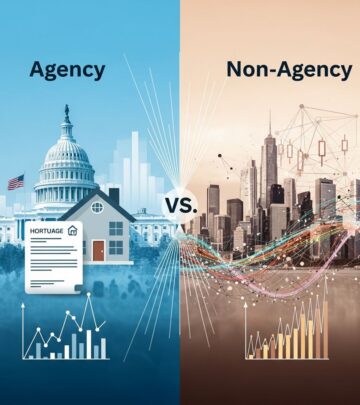
The landscape of agency bond issuers splits into two primary groups: GSEs and fully government-backed agencies. GSEs, such as Fannie Mae and Freddie Mac, operate as privately held companies chartered by Congress to promote specific economic goals. They purchase mortgages from lenders, pooling them into securities that bolster the housing sector.
Federal agencies, by contrast, fall directly under government oversight. Ginnie Mae stands out for guaranteeing mortgage-backed securities with explicit U.S. backing, ensuring timely payments even if underlying borrowers default. Other notable issuers include the Tennessee Valley Authority (TVA), which funds energy projects, and the Small Business Administration (SBA), aiding entrepreneurial ventures.
- Fannie Mae: Focuses on conventional home loans, enhancing secondary mortgage market liquidity.
- Freddie Mac: Similar to Fannie Mae, targets multifamily housing and single-family mortgages.
- Ginnie Mae: Backs federally insured or guaranteed loans, primarily FHA and VA mortgages.
- TVA: Finances power generation and regional development in the southeastern U.S.
- SBA: Supports loans to small businesses lacking traditional financing.
Key Features and Bond Structures
Agency bonds come in various formats to suit investor preferences. Most feature fixed coupon rates, disbursed semi-annually, calculated as a percentage of the face value—typically sold in $1,000 increments. For example, a $10,000 bond at 4% annual rate yields $400 yearly, or $200 every six months.
Other structures include:
- Floating-rate bonds: Coupons adjust periodically against benchmarks like Treasury yields or SOFR (Successor to LIBOR), mitigating interest rate volatility.
- Callable bonds: Issuers can redeem early, often when rates drop, exposing investors to reinvestment risk.
- Zero-coupon bonds: Sold at discount, accrete to face value at maturity without interim payments.
- Medium- and short-term notes: Offer flexibility for tactical portfolio adjustments.
| Feature | Description | Example |
|---|---|---|
| Face Value | Principal repaid at maturity | $1,000 minimum |
| Coupon Frequency | Interest payment schedule | Semi-annual |
| Maturity Range | Time to principal return | 1 month to 40 years |
| Yield Premium | Over Treasuries | 0.20% – 0.50% |
This variety enables precise matching of bonds to income needs or duration targets.
Investment Process: Acquiring Agency Bonds
Investors access agency bonds via brokerage accounts or banks integrated into the bond market. In the primary market, new issues are auctioned or offered directly; secondary markets allow trading existing bonds through platforms like those at Fidelity or Vanguard. Prices fluctuate with interest rates, credit perceptions, and supply dynamics—rising rates typically depress bond values.
To buy, open a brokerage account, research available issues via CUSIP numbers, and place orders at par, premium, or discount. Minimum investments keep entry accessible, but transaction costs and liquidity vary by broker.
Benefits of Investing in Agency Bonds
These securities shine for their blend of security and return. High credit ratings from agencies like Moody’s or S&P reflect minimal default probability, bolstered by government ties. Yields surpass Treasuries by 20-50 basis points, appealing for income-focused portfolios.
- Portfolio Diversification: Low correlation with equities reduces overall volatility.
- Liquidity: Actively traded, especially GSE issues.
- Tax Advantages: Interest often exempt from state and local taxes.
- Social Impact: Funds critical infrastructure and housing.
In low-rate environments, they provide reliable cash flows superior to bank deposits.
Navigating Risks Associated with Agency Bonds
Despite strengths, risks merit attention. Interest rate risk looms largest: as rates rise, existing bond prices fall, potentially causing capital losses if sold early. Credit risk, though low, exists for GSEs lacking explicit guarantees—evident during the 2008 crisis when Fannie and Freddie required bailouts.
Callable features introduce reinvestment risk, forcing holders to redeploy funds at lower prevailing rates. Inflation erodes fixed payments’ purchasing power over time. Compared to Treasuries:
| Risk Type | Agency Bonds | Treasuries |
|---|---|---|
| Credit/Default | Low (implicit/explicit) | None |
| Interest Rate | Moderate | Moderate |
| Call Risk | Present in some | Rare |
| Liquidity | High | Highest |
Diversification across issuers and maturities mitigates these concerns.
Performance and Yield Dynamics
Agency bonds generally track Treasury movements but command yield spreads reflecting perceived risks. In 2023-2025 periods of rate hikes, shorter maturities outperformed, while longer ones faced pressure. Historical data shows average annual returns of 3-5% over decades, balancing income and preservation.
Factors influencing yields include Federal Reserve policy, economic growth, and issuer-specific news. GSE bonds often trade tighter to Treasuries post-conservatorship resolutions.
Strategic Integration into Portfolios
For conservative investors, agency bonds form a core fixed-income holding, comprising 20-40% of allocations alongside Treasuries and municipals. Laddering—staggering maturities—optimizes yield curve exposure and liquidity. In rising rate scenarios, favor short-duration or floating-rate variants.
ETFs and mutual funds tracking agency indices offer simplified entry, reducing individual bond selection burdens. Tax-conscious strategies pair them with taxable equities for efficiency.
Current Market Considerations
As of early 2026, agency issuance remains robust amid housing demands and infrastructure pushes. Yields hover above Treasuries amid persistent inflation concerns, drawing yield seekers. Monitor GSE reforms and Fed trajectories for opportunities.
Frequently Asked Questions (FAQs)
Are agency bonds safer than corporate bonds?
Yes, due to government affiliations, default rates are negligible compared to corporates.
Do agency bonds have tax benefits?
Interest is federally taxable but often state-tax exempt, enhancing after-tax yields.
Can retail investors buy agency bonds directly?
Yes, through brokers; no minimums beyond denominations apply.
What happens if an issuer like Fannie Mae defaults?
Implicit government support has historically prevented this, though not guaranteed.
How do agency bond yields compare today?
Typically 0.3-0.6% above comparable Treasuries.
References
- Agency Bond | Definition, Types, Structure, Pros, & Cons — Finance Strategists. 2024. https://www.financestrategists.com/wealth-management/bonds/agency-bond/
- What Are Agency Bonds? Types, working, example, FAQ — POEMS. 2024. https://www.poems.com.sg/glossary/bonds/agency-bonds/
- U.S. Agency Bonds — Edward Jones. 2025-02-01. https://www.edwardjones.com/us-en/investment-services/investment-products/fixed-income-investments/agency-bonds
- Agency bonds — Vanguard Investor. 2025. https://investor.vanguard.com/investor-resources-education/understanding-investment-types/agency-bonds
- Agency Bonds — Fidelity Investments. 2025. https://www.fidelity.com/fixed-income-bonds/individual-bonds/agency-bonds
- Agency Bonds – Overview, Mechanics, Characteristics — Wall Street Oasis. 2024. https://www.wallstreetoasis.com/resources/skills/credit/agency-bonds
Similar Articles








Read full bio of Sneha Tete