Aftermarket Parts and Car Value
Discover how aftermarket modifications influence your vehicle's market worth, resale potential, and trade-in offers in today's competitive auto market.
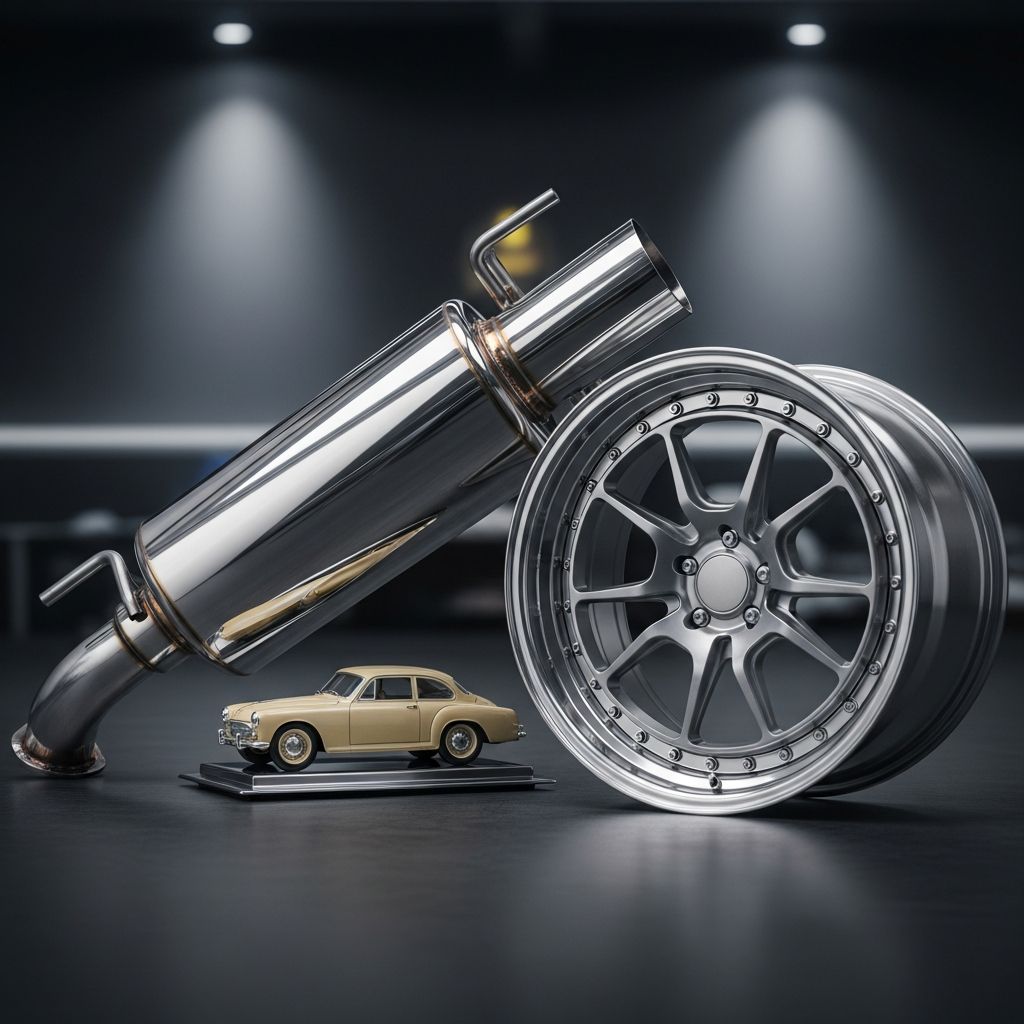
Installing aftermarket parts on a vehicle can transform its performance, appearance, and functionality, but it also raises questions about long-term financial implications, particularly regarding resale value. While some modifications enhance a car’s desirability, others may deter buyers or lower trade-in offers. This comprehensive guide examines the complex relationship between aftermarket components and a vehicle’s market worth, drawing on industry insights to help owners make informed decisions.
Defining Aftermarket Parts in the Automotive World
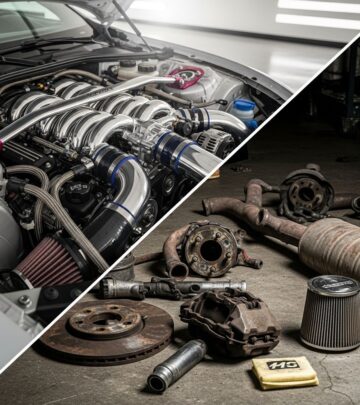
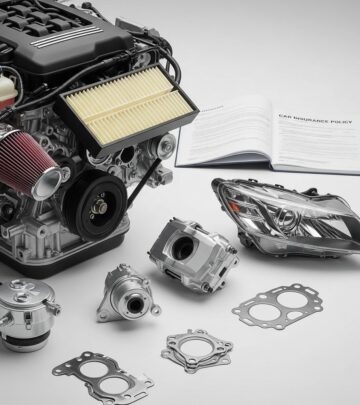
Aftermarket parts refer to components produced by third-party manufacturers, independent of the original equipment manufacturer (OEM) that built the car. These include everything from exhaust systems and suspension kits to body panels and interior accessories. Unlike OEM parts, which are designed specifically for a vehicle’s make and model to exact factory specifications, aftermarket options often prioritize affordability and customization.
Buyers choose aftermarket parts for their lower cost—typically 30-60% less than OEM equivalents—and variety, allowing personalization that OEM catalogs may not offer. However, variations in material quality, fitment precision, and durability can influence perceptions of reliability. High-end aftermarket brands may rival or surpass OEM standards, while budget options risk premature failure or aesthetic mismatches.
OEM Versus Aftermarket: A Comparative Analysis
To understand value impacts, compare OEM and aftermarket parts across key attributes:
| Attribute | OEM Parts | Aftermarket Parts |
|---|---|---|
| Cost | Higher (factory pricing) | Lower (30-60% savings) |
| Fit and Finish | Precise, seamless integration | Variable; premium options match OEM |
| Warranty Compatibility | Fully supported | May void or limit coverage |
| Resale Perception | Premium; maintains originality | Mixed; depends on quality and type |
| Durability | Engineered for longevity | Quality-dependent |
This table highlights why OEM parts often preserve value better, as they signal unaltered factory condition—a key factor in appraisals.
How Aftermarket Parts Influence Resale Value
The effect of aftermarket parts on resale value is not binary; it hinges on multiple variables. Appraisers prioritize overall condition, maintenance records, and market demand over part origins alone. Quality installations with documentation can mitigate concerns, but visible or poorly executed mods often lead to discounted offers—sometimes 5-10% below expectations.
For insurance claims, aftermarket repairs can alter total loss thresholds. Using cheaper non-OEM parts reduces repair estimates, potentially preventing a payout for diminished value while lowering the car’s post-repair market price. Trade-in scenarios amplify this, as dealers favor unmodified vehicles for easier resale.
Scenarios Where Aftermarket Parts Reduce Vehicle Worth
- Structural or Safety Components: Brakes, suspension, or frame parts from low-quality sources raise reliability flags, prompting buyers to negotiate down due to perceived risks.
- Visible Mismatches: Body kits, spoilers, or bumpers with imperfect alignment detract from aesthetics, appealing less to mainstream buyers.
- Warranty Conflicts: Mods that void manufacturer coverage, like engine tuners, scare off warranty-conscious shoppers.
- Leased Vehicles: Non-OEM repairs often incur end-of-lease penalties, reducing buyout values significantly.
These issues compound for newer models, where originality commands premiums in competitive used markets.
Cases Where Modifications Enhance Market Appeal
Not all aftermarket additions harm value; strategic upgrades can attract premium bids, especially in niche segments.
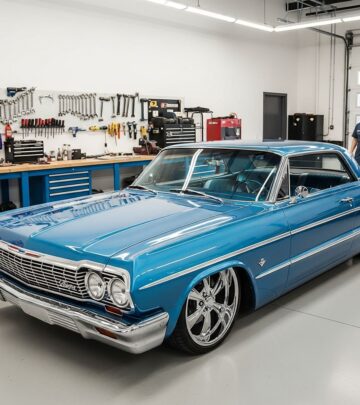
- Performance Boosts: Cold air intakes, exhaust upgrades, or suspension enhancements appeal to enthusiasts, potentially increasing value for sports cars or trucks.
- Technology Add-Ons: Modern infotainment, advanced lighting, or safety features fill OEM gaps, broadening buyer interest.
- Cosmetic for Older Cars: On high-mileage vehicles, affordable mirror replacements or wheel upgrades refresh appeal without OEM expense.
Documentation is crucial: receipts, installer certifications, and performance data build buyer confidence, often offsetting origin concerns.
Strategies to Protect or Maximize Your Car’s Value
Owners can navigate aftermarket pitfalls with proactive steps:
- Opt for Reputable Brands: Choose tier-1 aftermarket suppliers matching OEM specs to minimize quality doubts.
- Professional Installation: Certified technicians ensure proper fit, reducing future issues and proving workmanship.
- Maintain Records: Log all mods with photos, invoices, and specs—essential for appraisals.
- Reversibility: Keep OEM parts for potential swaps, offering buyer flexibility.
- Market Research: Target mods popular in your vehicle’s segment, like off-road kits for SUVs.
For repairs, request OEM where possible, especially on visible or critical areas, to safeguard resale potential.
Insurance and Legal Considerations
Aftermarket parts intersect with insurance via repair approvals. Policies rarely mandate OEM, allowing cost-saving substitutions that devalue cars post-collision. State regulations vary; some require disclosure of mods for registration or emissions. Non-compliant alterations, like extreme tinting, can fail inspections, further eroding value.
Diminished value claims post-repair should document pre-accident condition, arguing against non-OEM devaluation. Consulting appraisers early preserves leverage.
Buyer Perspectives in the Used Car Market
Private buyers weigh mods differently than dealers. Enthusiasts seek performance tweaks, paying premiums for documented upgrades, while families prioritize stock reliability. Dealer lots favor vanilla vehicles for mass appeal, docking modded cars to account for reconditioning costs.
Online listings reveal trends: cars with tasteful, reversible mods sell faster at parity or slight premiums, per marketplace data. Transparency—detailing parts in descriptions—fosters trust and competitive bidding.
Future Trends in Aftermarket and Valuation
Advancing manufacturing, like 3D printing and CAD precision, narrows the OEM-aftermarket quality gap. Electric vehicle mods, such as battery range extenders, may redefine value equations. Appraisers increasingly use AI tools scanning VINs and photos for mod detection, emphasizing documentation’s rising importance.
Sustainability pushes recycled aftermarket parts, potentially boosting eco-conscious resale niches. Owners should monitor evolving standards from bodies like SAE International for compliant upgrades.
Frequently Asked Questions
Do aftermarket parts always lower resale value?
No, high-quality, well-installed parts with records often maintain or increase value, especially performance-oriented ones.
Should I remove mods before selling?
Consider it for broad appeal; reverting to stock can simplify sales, though enthusiasts may prefer originals stored separately.
How do insurers handle aftermarket repairs?
They favor cheaper options to cut costs, which can prevent total loss declarations and reduce diminished value payouts.
Are aftermarket parts safe for daily driving?
Premium ones yes, matching OEM safety; avoid untested budget items for brakes or steering.
What’s the best documentation for mods?
Invoices, photos before/after, installer certs, and performance tests—keep digitally and physically.
References
- Can Aftermarket Parts Affect Your Car’s Resale Value? Here’s What WV Drivers Should Know — Freedom Collision Center. 2023. https://www.freedomcollisioncenterwv.com/can-aftermarket-parts-affect-your-cars-resale-value-heres-what-wv-drivers-should-know
- Do Aftermarket Parts Affect Car Resale Value? Complete Impact Analysis — PartsMax. 2024. https://partsmax.co/blogs/news/do-aftermarket-parts-affect-car-resale-value-complete-impact-analysis
- Do Aftermarket Mods Decrease the Value of a Car — Pedal Commander. 2023. https://pedalcommander.com/blogs/garage/mods-decrease-value
- Beware 7 Vehicle Mods That Can Affect Your Car’s Resale Value — Glendale Nissan. 2024. https://www.glendalenissanla.com/blog/beware-7-vehicle-mods-that-can-affect-your-cars-resale-value/
- How Insurers Devalue Cars with Non-OEM Parts — Total Loss Appraisals. 2023. https://totallossappraisals.com/how-insurers-devalue-cars-with-non-oem-parts/
- Do Car Upgrades Increase Resale Value? — Defensive Driving. 2024. https://www.defensivedriving.com/blog/do-car-upgrades-increase-resale-value/
Similar Articles








Read full bio of medha deb