Affordable Premium Flight Strategies
Master the art of accessing luxury cabin seating without excessive spending
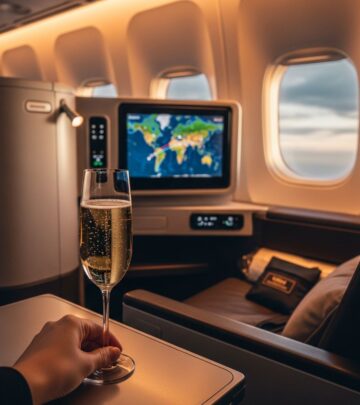
The allure of business class travel has captivated travelers for decades—reclining seats, premium dining, priority boarding, and enhanced comfort represent the pinnacle of air travel experiences. Yet for most passengers, the cost barrier seems insurmountable. Business class fares frequently command three to four times the price of economy tickets on the same route, making this luxury appear financially unrealistic for budget-conscious travelers. However, a growing number of savvy flyers have discovered that business class accessibility is far less about financial luxury and more about strategic knowledge and timing. By implementing targeted booking techniques, leveraging loyalty programs effectively, and understanding airline systems, travelers can unlock premium seating at substantially reduced costs.
Leveraging Airline Rewards and Credit Card Partnerships
The foundation of affordable premium travel lies in maximizing airline rewards programs, particularly those linked to travel-focused credit cards. These programs operate on a fundamental principle that benefits budget-conscious travelers: business class upgrades cost considerably fewer rewards points relative to their actual market value compared to economy bookings. This efficiency represents the most cost-effective method of accessing premium cabins through accumulated points.
Building a substantial rewards balance requires deliberate strategy. Enrolling in airline-branded credit cards allows travelers to earn points on everyday purchases—groceries, utilities, dining, and other routine expenses. American Express, recognized for its Membership Rewards program, provides particularly abundant opportunities for accumulating transferable points that can be directed toward airline partners. The critical distinction involves consciously directing accumulated points toward airline bookings rather than other redemption options.
Understanding alliance structures amplifies this strategy’s effectiveness. Major airline alliances unite dozens of carriers under shared loyalty programs. A traveler with United Airlines MileagePlus miles, for example, can access over 35 partner airlines including Lufthansa, Air Canada, and EVA Air. This flexibility enables combining points from multiple sources or selecting the airline partnership offering the most favorable redemption rates for a specific route.
Strategic timing further enhances rewards value. Contacting preferred customer service immediately after booking an economy ticket, when availability is known, can yield superior upgrade pricing in miles compared to pre-booking queries. Airlines sometimes reduce point requirements when seeking to fill remaining business class seats before departure, creating negotiation opportunities for status holders.
Capitalizing on Pricing Anomalies and Error Fares
Airlines occasionally publish business class fares at dramatically reduced rates due to system glitches, currency conversion errors, or manual data entry mistakes. These “error fares” represent some of travel’s most valuable opportunities, with documented cases of business class bookings priced at 80% or greater discounts compared to standard rates. The challenge lies in identifying and booking these fares before airline systems detect and correct the errors.
Timing significantly influences error fare discovery. These anomalies frequently emerge during system maintenance windows, late evening hours when fewer booking agents monitor systems, or during major airline website updates. Setting up price alerts on multiple platforms increases the probability of capturing these opportunities. Speed proves essential—popular routes can sell out within minutes of error fare identification.
Understanding which routes and airlines experience pricing glitches more frequently provides a targeting advantage. International routes involving currency conversions or complex multi-leg itineraries present higher error fare probability. Following aviation deal forums and travel reward communities creates early warning networks for identified pricing anomalies.
Strategic Route Selection and Mixed-Cabin Optimization
Route selection dramatically influences premium cabin pricing. Rather than accepting the first available business class option, sophisticated travelers analyze itineraries to identify mixed-cabin opportunities that substantially reduce overall costs while retaining premium benefits. For example, a journey from Minneapolis to Berlin via New York involves three segments: a short domestic flight, a transatlantic leg, and a potential European connection. Premium cabin pricing justifies only for longer international segments, while shorter regional flights remain better served through economy seating.
Mixed-cabin bookings under single reservations unlock additional value through unified pricing structures. Airlines often apply lower premium cabin rates when business class appears as one component of a complete itinerary rather than a standalone premium booking. This approach retains major premium benefits—lounge access, baggage allowances, priority seating—for the substantial international segment while minimizing overall costs.
Aircraft type selection further optimizes value. Some aircraft configurations offer disproportionately expensive business class pricing despite minimal comfort differences compared to other aircraft types. Conversely, shorter business class routes on full-flat bed aircraft may cost substantially less than economy fares on longer regional jets. Analyzing specific aircraft assigned to routes reveals these pricing inconsistencies.
Flexible Booking Approaches and Temporal Optimization
Traditional advice to book flights precisely six months in advance applies inconsistently to business class inventory. Premium cabins operate under distinct pricing algorithms compared to economy, with seat availability and pricing fluctuating based on corporate travel patterns, seasonal demand variations, and airline revenue management strategies.
Flexibility regarding travel dates produces remarkable cost savings. Rather than committing to specific departure and return dates, using flexible date search functionality reveals which dates within desired travel months offer premium cabin availability at reduced rates. Day-of-week patterns influence business class pricing substantially—weekend travel typically commands premium rates due to reduced corporate demand, while mid-week flights frequently offer superior value.
Implementing price tracking tools enables continuous monitoring of specific routes without immediate booking commitment. Establishing alerts for both economy and premium cabin fares provides comprehensive visibility into pricing trends. When rates drop toward acceptable thresholds, travelers receive notifications allowing rapid booking decisions.
Upgrade Auction Strategies and Last-Minute Opportunities
Airlines increasingly deploy upgrade auction systems and last-minute upgrade deals, creating accessible pathways to premium cabins without advance planning. These offerings directly target passengers booked in economy or premium economy, permitting competitive bidding for available business class upgrades. Participating in these auctions requires enrollment through airline websites or email communication from airline marketing programs.
Last-minute upgrade opportunities emerge at check-in and gates when business class seats remain unsold. Direct inquiries to ticketing agents and gate representatives regarding upgrade availability sometimes yield surprisingly favorable outcomes. Airlines prioritize revenue generation over empty premium seats, creating negotiation space when capacity remains available hours before departure.
Understanding airline upgrade policies by status tier enhances outcomes. Frequent flyer elite members receive automatic upgrade eligibility based on tier level and current availability. Even non-elite travelers can sometimes secure favorable upgrade pricing by requesting agent assistance before boarding, particularly during less popular travel periods.
International Website and Regional Pricing Variations
Airline pricing structures differ significantly across regional websites and currency markets. A business class ticket priced in United States dollars from a U.S.-based website may cost substantially less when purchased through foreign airline websites using local currencies and payment methods. Currency exchange rates, regional tax structures, and geographically targeted pricing create these variations.
Leveraging Virtual Private Networks (VPNs) enables travelers to access foreign website versions while maintaining legal compliance. Searching for identical routes through various regional airline sites frequently reveals price differences of 15-30%, particularly for long-haul international flights. This approach requires patience and research but can yield significant savings on premium cabin bookings.
Understanding Mainstream Carrier Alternatives
Flying with less unconventional airlines or accepting connecting flights provides average savings of 25% on business class fares compared to direct flights on major carriers. While premium cabin service standards remain generally consistent across quality carriers, pricing structures vary substantially. Carriers with smaller market shares often implement aggressive pricing strategies on premium cabins to build market presence and generate premium cabin utilization.
Analyzing complete itineraries including connections sometimes produces lower overall costs than direct premium flights. A booking involving one connection may cost substantially less while adding only minimal total travel time. The business class experience on both segments frequently justifies the connection complexity.
Frequently Asked Questions
Are mistake fares legally binding after booking?
When passengers successfully book error fares before airlines correct pricing errors, these bookings are typically honored. Airlines maintain this policy to preserve customer trust and manage public relations around pricing mishaps. Booking immediately upon identifying error fares maximizes the probability of confirmation before correction.
How far in advance should business class tickets be purchased?
Unlike economy booking recommendations, business class pricing optimization depends more on specific route demand patterns than fixed advance booking windows. Monitoring prices continuously while using alerts provides better value than adhering to traditional timing rules.
Do upgrade auctions guarantee business class confirmation?
Upgrade auctions represent competitive bidding processes where highest bidders receive priority. Confirmation depends on outbidding other passengers and seat availability. Last-minute availability, however, sometimes produces successful upgrades for modest payments.
Can VPN usage create booking complications?
Using VPNs to access regional airline websites remains legal for price comparison purposes. However, payment method and reservation names must align with a traveler’s location and identity documentation to prevent booking cancellations or complications during check-in.
Implementation Strategy Summary
Successfully accessing business class at economy pricing combines multiple techniques rather than relying on single strategies. Beginning with airline credit card enrollment and rewards accumulation establishes the foundation. Simultaneously implementing flexible date searches, price alerts, and error fare monitoring creates layered opportunities. Understanding route-specific pricing, mixed-cabin optimization, and regional variations provides specialized knowledge advantages. Finally, remaining prepared to act rapidly when error fares or upgrade opportunities emerge ensures successful premium cabin access at substantially reduced costs.
The business class travel experience—once considered exclusively reserved for corporate expense accounts and wealthy leisure travelers—has become increasingly accessible through systematic application of these strategies. The investment in research and booking sophistication yields premium comfort and service experiences at costs comparable to or sometimes lower than conventional economy bookings on identical routes.
References
- 6 Smart Ways To Fly Business Class Without Paying A Fortune — NDTV Travel. Accessed March 2026. https://www.ndtv.com/travel/6-smart-ways-to-fly-business-class-without-paying-a-fortune-10895932
- Fly in style: How to get cheap Business Class tickets — KAYAK News. Accessed March 2026. https://www.kayak.com/news/how-to-get-cheap-business-class-tickets/
- Secret Hacks To Fly BUSINESS CLASS For Cheap — David G, YouTube. Accessed March 2026. https://www.youtube.com/watch?v=jq-6xdBvb40
- How to fly business class for cheap | Skyscanner US — Skyscanner. Accessed March 2026. https://www.skyscanner.com/tips-and-inspiration/how-to-find-the-cheapest-business-class-flights
- 4 Genius Hacks to Fly Business Class Without Being Rich — WanderWithJo. Accessed March 2026. https://www.wanderwithjo.com/hacks-to-fly-business-class/
- 7 Tricks to Get Cheap Business Class Flights in 2026 — Skyluxtravel. Accessed March 2026. https://www.skyluxtravel.com/business-class-flights/bytes/7-tricks-to-get-cheap-business-class-flights-in-2025/
Similar Articles








Read full bio of medha deb