Affordable Dental Care: Fix Your Teeth for Less
Discover budget-friendly ways to get quality dental care without breaking the bank.
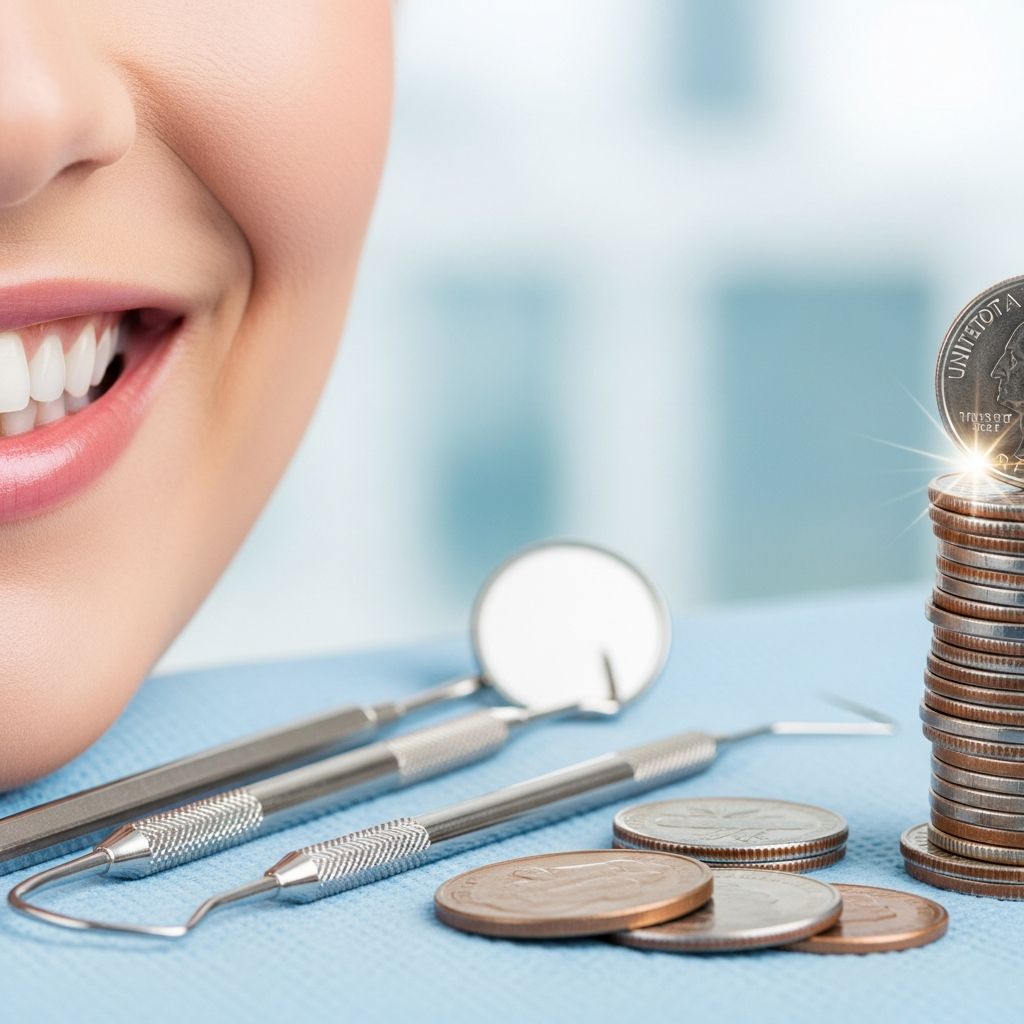
Spending Too Much on Dental Care? Here’s How to Fix Your Teeth for Less
Dental care expenses can quickly become overwhelming, especially for those without insurance or with high out-of-pocket costs. Many people delay necessary dental work because they cannot afford traditional dental services. However, numerous affordable options exist that provide quality care without the hefty price tag. Understanding these alternatives can help you maintain excellent oral health while staying within your budget.
Why Dental Care Costs So Much
Dental procedures are expensive for several reasons. Advanced equipment, specialized training, and overhead costs contribute to high prices at traditional dental offices. Additionally, many dental insurance plans have waiting periods, annual maximums, and significant copayments. For those without insurance, the cost burden falls entirely on the patient. Understanding why dental care is expensive helps justify the investment in your oral health and motivates you to seek cost-effective solutions.
Community Health Centers: Your Gateway to Affordable Care
Community Health Centers (CHCs) are federally funded facilities that provide affordable dental services on a sliding fee scale based on income. These centers are primarily designed to serve underserved populations and ensure that everyone has access to quality healthcare, including dental care. By visiting a CHC, you may lower your dental costs by up to 24%.
Community health centers offer:
- Income-based sliding fee scales
- Comprehensive dental examinations
- Cleanings and preventive care
- Restorative treatments such as fillings
- Emergency dental services
To find a community health center near you, visit the U.S. Health Resources and Services Administration’s website or search for Federally Qualified Health Centers (FQHCs) in your area. These centers are strategically located across the country, making them accessible to a wide range of people.
Dental Schools: Learning Clinics with Professional Supervision
Dental schools offer a unique opportunity to receive quality dental care at significantly reduced rates. Many teaching facilities operate training clinics where dental students perform treatments under the strict supervision of experienced, licensed faculty dentists. This arrangement benefits both patients and students: patients receive affordable care, and students gain practical experience in a controlled environment.
Key advantages of dental school clinics include:
- Savings of up to 50% on various dental services
- Treatments performed by supervised students and faculty
- Quality care comparable to traditional practices
- Access to the latest dental techniques and technology
- Range of services from routine cleanings to complex procedures
While appointments may take longer because students are learning, the thorough care and significant savings make this an excellent option for those without insurance. To find an accredited dental school near you, consult the American Student Dental Association’s website or the American Dental Association’s directory of accredited dental schools.
Sliding Scale Clinics and Charitable Programs
Sliding scale clinics adjust their fees based on your income, making dental services more accessible to individuals and families with limited financial resources. These clinics help ensure that essential dental care is within reach for everyone, regardless of their financial situation.
In addition to sliding scale clinics, charitable dental events organized by local communities, nonprofit organizations, and dental schools provide free or low-cost dental services to individuals in need. Examples include:
- The Ben Massell Dental Clinic in Atlanta, staffed by volunteer dentists offering free services
- Nashville’s Interfaith Dental Clinic, which accepts people with low incomes on a first-come, first-serve basis with fees based on ability to pay
- Local nonprofit dental clinics available through United Way’s 211.org website
These charitable dental events typically offer a range of services from basic cleanings to more complex procedures, helping to bridge the gap for those who might otherwise go without necessary dental care.
Dental Savings Plans: An Alternative to Insurance
Dental savings plans provide an excellent alternative for those seeking affordable dental care without traditional insurance. Unlike insurance, dental discount plans offer immediate savings without waiting periods or annual limits. For a low annual fee of typically $80-$200, members receive discounts of 10-60% on most dental services.
Benefits of dental savings plans include:
- No waiting periods or exclusions
- No annual maximum limits
- Immediate eligibility upon enrollment
- Discounts available at thousands of participating dentists
- Simple process: present your membership card to receive pre-negotiated discounts
This option can be particularly beneficial for those who do not have traditional dental insurance but want to maintain their dental health without incurring high costs. Dental savings plans can provide major discounts on procedures such as exams, cleanings, and fillings.
Government Assistance Programs and Veterans Benefits
Various government programs provide dental assistance to eligible individuals. These programs include Medicaid, CHIP (Children’s Health Insurance Program), and Veterans Affairs (VA) benefits. Additionally, some states offer specific dental programs for low-income residents. Veterans can access dental care through the VA, which may cover various dental procedures depending on their service-related disabilities and eligibility status.
To explore government assistance options:
- Contact your state’s Medicaid office
- Visit your state health department website
- Check with local social services for additional programs
- For veterans, contact your local VA dental clinic
Payment Plans and In-Office Options
Many dental practices offer flexible payment options to make care more affordable. Talk to your dentist to see if you can lower your costs by setting up a payment plan or negotiating the costs upfront. Some dentists offer savings of 10-20% for immediate payment, which can actually make costs comparable to what you would pay as a copay with insurance.
Payment options to discuss with your dentist:
- Monthly payment plans
- CareCredit and similar medical credit cards
- In-office membership plans offering discounts
- Discounts for upfront payment
- Health Savings Account (HSA) options
Direct Primary Dental Care is an emerging subscription-based model where you pay a monthly fee for routine preventive care and receive discounts on additional procedures, eliminating insurance bureaucracy while providing predictable costs.
Local Health Departments and Free Clinics
Local health departments can be valuable resources for individuals seeking affordable dental care. These departments often provide access to essential dental services at reduced costs through community-based programs and clinics. Free dental clinics, staffed by volunteer dentists and specialists, offer a full range of services at no cost to those who qualify.
To find free or low-cost dental clinics:
- Search United Way’s 211.org website
- Contact your local health department
- Look for state or local directories of safety net dental clinics
- Search online for “free dental clinics near me”
- Call your county’s social services office
Prevention: The Most Affordable Dental Care
The most affordable dental care is the treatment you never need. Strong preventive habits can dramatically reduce your lifetime dental expenses. Even without insurance coverage, a basic cleaning and exam at an affordable practice costs $75-$200, which is a worthwhile investment that can save thousands in major restorative work later.
Implement these preventive practices:
- Brush your teeth twice daily with fluoride toothpaste
- Floss daily to remove plaque between teeth
- Limit sugary foods and beverages
- Avoid tobacco products
- Schedule regular dental checkups and cleanings
- Wear a mouthguard if you play contact sports
- Replace your toothbrush every three to four months
Regular preventive care at an affordable clinic can help you avoid costly procedures down the road, making it one of the best investments in your long-term health.
Comparing Affordable Dental Care Options
| Option | Cost Range | Potential Savings | Best For |
|---|---|---|---|
| Community Health Centers | Sliding scale | Up to 24% | Low-income individuals, comprehensive care |
| Dental Schools | Significantly reduced | Up to 50% | Patient who can wait longer for appointments |
| Dental Savings Plans | $80-$200/year + services | 10-60% on procedures | Regular users of dental services |
| Free Clinics | Free | 100% | Emergency care, severe financial hardship |
| Payment Plans | Variable | 10-20% for upfront payment | Specific procedures, flexible budgeting |
Frequently Asked Questions (FAQs)
Q: Is dental care from dental schools as good as traditional dentistry?
A: Yes, dental school clinics provide quality care under the supervision of experienced, licensed faculty dentists. While appointments may take longer because students are learning, the care is thorough and professional.
Q: How do I find a community health center near me?
A: Visit the U.S. Health Resources and Services Administration’s website or search for Federally Qualified Health Centers (FQHCs) in your area using their health center finder tool.
Q: Are dental savings plans worth it if I don’t go to the dentist often?
A: Dental savings plans are most beneficial for those who use dental services regularly. However, if you have even one major procedure per year, the discount may offset the annual fee.
Q: Can I use a payment plan even if I have insurance?
A: Yes, many dentists offer payment plans for any out-of-pocket costs, including deductibles, copayments, and services not covered by insurance.
Q: What should I do if I have a dental emergency but no money?
A: Contact a free dental clinic, charitable dental organization, or local health department. Many offer emergency services to those in financial hardship. You can also call 211 (United Way) for referrals.
Q: Do dental schools only offer basic care?
A: No, dental schools offer a wide range of services from routine cleanings to complex procedures. Services typically include fillings, extractions, and other restorative treatments.
Q: How much can I save with preventive dental care?
A: Preventive care costs $75-$200 for a basic cleaning and exam but can save thousands in major restorative work and emergency treatments over your lifetime.
Taking the Next Steps
Finding affordable dental care requires some research, but quality care is available for those without insurance or with limited budgets. By combining strategies like dental schools, community health centers, discount plans, payment options, and strong preventive habits, you can maintain excellent oral health on a budget. Start by identifying which option best fits your situation and needs, then reach out to schedule an appointment. Your oral health is too important to neglect, and these affordable options make quality care accessible to everyone.
References
- Affordable Dental Care Without Insurance: Options That Make Sense — Oviedo Dentists. Accessed January 2026. https://oviedodentists.com/affordable-dental-care-without-insurance/
- I Need Dental Work But Have No Money — Somos Dental. Accessed January 2026. https://somosdental.com/i-need-dental-work-but-have-no-money/
- How to Manage Dental Costs Without Insurance — GoodRx. Accessed January 2026. https://www.goodrx.com/conditions/dental-care/manage-dental-costs-without-insurance
- Where can I find low-cost dental care? — U.S. Department of Health & Human Services. Accessed January 2026. https://www.hhs.gov/answers/health-insurance-reform/where-can-i-find-low-cost-dental-care/index.html
- 6 Affordable Options for Seeing a Dentist Without Insurance Coverage — Modern Family Dental Care. Accessed January 2026. https://modernfamilydentalcare.com/6-affordable-options-for-seeing-a-dentist-without-insurance-coverage/
- Free or Low-Cost Dental Care When You’re Uninsured — WebMD. Accessed January 2026. https://www.webmd.com/health-insurance/uninsured-free-low-cost-dental
- 11 Ways to Pay for Your Dental Care — AARP. Accessed January 2026. https://www.aarp.org/health/healthcare/dental-care-payment-options/
Similar Articles








Read full bio of Sneha Tete