AES Student Loans: What You Need to Know
Complete guide to managing AES student loans, repayment options, refinancing, and borrower resources.

Understanding American Education Services (AES)
American Education Services (AES) is a national loan servicer that manages student loan payments and administrative duties for millions of borrowers across the United States. Established by the Pennsylvania Higher Education Assistance Agency (PHEAA), AES operates as a loan servicer rather than a lender, meaning it does not originate new student loans but instead manages existing loans on behalf of lending institutions and the federal government.
AES primarily services Federal Family Education Loan Program (FFEL) loans, which were issued before the federal government discontinued the program on June 30, 2010. Additionally, AES services private student loans for various lending partners throughout the country. It’s important to understand that AES does not set interest rates on these loans—rates are either determined by Congress for federal loans or by individual private lenders for private loans.
What Does AES Actually Do?
As a student loan servicer, AES handles numerous essential functions to help borrowers manage their student loan obligations effectively. When you have a loan serviced by AES, the organization manages the administrative and operational aspects of your loan account rather than making lending decisions.
The primary responsibilities of AES include:
- Processing and collecting monthly student loan payments from borrowers
- Maintaining accurate account records and loan balances
- Helping borrowers modify or change their repayment plans
- Addressing borrower questions and concerns through customer service
- Reporting payment history to credit bureaus
- Managing deferment and forbearance requests
- Providing information about loan forgiveness programs
- Offering various payment methods for convenience
PHEAA, AES’s parent company, uses its earnings from servicer operations to cover operating expenses and support its public service mission, which includes administering the Pennsylvania State Grant program and developing innovative solutions to reduce the financial burden of student loans for students, families, schools, and taxpayers.
Types of Loans Serviced by AES
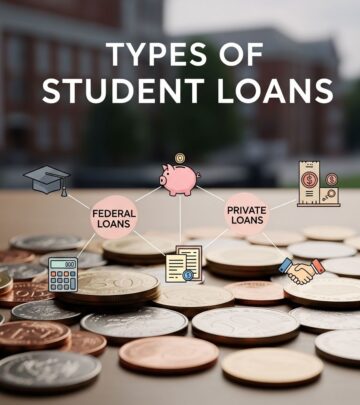
Understanding the specific type of loan you have with AES is crucial because it affects your eligibility for various repayment options and forgiveness programs. AES primarily manages two categories of student loans:
Federal Family Education Loan Program (FFEL) Loans
These federally-backed loans were issued before June 30, 2010, when the federal government discontinued the program in favor of Direct Loans. If you have an AES-serviced loan, there’s a strong probability it originated under the FFEL program. FFEL loans offer various borrower protections and forgiveness options, though they differ slightly from newer Direct Loan programs.
Private Student Loans
AES also services private student loans for various lending partners throughout the country. These loans typically have different terms, interest rates, and repayment options compared to federal loans. Private loans are not backed by the federal government and generally offer fewer borrower protections.
Payment Methods and Flexibility
AES recognizes that borrowers have different preferences for managing their payments. The servicer offers multiple payment methods to accommodate various lifestyles and financial situations:
- Online payments through the AES website
- Automatic debit payments from bank accounts
- Phone-based payment options
- Mail-in payment processing
- Mobile app payment capabilities
One significant benefit AES offers is a 0.25% interest rate reduction for borrowers who enroll in the direct debit payment option. While this may seem modest, it can result in meaningful savings over the life of a loan, especially for borrowers with larger balances.
Repayment Plan Options
AES provides borrowers with flexibility in how they repay their student loans through multiple repayment plan options. Choosing the right repayment plan is essential for managing your financial obligations effectively.
Standard Repayment Plan
The standard repayment plan requires borrowers to make fixed monthly payments over a 10-year period. This plan is ideal for borrowers who can afford reasonable monthly payments and want to minimize total interest paid over the life of the loan.
Income-Based Repayment (IBR)
The Income-Based Repayment plan calculates your monthly payment based on your discretionary income and family size. This plan extends your repayment period beyond the standard 10 years, resulting in lower monthly payments. However, you’ll pay more interest overall due to the extended timeframe. After 20 to 25 years of qualifying payments, any remaining loan balance may be forgiven, though you may owe taxes on the forgiven amount.
Income-Sensitive Repayment
This repayment option bases your monthly payment on your monthly gross income and total student loan debt. Monthly payments adjust annually based on changes to your income, providing flexibility if your earning potential fluctuates.
Extended Repayment Plan (25-Year)
The extended repayment plan reduces your monthly payment obligations by spreading them across 25 years instead of the standard 10-year period. While this results in lower monthly payments, borrowers pay significantly more in total interest due to the extended repayment timeline.
Deferment and Forbearance Options
Life circumstances can sometimes make it difficult to maintain regular loan payments. AES provides deferment and forbearance options for borrowers facing genuine financial hardship.
Student Loan Deferment
Deferment allows borrowers to temporarily pause their monthly student loan payments without defaulting on their obligations. To qualify for deferment on federal loans, you typically must meet specific eligibility requirements such as being enrolled in school at least half-time, pursuing approved graduate fellowship or rehabilitation training, experiencing economic hardship, or being on active duty in the military.
The treatment of interest during deferment depends on your loan type. If you have subsidized federal loans, the government pays the interest that accrues during deferment, and you don’t owe anything extra. However, if you have unsubsidized loans, interest continues to accrue, and you’ll need to either pay the interest or allow it to be capitalized (added to your principal balance).
Student Loan Forbearance
Forbearance is similar to deferment in that it allows you to pause your monthly payments. However, key differences exist between the two options. During forbearance, you remain responsible for paying all accruing interest, even on subsidized federal loans. This means your loan balance may increase if you don’t pay the interest that accumulates during the forbearance period. Forbearance eligibility requirements differ from deferment and may be more lenient for some borrowers.
Interest Rates and Fee Structure
Understanding how interest rates work with AES is essential for managing your student loan costs effectively. A critical point to remember is that AES does not set or control the interest rates on your loans.
For federal FFEL loans, Congress establishes the interest rates, which are fixed for the life of the loan. For private student loans serviced by AES, individual private lenders who originated the loans set the interest rates. These rates may be fixed or variable, depending on your loan agreement.
You can discover your specific interest rate through several methods: reviewing your loan documents, checking your account through the AES website, calling AES customer service, or accessing your account information through online portals.
How to Lower Your AES Interest Rates
Since AES doesn’t set your interest rates, your options for directly reducing rates through the servicer are limited. However, several strategies can help lower your overall borrowing costs:
Direct Debit Discount
Enrolling in AES’s automatic payment deduction program qualifies you for a 0.25% interest rate reduction on your loans. This discount applies automatically once you set up direct debit from your bank account.
Loan Refinancing
If you’re seeking more substantial interest rate reductions, refinancing your AES student loans through a private lender may be an option. Refinancing involves taking out a new private loan to pay off your existing AES loans. To qualify for favorable refinancing terms, you’ll typically need to demonstrate good credit (generally 700 or above) and stable income.
Refinancing Your AES Student Loans
Refinancing can be an effective strategy for borrowers seeking to lower their interest rates and reduce total interest paid over the life of their loans. However, it’s essential to carefully consider the pros and cons before proceeding.
Advantages of Refinancing
The primary benefit of refinancing is securing a lower interest rate if you qualify as a borrower with good credit. The interest savings can then be applied to your principal balance, allowing you to pay off debt faster. For borrowers with six-figure student loan balances, refinancing can result in substantial savings over the life of the loan.
Disadvantages of Refinancing
Refinancing federal student loans through a private lender means losing federal borrower protections and benefits. You’ll lose access to income-driven repayment plans, deferment and forbearance options, and federal loan forgiveness programs. Additionally, refinancing typically requires a credit check, which may temporarily impact your credit score.
Top Refinancing Options for AES Loans
For borrowers considering refinancing their AES student loans, several reputable private lenders offer competitive rates and terms:
Earnest: Best for Flexible Repayment
Key Features: Earnest offers flexible repayment terms and customizable loan payments, making it suitable for borrowers with varying financial situations. The company allows cosigners and provides deferment or forbearance options for up to 36 months. Earnest offers fixed interest rates starting at 4.79% APR and variable rates starting at 5.88% APR. New borrowers can receive refinancing bonuses of $200 for refinancing between $50,000 and $99,999, or $1,000 for refinancing $100,000 or more.
LendKey: Best for Community Banks and Credit Unions
Key Features: LendKey connects borrowers with smaller community banks and credit unions they might not otherwise discover independently. This network approach can result in more personalized service and flexible underwriting criteria. The platform allows cosigners and offers deferment or forbearance options. LendKey provides fixed rates starting at 4.54% APR and variable rates starting at 4.50% APR. Bonus structures vary by loan amount, ranging from $100 for smaller loans up to $1,250 for refinancing $150,000 or more.
Additional Refinancing Considerations
When evaluating refinancing options, compare not only interest rates but also loan terms, flexibility in repayment plans, available forbearance options, and any incentive bonuses. Calculate the total interest you’ll pay under various scenarios to determine which refinancing option provides the most value for your specific situation.
AES Loan Forgiveness Programs
For borrowers with substantial student loan debt, forgiveness programs can provide meaningful relief. However, eligibility and tax implications vary depending on the program type.
Income-Driven Repayment Forgiveness
If you maintain qualifying payments under an income-driven repayment plan for 20 to 25 years (depending on the specific plan), any remaining loan balance may be forgiven. It’s crucial to understand that you’ll generally owe income taxes on the amount forgiven under this program.
Public Service Loan Forgiveness (PSLF)
Borrowers employed by qualifying government agencies or nonprofit organizations may be eligible for Public Service Loan Forgiveness after making 120 qualifying payments while employed in public service. A key advantage of PSLF is that you do not owe taxes on the forgiven amount, unlike income-driven repayment forgiveness.
Managing Your AES Account
Effectively managing your AES student loan account involves staying informed about your account status and utilizing available resources. You can access your account information through the AES website, contact customer service for questions or concerns, request changes to your repayment plan, and explore options for handling financial difficulties through deferment or forbearance.
Frequently Asked Questions (FAQs)
Q: Is American Education Services a federal student loan lender?
A: No, AES is not a lender. It’s a loan servicer that manages federal and private student loans on behalf of the U.S. Department of Education and private lending institutions. AES handles administrative functions but does not originate loans.
Q: What types of loans does AES service?
A: AES primarily services Federal Family Education Loan Program (FFEL) loans issued before June 30, 2010, and private student loans for various lending partners throughout the country.
Q: Can AES change my interest rate?
A: AES does not set interest rates and cannot change them directly. However, you can receive a 0.25% interest rate reduction by enrolling in AES’s direct debit payment option, or you can refinance your loans through a private lender.
Q: What happens if I can’t make my loan payments?
A: If you’re experiencing financial hardship, you may qualify for deferment or forbearance through AES. These options allow you to temporarily pause payments, though interest treatment differs between the two programs.
Q: What is the difference between deferment and forbearance?
A: Both options allow you to pause payments during financial hardship. The main difference is that during deferment on subsidized loans, the government pays accruing interest, while during forbearance, you’re responsible for all accruing interest.
Q: Can I refinance my AES federal loans?
A: Yes, you can refinance AES federal loans through private lenders. However, refinancing means losing federal borrower protections and forgiveness programs. Ensure you understand the tradeoffs before proceeding.
Q: How do I contact AES for questions or changes?
A: You can contact AES through their website at aessuccess.org, by phone, by mail, or through your online account portal to manage your loans, change payment plans, or discuss available options.
References
- American Education Services (AES) — Official Website. 2025. https://www.aessuccess.org
- Refinance AES Student Loans: What You Should Know First — Student Loan Planner. 2025. https://www.studentloanplanner.com/refinance-aes-student-loans-what-you-should-know-first/
- AES Student Loans Review: What You Should Know — Credible. 2025. https://www.credible.com/blog/refinance-student-loans/what-you-should-know-about-aes-student-loans/
- American Education Services Overview: What To Know — Bankrate. 2025. https://www.bankrate.com/loans/student-loans/aes-student-loans/
- American Education Services Customer Service: How It Can Help — NerdWallet. 2025. https://www.nerdwallet.com/student-loans/learn/american-education-services-customer-service-what-it-can-do-and-how-to-contact
- Repayment Plans — American Education Services. 2025. https://www.aessuccess.org/manage/repaying-your-loan/repayment-plans
- 2025 Review: American Education Services (AES) Private and Federal Student Loans — LendEDU. 2025. https://lendedu.com/blog/our-aes-student-loans-review/
Similar Articles








Read full bio of medha deb