Unlocking the Advantages of Digital Credit Card Statements
Discover how switching to electronic statements enhances security, saves space, and supports eco-friendly habits for smarter financial management.
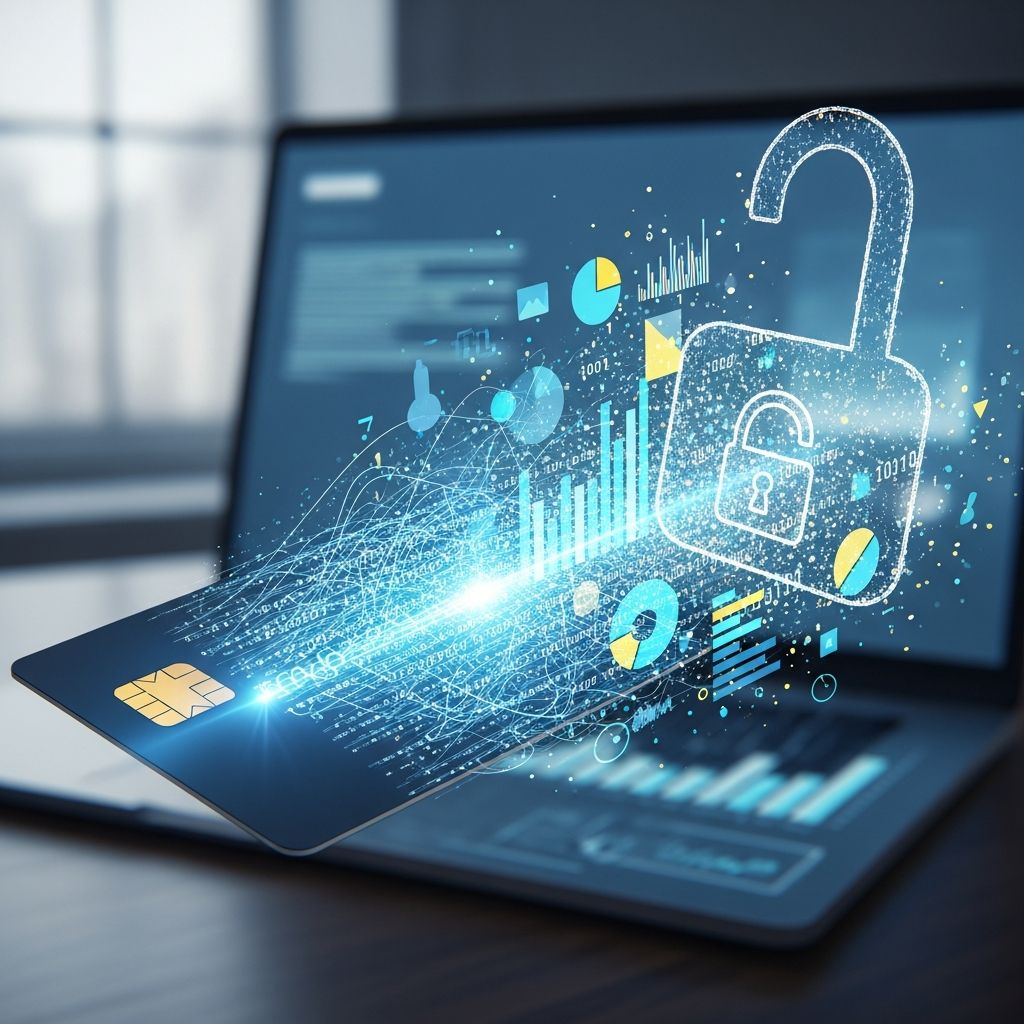
Transitioning to digital credit card statements represents a modern shift in personal finance management, offering a range of practical improvements over traditional paper versions. These electronic documents provide immediate availability, bolstered protection, and streamlined organization, making them an appealing choice for tech-savvy users and those aiming to simplify their routines.
Why Digital Statements Are Gaining Popularity
In today’s fast-paced world, financial tools must adapt to digital lifestyles. According to data from the Consumer Financial Protection Bureau, the adoption of exclusive e-statements among cardholders rose significantly from 25% in 2014 to 56% by 2020, reflecting a clear trend toward convenience and efficiency. Banks and issuers promote this option not only for customer benefits but also for cost reductions in printing and mailing.
Digital statements eliminate the delays of postal delivery, allowing users to review details the moment they post. This immediacy proves invaluable for monitoring transactions, spotting irregularities early, and maintaining budget discipline without sifting through physical piles.
Enhanced Security Through Electronic Delivery
One of the standout features of digital statements is their superior security profile compared to mailed paper. Physical mail runs the risk of interception by thieves or exposure in shared living spaces, potentially leading to identity theft. Electronic versions bypass mailboxes entirely, arriving via secure online portals protected by encryption, multi-factor authentication, and login credentials.
Even if digital clutter accumulates in email inboxes, accessing the actual statement requires verified account access, adding layers of defense. Financial experts note that partial account masking in notifications further minimizes risks, ensuring sensitive data like full card numbers remains shielded.
- Eliminates mail theft vulnerabilities.
- Employs bank-grade encryption for data transmission.
- Prevents casual snooping by household members.
Instant and Flexible Access Anytime, Anywhere
With digital statements, availability trumps the postal system’s unpredictability. Users receive email alerts signaling new statements, enabling instant login via apps or websites from any device—be it smartphone, tablet, or computer. This 24/7 accessibility shines during travel, tax season, or quick balance checks.
Searching functionality elevates this further: keywords like merchant names or dates yield results across multiple periods in seconds, far outpacing manual paper reviews. Archives often span 12 to 18 months or more, downloadable as PDFs for offline use or sharing with advisors.
| Feature | Paper Statements | Digital Statements |
|---|---|---|
| Access Speed | Days via mail | Immediate upon posting |
| Searchability | Manual flipping | Keyword instant search |
| Device Compatibility | Home filing only | Any internet-enabled device |
Decluttering Homes and Simplifying Organization
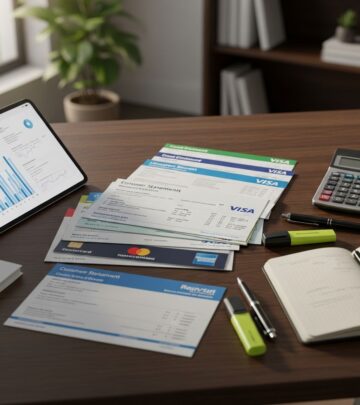
Paper statements contribute to household chaos, stacking up in drawers or recycling bins. Digital alternatives free up physical space, replacing bulky cabinets with compact cloud storage or device folders. No more lost documents amid junk mail or accidental discards—everything stays digitally archived and retrievable.
Organization becomes intuitive: label, tag, or folder-sort files effortlessly. This setup aids long-term recordkeeping, essential for audits, disputes, or financial planning, without the hassle of shredding sensitive papers.
Cost Savings and Fee Avoidance Opportunities
Many institutions now impose fees for paper statements to offset printing and postage expenses, often $1 to $5 monthly. Opting for digital versions sidesteps these charges, yielding annual savings that compound over accounts. While not universal, this incentive encourages the switch, particularly for multi-account holders.
Beyond direct fees, indirect savings emerge from efficient management: quicker fraud detection reduces potential losses, and easy access prevents late payments that trigger penalties.
Contributing to Environmental Sustainability
Paper production drives deforestation, water consumption, and emissions—issues mitigated by widespread digital adoption. Each household going paperless conserves trees and cuts waste from printing inks and transport fuels. Financial providers highlight this ‘green’ perk, aligning personal finance with planetary health.
Collectively, if millions shift, the impact scales: reduced landfill contributions and lower carbon footprints from avoided manufacturing. Users feel empowered making eco-conscious choices without sacrificing functionality.
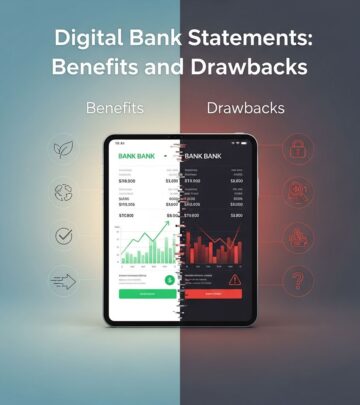
Potential Drawbacks and Smart Mitigation Strategies
Despite advantages, digital statements aren’t flawless. Readability on small screens can challenge some, and reliance on internet access poses issues during outages. Older records might have retention limits, and inbox overload risks overlooking alerts.
To counter these:
- Download and backup statements regularly to personal drives or clouds like Google Drive.
- Enable app notifications for statement readiness, bypassing email clutter.
- Print selectively for critical needs, maintaining hybrid control.
- Use password managers for secure, quick logins.
For those preferring tangibles, many platforms allow on-demand printing, blending digital perks with familiar formats.
How to Seamlessly Switch to Paperless
Making the change is straightforward. Log into your card issuer’s online portal or app, navigate to preferences or communications settings, and select ‘paperless’ or ‘e-statements.’ Confirm via email, and future deliveries shift digital.
Review settings post-switch: ensure alerts are active, archives accessible, and downloads tested. Most providers retain paper options for opt-out, offering flexibility.
Real-World Impacts on Financial Habits
Adopters report heightened vigilance: frequent logins foster proactive monitoring, curbing overspending and errors. Budget apps integrate seamlessly with e-statements, automating categorizations and insights. Over time, this builds financial literacy and discipline.
For families, shared access via secure links simplifies joint reviews without duplicate mails. Businesses or freelancers benefit from streamlined expense tracking for reimbursements or taxes.
Frequently Asked Questions
Are digital statements as legally valid as paper ones?
Yes, electronic statements hold the same legal weight under the Electronic Signatures in Global and National Commerce Act (E-SIGN), provided they are accessible and reproducible.
How long are e-statements typically stored?
Most issuers archive 12-24 months online; download beyond that for permanence.
Can I revert to paper statements later?
Absolutely—contact your issuer or toggle settings to resume mail delivery, though fees may apply.
Is my data safe from hackers?
Reputable banks use industry-standard encryption and compliance like PCI DSS; enable two-factor authentication for extra protection.
Do all credit cards offer paperless options?
Nearly all major issuers do; check your account dashboard or call support.
Future Trends in Digital Financial Statements
Advancements like AI-driven summaries and predictive alerts promise even greater value. Integration with wearables and voice assistants could make reviews conversational. As adoption nears universality, paper fades, ushering sustainable, intelligent finance eras.
References
- Pros and Cons of Paperless Bank Statements — Experian. 2023-05-15. https://www.experian.com/blogs/ask-experian/pros-cons-paperless-banking-statements/
- Reasons to Go Paperless — First National Bank of Michigan. 2024-02-10. https://fnbmichigan.bank/news/reasons-to-go-paperless/
- Going Paperless With Credit Card Statements: Pros, Cons and Tips — NerdWallet. 2023-11-20. https://www.nerdwallet.com/credit-cards/learn/tips-for-managing-credit-card-e-statements
- Paperless Statements — Associated Bank. 2024-01-08. https://www.associatedbank.com/personal/digital-banking/paperless
- Benefits of Paperless Banking — CFNA. 2023-09-12. https://www.cfna.com/learning-center/the-benefit-of-paperless-banking
- The Benefits of Paperless Statements — Synovus. 2023-07-22. https://www.synovus.com/personal/resource-center/managing-your-finances/benefits-of-paperless-statements/
Similar Articles








Read full bio of medha deb