Advantages And Disadvantages Of Budgeting
Discover how budgeting can transform your money habits while understanding the drawbacks so you can build a plan that fits your life.
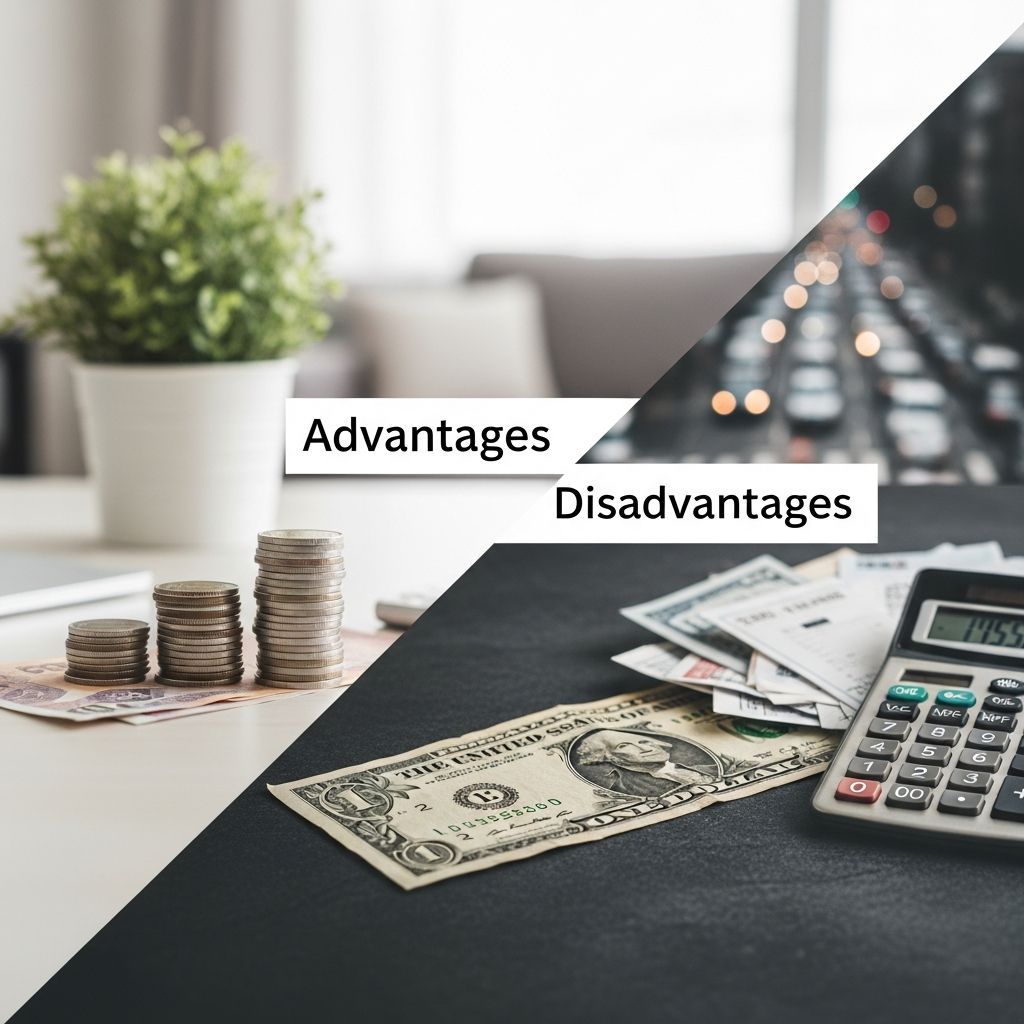
Budgeting is one of the most powerful tools for taking control of your money, but it also comes with challenges that can make it feel intimidating or restrictive. Understanding both the advantages and disadvantages of budgeting can help you build a spending plan that fits your real life, supports your goals, and is flexible enough to maintain over time.
In this guide, you will learn how a budget can improve your financial health, what drawbacks to watch out for, and how to make budgeting work for you even if you have struggled with it in the past.
What Is Budgeting And Why Does It Matter?
A budget is a written or digital plan that outlines your income and how you will allocate it toward expenses, savings, debt payments, and discretionary spending over a specific period (usually monthly). Budgeting does not have to be complicated; it is simply a structured way to decide how you will use your money before you spend it.
Financial educators and consumer protection agencies consistently highlight budgeting as a core money skill because it is strongly linked with better financial outcomes, including higher savings rates and lower financial stress. A clear plan for your money can make it easier to handle bills on time, prepare for emergencies, and work toward long-term goals like homeownership or retirement.
Main Advantages Of Budgeting
Although every person’s financial situation is different, several key advantages of budgeting apply broadly. When used consistently, a budget can shift you from reacting to money problems to proactively making choices that reflect your priorities.
1. Gives You Control Over Where Your Money Is Going
One of the most important advantages of budgeting is that it gives you intentional control over your income instead of letting your spending happen on autopilot. Without a plan, it is easy to wonder where your paycheck went at the end of the month. A budget turns that uncertainty into clarity.
By listing your income and expenses, you can:
- See exactly how much money is coming in and going out.
- Assign a purpose to every dollar, whether that is bills, savings, debt payoff, or fun.
- Identify areas where you are overspending and redirect that money toward your goals.
Research from the U.S. Consumer Financial Protection Bureau (CFPB) shows that consumers who use a simple spending plan are more likely to feel in control of their finances and better prepared to handle unexpected expenses.
2. Makes It Easier To See And Understand Your Spending Habits
Another major benefit of budgeting is that it makes your spending habits visible. When you track and categorize your expenses, patterns quickly emerge: perhaps dining out, online shopping, or subscription services are consuming more of your income than you realized.
This awareness helps you:
- Spot recurring expenses that no longer align with your priorities.
- Compare needs versus wants more objectively.
- Recognize triggers for impulse spending and put safeguards in place.
Academic studies on financial behavior consistently find that people who monitor their spending are more likely to adjust their habits in ways that support long-term goals, such as saving and debt reduction.
3. Helps You Live Within Your Means
Living within your means simply means your total expenses do not regularly exceed your income. A budget makes this easier by giving you a realistic picture of what you can afford and where you may need to adjust.
With a clear plan, you can:
- Match your recurring bills to your actual income rather than estimates.
- Reduce reliance on credit cards and high-interest borrowing to fill gaps.
- Plan ahead for irregular expenses like annual insurance premiums, car repairs, or school costs.
According to surveys by central banks and financial regulators, households that use a budget are less likely to report regularly running out of money before payday and more likely to pay bills on time. Over time, this can also help protect your credit and reduce financial stress.
4. Supports Your Financial Goals
Budgeting is closely connected to goal setting. Rather than hoping to save or pay off debt with “whatever is left over,” you can intentionally allocate money toward specific targets every month.
A budget can help you:
- Build an emergency fund to cover unexpected expenses.
- Pay down high-interest debt faster by directing extra payments toward balances.
- Save for near-term goals like a vacation, home down payment, education, or a car.
- Invest for long-term goals such as retirement.
Research on household saving behavior shows that people who set concrete goals and link them to a budget are more likely to follow through and accumulate meaningful savings over time.
5. Reduces Financial Stress And Money Anxiety
Not knowing where your money is going or how you will cover upcoming expenses can create ongoing stress. A thoughtful budget can reduce this anxiety by providing a clear plan and showing that your essential bills are covered before you spend on other things.
Benefits include:
- Less worrying about whether you can pay for basic needs.
- More confidence making spending decisions, because you know what fits your plan.
- Improved communication about money if you share finances with a partner.
Multiple studies link financial planning and budgeting with lower reported stress and greater financial well-being.
6. Helps You Track Progress And Stay Motivated
Budgeting also gives you a way to measure progress. When you track your monthly savings, debt reduction, or contributions toward specific goals, you can see how your consistent effort adds up over time.
Many people find visual tools helpful, such as:
- Goal trackers or charts for savings and debt payoff.
- Monthly summaries showing how your spending aligns with your targets.
- Checklists for milestones (e.g., first $500 saved, first credit card paid off, etc.).
Seeing progress—even in small amounts—can provide motivation to stick with your budget and continue refining your habits.
Main Disadvantages Of Budgeting
While budgeting offers many advantages, there are also potential disadvantages and perceived drawbacks that can make people hesitant to start or stick with a plan. Recognizing these challenges in advance can help you address them more effectively.
1. It Can Feel Rigid Or Restrictive
One of the most common complaints about budgeting is that it feels too rigid. Many people associate the word “budget” with cutting out everything fun or constantly saying no to themselves.
This perception can lead to:
- Feeling deprived or restricted in day-to-day life.
- Rebounding into overspending after periods of strict control.
- A negative mindset around money, where the focus is only on what you cannot do.
However, personal finance experts emphasize that a realistic budget should include some discretionary or “fun” money to prevent burnout and support a healthier long-term relationship with spending.
2. Budgeting Takes Time And Effort
Another disadvantage is that budgeting requires time and energy, especially in the beginning. You need to gather information about your income and expenses, choose a method, set up your categories, and then review and update your plan regularly.
Common time-related challenges include:
- Learning a new system or app and entering data regularly.
- Tracking receipts, transactions, or bank activity.
- Adjusting the budget month by month as your situation changes.
That said, once a system is established, many people find that maintaining a budget becomes easier and can be done in short, regular check-ins rather than daily intensive work.
3. You May Be Resistant To Change
Budgeting often highlights areas where your habits need to change—such as cutting back on certain expenses, delaying a purchase, or prioritizing debt payments over extras. This can be uncomfortable, and it is natural to feel resistant to change.
This resistance may show up as:
- Ignoring parts of the budget that feel inconvenient.
- Abandoning the budget after a few tough months.
- Feeling discouraged if changes do not produce results immediately.
Behavioral research shows that people are more likely to follow through on financial changes when they set small, concrete steps and tie them to personal values, rather than making extreme, short-lived cuts.
4. A Budget Can Be Inaccurate Or Unrealistic
If a budget is not grounded in realistic numbers, it can quickly feel like it “doesn’t work.” Underestimating your expenses, overestimating your income, or trying to change everything at once can make your budget inaccurate.
Problems with unrealistic budgets include:
- Consistently overspending in certain categories.
- Feeling like you have “failed” when the plan does not match your actual life.
- Abandoning budgeting altogether because it seems ineffective.
Building in a buffer for variable expenses (like groceries or transportation) and revisiting your budget regularly can help you adjust and make it more accurate over time.
5. It May Not Capture Every Irregular Expense At First
When you are new to budgeting, it is easy to forget about non-monthly expenses such as annual fees, car registration, holiday spending, or once-a-year insurance premiums. If these costs are not included, they can disrupt your budget when they appear.
Over time, you can improve your budget by:
- Reviewing past bank and card statements to identify irregular expenses.
- Creating sinking funds—monthly set-asides for expenses that occur less frequently.
- Adjusting your categories as new patterns emerge.
Advantages vs. Disadvantages Of Budgeting At A Glance
| Advantages of Budgeting | Disadvantages / Challenges |
|---|---|
| Gives you clear control over where your money goes. | Can feel rigid or restrictive if set up too strictly. |
| Makes spending habits visible and easier to understand. | Requires time and effort to create and maintain. |
| Helps you live within your means and reduce reliance on debt. | Highlights the need for habit changes, which can feel uncomfortable. |
| Supports savings, debt payoff, and long-term financial goals. | May be inaccurate at first if expenses are underestimated. |
| Reduces financial stress by providing a clear plan. | Can overlook irregular expenses until the plan is refined. |
| Lets you track progress and stay motivated over time. | Might feel discouraging if you expect instant results. |
How To Make Budgeting Work For You
The key to benefiting from budgeting is to design a system that is realistic, flexible, and tailored to your situation. You do not need a perfect budget; you need a practical one you can stick with and adjust as needed.
1. Choose A Simple Budgeting Method
There are multiple budgeting methods that can work well, including zero-based budgeting, percentage-based approaches, or pay-yourself-first methods. The best method is the one you can consistently use. Consider:
- Zero-based budgeting: Every dollar of income is assigned a job (bills, savings, debt, or spending), so income minus planned outflows equals zero.
- Percentage-based budgeting: You divide your income into broad categories using percentages (for example, spending, saving, and giving), which can simplify decisions.
- Pay-yourself-first (reverse budgeting): You prioritize savings and investments first, then budget your remaining income for expenses and discretionary spending.
2. Start With Your Real Numbers
Use your actual income and recent spending, not guesses. Pull one to three months of bank and credit card statements and categorize your expenses. This will give you a realistic starting point and help you see where adjustments are needed.
3. Build In Flexibility And Fun
To avoid feeling restricted, include a flexible spending or “fun money” category in your budget. This is a planned amount you can use freely for nonessential purchases like small treats, hobbies, or outings.
Experts warn that excessively restrictive budgets can backfire, leading to overspending or emotional purchases when people feel deprived. Planning a modest but meaningful amount for enjoyment can make your budget more sustainable.
4. Adjust Regularly Instead Of Expecting Perfection
Budgets are not meant to be static. Your income, expenses, and priorities will shift over time, and your budget should change with them. Review and adjust your plan:
- At least monthly, or more often if your income varies.
- Whenever you experience a life change (new job, move, baby, debt payoff, etc.).
- After identifying new patterns, such as higher seasonal expenses.
Think of your budget as a living document, not a rigid contract.
5. Use Tools To Make Budgeting Easier
You do not need complicated software to budget, but the right tools can save time and reduce frustration. Options include:
- Spreadsheets or templates you customize.
- Budgeting apps that link to your accounts and categorize spending.
- Printable trackers for goals like debt payoff or savings milestones.
The best tool is the one that you will actually use consistently.
Frequently Asked Questions (FAQs)
Q: Is budgeting really necessary if I earn a high income?
A: A higher income can make it easier to cover expenses, but without a budget, it is still possible to overspend and struggle to meet long-term goals. Budgeting helps you align your spending with your priorities, regardless of income level, and is associated with better saving and lower financial stress.
Q: How often should I update my budget?
A: Most people benefit from reviewing their budget at least once per month, with brief check-ins weekly or after major spending. If your income is irregular, you may need to revisit your plan every time you get paid to allocate funds intentionally.
Q: What if I go over budget in a category?
A: Going over budget occasionally does not mean you have failed. Treat it as information. Look at why it happened, shift money from another category if needed, and adjust your numbers going forward. Over time, your budget will become more accurate as you learn from these experiences.
Q: Can budgeting help me get out of debt?
A: Yes. A budget allows you to see how much you can realistically allocate to extra debt payments while still covering essential expenses. Combining a budget with a structured payoff strategy—such as the debt snowball or avalanche—can significantly shorten the time it takes to become debt-free.
Q: How do I stay motivated to stick to my budget?
A: Connect your budget to specific, meaningful goals, such as building security, gaining flexibility at work, or funding experiences you value. Track progress visually, celebrate small wins, and allow room for enjoyment so your plan feels sustainable, not punitive.
References
- Start small to build your savings — Consumer Financial Protection Bureau. 2023-01-10. https://www.consumerfinance.gov/consumer-tools/save-and-invest/start-small-to-build-your-savings/
- The financial capability of American adults — FINRA Investor Education Foundation. 2022-11-15. https://www.finrafoundation.org/knowledge-we-gain/shareable-research/financial-capability-american-adults
- Consumer spending and saving during the COVID-19 pandemic — Federal Reserve Bank of St. Louis. 2021-03-22. https://www.stlouisfed.org/publications/regional-economist/first-quarter-2021/consumer-spending-saving-during-pandemic
- Improving financial education: A cross-country analysis — OECD. 2013-06-25. https://www.oecd.org/finance/financial-education/improvingfinancialeducationacrosscountryanalysis.htm
- Savings, spending, and financial resilience in the UK — Bank of England. 2020-10-23. https://www.bankofengland.co.uk/quarterly-bulletin/2020/2020-q4-savings-spending-and-financial-resilience-in-the-uk
Similar Articles








Read full bio of Sneha Tete