Understanding Adjustable-Rate Mortgages: Benefits and Risks
Explore how ARMs work, their advantages for short-term homeowners, and critical risks to consider before committing.
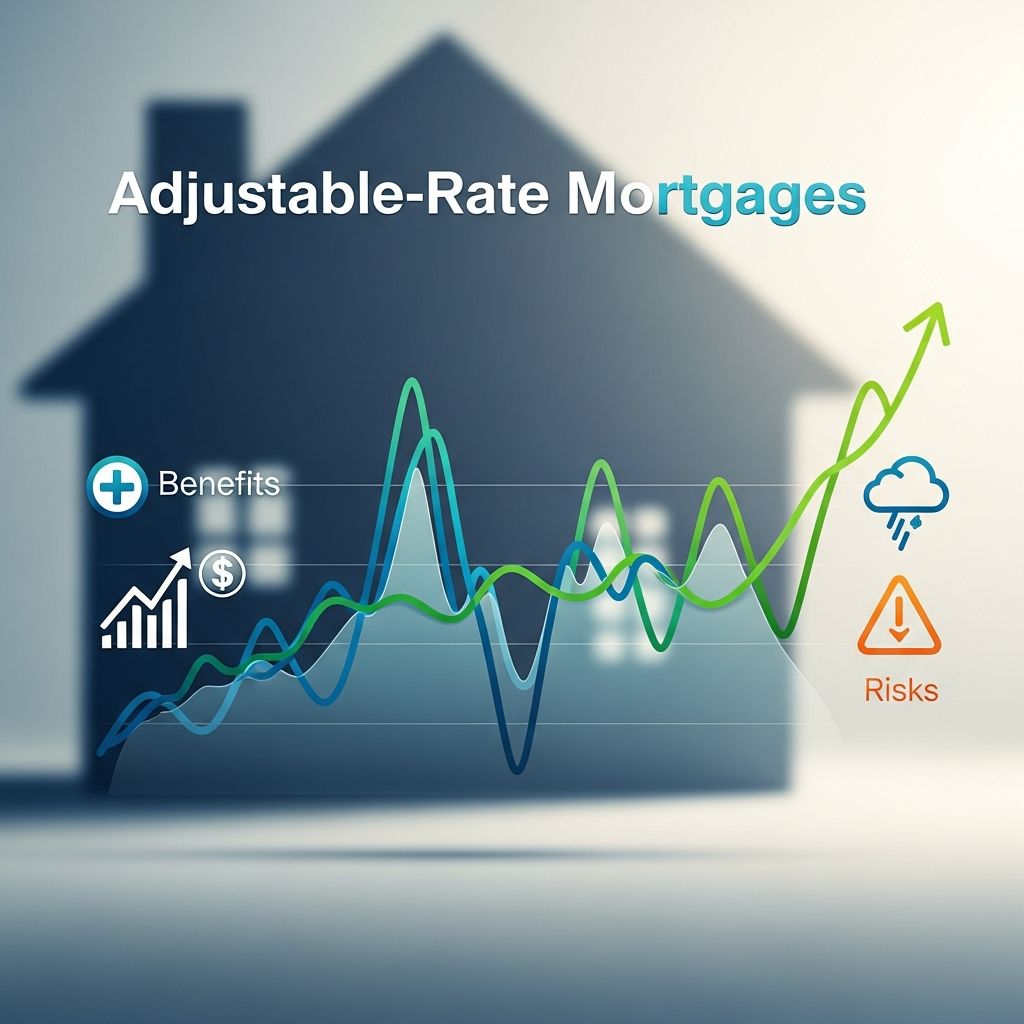
When shopping for a mortgage, homebuyers encounter numerous options designed to meet different financial situations and long-term goals. Among the most commonly discussed alternatives to traditional fixed-rate mortgages is the adjustable-rate mortgage, commonly known as an ARM. An ARM is a home loan where the interest rate remains constant during an initial period—typically ranging from one to ten years—and then fluctuates periodically based on prevailing market conditions and a financial index. This structure fundamentally differs from fixed-rate mortgages, where the interest rate stays the same throughout the entire loan term.
Understanding how ARMs function and evaluating whether they align with your financial objectives requires careful consideration of both their compelling advantages and substantial disadvantages. This comprehensive guide explores the mechanics of adjustable-rate mortgages, examines who may benefit most from this financing option, and highlights the critical factors you should evaluate before making this significant financial decision.
How Adjustable-Rate Mortgages Function
An adjustable-rate mortgage typically begins with what lenders call an introductory period or fixed-rate period. During this initial phase, your interest rate remains locked at a predetermined rate, which is usually considerably lower than the rates offered on comparable fixed-rate mortgages. The length of this introductory period varies depending on your loan structure, with common options including 3/1, 5/1, 7/1, and 10/1 ARMs, where the first number indicates the years the rate remains fixed and the second number represents how frequently the rate adjusts afterward.
Once this initial fixed period concludes, your mortgage rate transitions into the adjustment phase. During this period, your interest rate resets based on a financial index—such as the Secured Overnight Financing Rate (SOFR)—plus a margin that your lender determines. The margin remains constant throughout the loan, while the index component reflects current market conditions. Some ARMs adjust annually, while others may adjust semi-annually or at other intervals specified in your loan agreement.
Your lender typically establishes certain safeguards to limit how much your rate can change. These protections include periodic adjustment caps, which limit how much your rate can increase during each adjustment period, and lifetime caps, which establish a maximum rate your mortgage cannot exceed regardless of market conditions. Additionally, some loans include interest rate floors, preventing your rate from declining below a certain threshold even if market rates drop significantly.
Primary Advantages of Choosing an ARM
Substantially Lower Initial Interest Rates
The most immediately attractive feature of adjustable-rate mortgages is their significantly lower introductory interest rates compared to fixed-rate alternatives. This rate differential can be substantial—often ranging from 0.5% to 1.5% lower than comparable fixed-rate mortgages. This lower starting rate directly translates to considerably reduced monthly mortgage payments during the initial fixed period, which can result in thousands of dollars in savings over the first few years of homeownership.
For example, a borrower obtaining a $300,000 ARM with an initial rate of 2.5% would pay approximately $1,185 in principal and interest monthly, compared to roughly $1,325 on a similar fixed-rate mortgage at 3.5% during the same period. This difference accumulates to meaningful savings that can be redirected toward other financial priorities or home improvements.
Enhanced Purchasing Power
The reduced monthly payment associated with an ARM’s lower initial rate can expand your borrowing capacity and purchasing power. Mortgage lenders typically use debt-to-income ratios when determining how much you can borrow, and lower monthly payments improve these ratios. This expanded lending capacity might enable you to purchase a home in a more desirable location or with additional features compared to what you could afford with a fixed-rate mortgage.
Potential for Rate Reductions
Although interest rates frequently rise, they sometimes fall. If market interest rates decline after your introductory period expires, your ARM rate could decrease automatically without requiring refinancing efforts. Unlike fixed-rate mortgage holders who must initiate a refinancing process to capture lower rates, ARM borrowers benefit from automatic adjustments that reduce their payments when market conditions favor them. However, it’s important to note that many ARMs include interest rate floors limiting how far the rate can decrease, so the benefit may be constrained.
Flexibility for Short-Term Homeowners
ARMs can be particularly advantageous for borrowers who don’t intend to remain in their homes for extended periods. If you plan to sell or refinance before the adjustment period begins, you can enjoy the lower initial rates and potentially move before facing payment increases. This makes ARMs attractive to real estate investors, young professionals who anticipate relocating for work, and others with defined timelines for homeownership.
Refinancing Opportunities
Should circumstances change and you decide you want to remain in your home beyond the introductory period, many ARMs can be refinanced into fixed-rate mortgages or other loan products before rates adjust substantially. This flexibility provides an exit strategy if market conditions become unfavorable or if your financial situation changes in ways that make the potential payment increases problematic.
Significant Drawbacks and Risk Factors
Unpredictable Payment Increases
The primary disadvantage of adjustable-rate mortgages is the inherent unpredictability of payments after the introductory period ends. Once your rate begins adjusting, your monthly payment could increase substantially if interest rates in the broader economy have risen. These payment increases can stress household budgets, particularly for borrowers who selected an ARM partly because they couldn’t comfortably afford fixed-rate mortgage payments.
In worst-case scenarios, especially during periods of rapidly rising interest rates, your payment could increase by several hundred dollars monthly. Some borrowers have experienced payment adjustments of 30%, 40%, or even higher, transforming what initially appeared to be an affordable mortgage into a significant financial burden.
Complexity and Rate Caps
Understanding the various rate caps and adjustment mechanisms requires careful attention to loan documents. While periodic caps protect against catastrophic single-adjustment increases, the cumulative effect of multiple adjustments over several years could still result in substantial rate increases that approach the lifetime cap. Additionally, some ARMs include payment caps rather than rate caps, which can create negative amortization—a situation where your monthly payment doesn’t cover all accumulated interest, causing your loan balance to grow rather than shrink.
Timing Risk and Market Exposure
The timing of when your introductory period expires exposes you to market risk. If your ARM resets during a period of elevated interest rates, you’ll face higher payments precisely when rates are least favorable. Conversely, if rates have declined, you might benefit, but this outcome is not guaranteed. This uncertainty makes long-term financial planning challenging compared to the predictability of fixed-rate mortgages.
Refinancing Challenges
While refinancing provides a potential solution if you want to lock in a fixed rate before your ARM adjusts, this option depends on your credit rating, home equity, and broader market conditions. If your home’s value has declined or if you’ve accumulated additional debt, refinancing might not be available or might come at unfavorable terms. Additionally, refinancing involves closing costs and application fees that reduce the overall benefit.
Who Should Consider an ARM?
| Borrower Profile | Why ARMs May Be Suitable | Key Considerations |
|---|---|---|
| Short-term homeowners (2-5 year horizon) | Captures significant savings during the fixed period before selling or relocating | Ensure your sale timeline aligns with the fixed-period end |
| Real estate investors | Lower initial payments improve cash flow and investment returns | Plan exit strategy before rate adjustments occur |
| Borrowers expecting income growth | Can accommodate potentially higher payments as earnings increase | Document realistic income growth projections |
| Budget-conscious buyers | Lower initial payments free up resources for other financial goals | Must establish reserves for future payment increases |
Comparing ARMs to Fixed-Rate Mortgages
The decision between an ARM and a fixed-rate mortgage fundamentally depends on your risk tolerance, time horizon, and financial flexibility. Fixed-rate mortgages provide unparalleled predictability—your payment remains constant regardless of market conditions, simplifying long-term financial planning. This stability comes at the cost of higher initial interest rates and monthly payments.
ARMs offer lower initial costs and potential flexibility but introduce payment uncertainty. The trade-off between short-term savings and long-term predictability should align with your specific circumstances. If you plan to remain in your home for 7-10 years or longer, and you value payment predictability, a fixed-rate mortgage typically makes more sense. If you have a defined timeline for selling or expect significant income increases, an ARM might prove more advantageous.
Critical Questions Before Selecting an ARM
Before committing to an adjustable-rate mortgage, thoroughly evaluate these essential questions:
- How long do you realistically plan to remain in this home or keep this mortgage?
- What are the specific adjustment terms, including caps, margins, and the index used for calculations?
- What is the maximum possible payment increase if rates reach the lifetime cap?
- Can you financially manage the highest possible payment scenario?
- What is your credit score trajectory, and will refinancing be available if you need it?
- Do you have emergency savings to absorb potential payment increases?
- How do you respond emotionally to financial uncertainty?
Strategic Considerations for ARM Selection
If you determine that an ARM aligns with your circumstances, implement these strategic approaches to maximize benefits and minimize risks. First, establish a dedicated savings account specifically reserved for handling future payment increases. Begin building this reserve immediately using portions of the monthly savings generated by your lower initial ARM payment.
Second, develop a clear timeline for refinancing or selling before your introductory period expires. Mark your calendar for when your rate adjustment period begins, and initiate refinancing discussions with lenders well in advance. Third, thoroughly understand your loan’s specific adjustment mechanics by requesting a detailed amortization schedule showing potential payments at various interest rate scenarios.
Finally, monitor interest rate trends and economic forecasts as your adjustment date approaches. This awareness helps you make informed decisions about whether to refinance early, lock in a fixed rate, or pursue other strategic modifications to your loan.
Making Your Final Decision
Adjustable-rate mortgages represent a legitimate financing tool that can provide substantial benefits for certain borrowers in specific circumstances. The significant initial savings, enhanced purchasing power, and potential for favorable rate movements make ARMs attractive to those with short-term homeownership horizons or confident income growth expectations.
However, the unpredictability of future payments, the complexity of rate adjustment mechanisms, and the potential for substantial payment increases demand serious consideration and careful risk assessment. An ARM is not an appropriate choice for risk-averse borrowers, those who plan long-term homeownership, or anyone who would experience genuine financial hardship if payments increased significantly.
Take time to evaluate your personal financial situation, timeline, risk tolerance, and long-term homeownership goals. Consider consulting with mortgage professionals and financial advisors who can provide personalized guidance based on your specific circumstances. By thoroughly understanding both the advantages and disadvantages of adjustable-rate mortgages, you can make an informed decision that aligns with your unique financial profile and objectives.
Frequently Asked Questions
What is a 5/1 ARM?
A 5/1 ARM features a fixed interest rate for the first five years of the loan, after which the rate adjusts annually based on market conditions and your lender’s margin. This structure provides five years of payment predictability followed by potential annual adjustments.
Can my ARM payment increase indefinitely?
No. Most ARMs include lifetime caps that establish the maximum interest rate your loan cannot exceed regardless of market conditions. This protects against catastrophic payment increases, though rates could still rise substantially within that cap.
What happens if I want to refinance my ARM?
You can refinance an ARM into a fixed-rate mortgage or another loan product, though this depends on your credit score, home equity, and market conditions. Refinancing involves closing costs and a new application process but can lock in a fixed rate before adjustments occur.
Is negative amortization possible with ARMs?
Yes, if your ARM has a payment cap rather than a rate cap, negative amortization can occur when your monthly payment doesn’t cover all accumulated interest, causing your loan balance to grow. Understanding your loan’s specific structure prevents this undesirable scenario.
References
- Pros and Cons of an Adjustable-Rate Mortgage — Chase Bank. 2024. https://www.chase.com/personal/mortgage/education/financing-a-home/pros-and-cons-adjustable-rate-mortgage
- Adjustable-rate mortgages: Pros and cons — Rocket Mortgage. 2024. https://www.rocketmortgage.com/learn/adjustable-rate-mortgage-pros-and-cons
- Pros and Cons of an Adjustable-Rate Mortgage — Bankrate. 2024. https://www.bankrate.com/mortgages/pros-and-cons-arm/
- The Pros and Cons of Adjustable-Rate Mortgages (ARMs) — Consumers Bank. 2024. https://www.consumers.bank/About-Us/Blog/the-pros-and-cons-of-adjustable-rate-mortgages-arms
- Pros and Cons of an Adjustable-Rate Mortgage | ARM — SecurityPlus FCU. 2024. https://www.securityplusfcu.org/learn/education/prosperity-pulse/june-2024/the-pros-and-cons-of-an-adjustable-rate-mortgage
Similar Articles








Read full bio of medha deb