Understanding Address Impact on Credit Scores
Learn why your home address doesn't determine your creditworthiness or financial reputation.

Many consumers wonder whether the addresses listed on their credit reports influence their credit scores. This misconception often leads people to waste time attempting to remove old addresses in hopes of improving their financial standing. Understanding the true relationship between address information and credit scoring is essential for anyone seeking to build stronger credit.
The Role of Personal Information in Credit Reporting
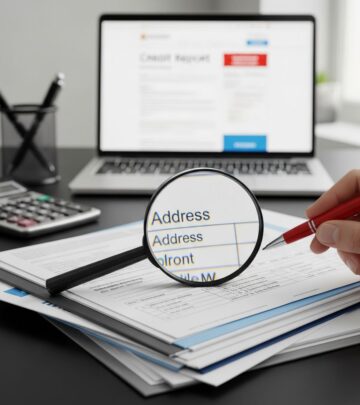
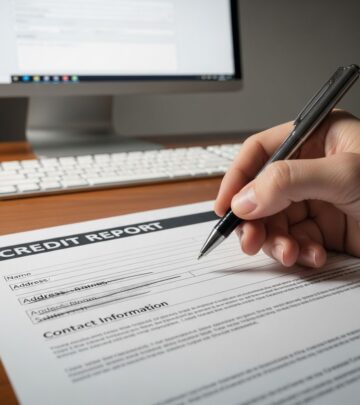
Credit reports contain far more than just your financial history. They include various personal identifying details that serve specific purposes beyond credit score calculation. Your name, previous names, employment information, and residential addresses all appear on your file. These elements form what credit bureaus classify as personally identifiable information, or PII.
Credit reporting agencies maintain this personal data for one primary reason: identity verification and matching. With millions of consumers sharing similar names, the inclusion of address history helps distinguish your unique credit file from others in the system. When you apply for new credit, lenders use this identifying information to locate your correct credit file among the vast database maintained by credit bureaus.
The addresses that populate your credit report typically come from creditors and financial institutions with whom you’ve conducted business. Past addresses that received billing statements or account correspondence frequently appear on your file. These historical addresses remain part of your record intentionally, serving verification purposes even after you’ve relocated.
What Actually Determines Your Credit Score
Credit scoring algorithms focus exclusively on debt-related metrics when calculating your credit score. The specific information these models evaluate includes:
- Payment history and whether you’ve made timely payments
- Outstanding balances and credit utilization ratios
- Length of your credit history
- Diversity of credit account types
- Recent credit inquiries and applications
Notice that none of these factors relate to your physical location or the addresses where you’ve lived. Your credit score reflects your financial behavior and creditworthiness, not your geography or residential stability. Whether you’ve lived in five states or stayed in one city your entire life makes no difference to your score.
Personal identifiers like addresses, while essential for administrative and verification purposes, simply don’t factor into the mathematical calculations that produce your three-digit score. This is a fundamental distinction that many consumers misunderstand, leading to futile efforts to modify address information in pursuit of credit improvement.
Distinguishing Between Address Information and Credit Data
The separation between personal identifying information and credit data is crucial to understand. Your credit report functions as a document that serves multiple purposes, but each section plays a different role.
| Information Type | Purpose | Affects Credit Score |
|---|---|---|
| Name and aliases | Identity verification | No |
| Current and former addresses | Identity verification | No |
| Employment information | Administrative purposes | No |
| Payment history | Credit assessment | Yes |
| Outstanding debt balances | Credit assessment | Yes |
| Account types and age | Credit assessment | Yes |
This distinction explains why removing old addresses won’t boost your credit score. You’re modifying administrative data that exists in an entirely separate category from scoring data. It’s similar to believing that changing your mailing address with the post office would change your bank account balance—the two systems operate independently.
When Address Issues Warrant Investigation
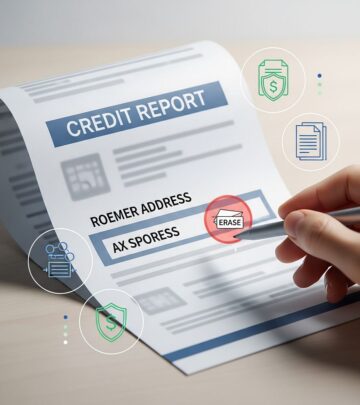
While old, legitimate addresses on your credit report don’t require removal or correction, unfamiliar addresses deserve serious attention. An unrecognized address appearing on your credit file can signal fraudulent activity or identity theft.
If you spot an address where you never lived or don’t recognize a location tied to your name, this represents a potential red flag. Fraudsters sometimes use different addresses to open accounts or conduct unauthorized transactions. Investigating unfamiliar addresses promptly helps protect your financial identity.
The correct response to suspicious address information is immediate action through dispute procedures. Contact the credit reporting agency and the specific creditor associated with the unrecognized address. Document your investigation and keep records of your communications. This proactive approach safeguards your credit profile from further fraudulent activity.
Practical Steps for Managing Your Credit Report Information
Maintaining accurate information on your credit report requires ongoing attention, but the focus should center on data that actually matters for credit scoring and lending decisions.
Begin by obtaining your free credit reports from all three major credit bureaus. Federal law entitles you to access these reports annually at no cost through the official reporting channels. Review each report carefully for errors, paying particular attention to:
- Accounts you don’t recognize
- Incorrect payment statuses on existing accounts
- Duplicate account listings
- Erroneous negative information
- Addresses you never lived at
When you discover legitimate errors—particularly those related to payment history or account information—file disputes with the appropriate credit bureau. Submit disputes in writing, including copies of supporting documentation. Credit bureaus must investigate and respond within specified timeframes under the Fair Credit Reporting Act.
Simultaneously, contact the creditor associated with any erroneous information. Updated account information from creditors flows to credit bureaus through regular reporting cycles. Correcting data at the source often resolves inaccuracies more efficiently than bureau disputes alone.
Updating Your Current Address: Administrative Importance
While old addresses require no action for credit score purposes, ensuring your current address appears in creditor records remains important. This isn’t about credit scoring; it’s about practical communication and account management.
Your creditors use your address on file to send billing statements, account notices, and important correspondence. An outdated address may result in missed communications about account changes, promotional offers, or critical notifications. More significantly, creditors may have difficulty reaching you if disputes arise or account issues develop.
When you relocate, notify your creditors of your new address. Most financial institutions accept address updates through their customer service departments, online accounts, or mobile applications. Once creditors update their records, they report the new address to credit bureaus during their next reporting cycle. This ensures your credit file reflects your current residential information for identity verification purposes.
The Myth of Address Blacklists
Persistent misconceptions suggest that certain addresses or neighborhoods exist on informal “blacklists” that damage credit scores. This urban legend lacks any factual basis. No address blacklist system exists, and credit bureaus don’t categorize locations as acceptable or unacceptable for creditworthiness purposes.
Your creditworthiness depends entirely on your financial behavior—not on which neighborhood you call home. Lenders evaluate your income, payment history, debt levels, and credit profile, not the value of your residence or the characteristics of your address. An apartment in a economically disadvantaged area doesn’t hurt your credit any more than a mansion in an affluent suburb helps it.
This myth likely persists because of the reality that frequent address changes can indirectly affect lending decisions. Lenders sometimes view constant relocation as a sign of instability, though this represents a character assessment rather than an automatic credit score reduction. Multiple address changes within short timeframes may raise lender concerns, but this results from underwriting judgment, not algorithmic scoring.
Monitoring Your Credit Health Effectively
Rather than fixating on address information, dedicate your credit monitoring efforts to factors that genuinely impact your score and financial opportunities. Regular credit monitoring helps you catch errors and fraudulent activity that actually matters.
Many credit monitoring services offer free or low-cost options for tracking your credit reports and scores. These services alert you to significant changes, new account openings, or suspicious inquiries. Early detection of fraud helps minimize damage and simplifies the dispute resolution process.
Focus your attention on credit elements that genuinely influence lending decisions: payment behavior, debt levels, credit utilization ratios, and account diversification. These factors directly determine your credit score and your ability to qualify for favorable interest rates and credit terms.
Frequently Asked Questions
Does changing my address improve my credit score?
No. Your address appears on your credit report for identification purposes only. Changing or updating your address has no impact on credit score calculations or improvements.
Should I remove old addresses from my credit report?
Not unless they’re erroneous or unrecognized. Legitimate old addresses serve verification purposes and should remain on your file. Only dispute addresses you never lived at or don’t recognize, as these may indicate fraud.
Can I dispute my current address if I want different identifying information shown?
You can dispute any information on your credit report, but credit bureaus will likely verify the address with your creditors and may re-report it if they confirm its accuracy. Disputes work best for correcting genuine errors rather than changing accurate information.
What if an old address from before identity theft appears on my report?
This requires immediate attention through the formal dispute process. Document that you never lived at the address, contact the associated creditor to explain the situation, and file disputes with credit bureaus. Include evidence supporting your claim.
How often should I check my credit report for address accuracy?
Review your credit reports at least annually. If you’ve recently moved or experienced fraud concerns, check more frequently. Monitor all three bureaus independently, as each may contain different information.
Conclusion: Focusing on What Matters for Your Credit
Understanding the distinction between personal identifying information and credit scoring data prevents wasted effort on credit-building strategies that don’t work. Your address appears on your credit report as administrative information necessary for identity verification, not as a factor influencing your creditworthiness.
Dedicating your energy to genuine credit improvement—making timely payments, reducing debt levels, maintaining account diversity, and monitoring for fraud—produces meaningful results. Meanwhile, old addresses can remain undisturbed on your file, serving their intended verification purpose without any negative impact on your financial standing.
References
- Does Removing an Old Address Affect Your Credit Score? — Experian. Accessed April 2026. https://www.experian.com/blogs/ask-experian/does-removing-an-old-address-from-your-credit-report-increase-your-credit-scores/
- Address Information Does Not Impact Credit Scores — Experian. Accessed April 2026. https://www.experian.com/blogs/ask-experian/address-information-does-not-impact-credit-scores/
- Removal of Public Records Has Little Effect on Consumers’ Credit Scores — Consumer Finance Protection Bureau. Accessed April 2026. https://www.consumerfinance.gov/about-us/blog/removal-public-records-has-little-effect-consumers-credit-scores/
- Can Old Addresses Be Removed from Your Credit Report? — MyScoreIQ. Accessed April 2026. https://www.myscoreiq.com/articles/can-old-addresses-be-removed-from-your-credit-report
- How Does Your Address Affect Your Credit Score? — ClearScore. Accessed April 2026. https://www.clearscore.com/learn/credit-score-and-report/how-does-your-address-affect-your-credit-score
Similar Articles








Read full bio of medha deb