Houseplants For Your Home: Budget Tips, Care, And Propagation
Boost your home's ambiance and health while saving money by strategically adding affordable houseplants to your living space.
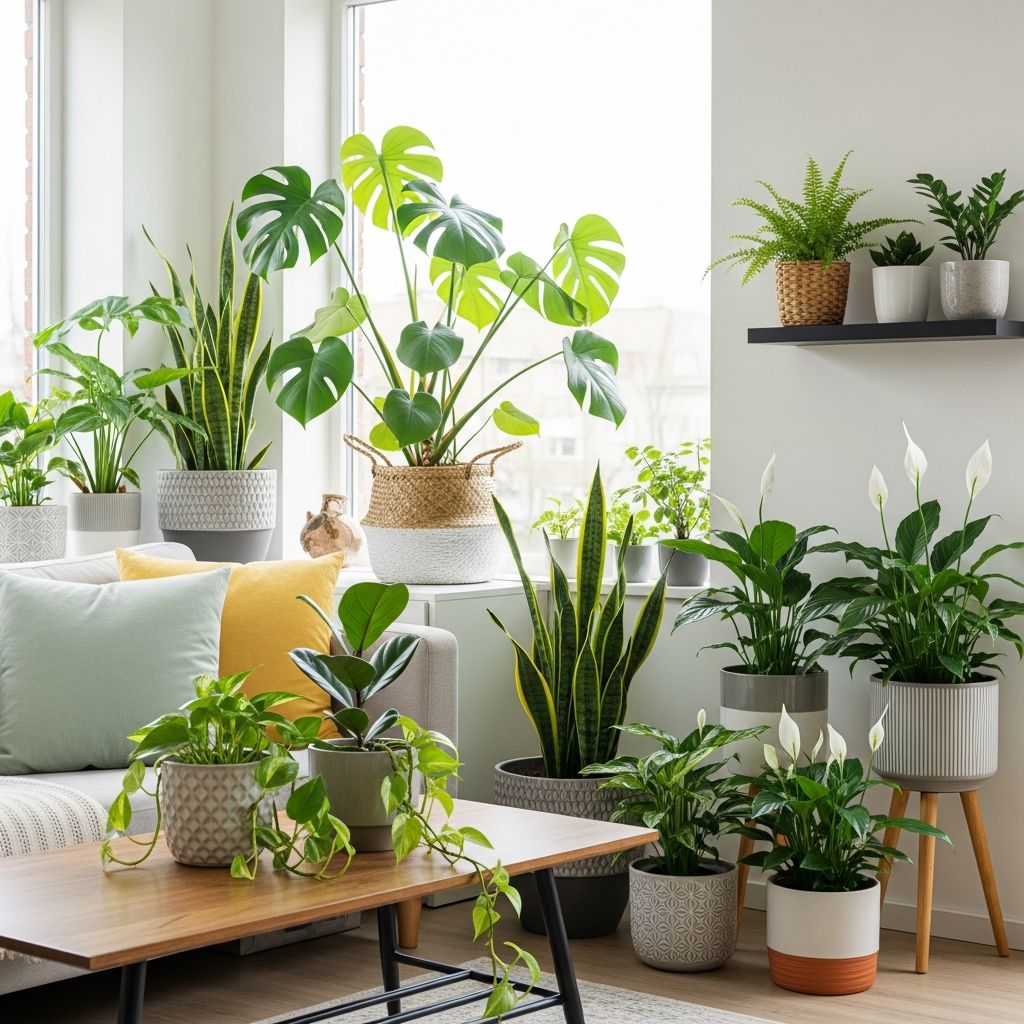
Bringing houseplants into your living space offers a multitude of benefits that extend far beyond mere decoration. These green companions can transform your home environment, improving air quality, boosting mental well-being, and even helping you save money in the long run. With rising awareness of indoor pollution and the desire for natural, low-cost ways to enhance living spaces, houseplants have become a staple in modern homes. This guide explores why you should add houseplants, how to select affordable options, care for them effectively, and propagate them for free, ensuring your investment yields lasting value.
Why Houseplants Improve Your Home
Houseplants do more than beautify your space; they actively contribute to a healthier and more pleasant living environment. Studies from NASA have shown that certain indoor plants can remove up to 87% of airborne toxins like formaldehyde, benzene, and trichloroethylene from the air in sealed chambers over 24 hours. This purification process makes your home fresher and safer, particularly in urban areas with poor ventilation.
Beyond air quality, houseplants reduce stress and anxiety. Research indicates that interacting with plants lowers cortisol levels, promoting relaxation and better sleep. In office settings, employees with plants nearby report 15% higher productivity and fewer sick days. At home, this translates to a calmer atmosphere, ideal for families or remote workers seeking a serene backdrop.
- Air Purification: Plants like spider plants and peace lilies filter common household pollutants.
- Mental Health Boost: Greenery fosters mindfulness and reduces feelings of isolation.
- Aesthetic Appeal: Vibrant leaves and flowers add color and texture to any room.
- Humidity Control: Transpiration from leaves increases indoor humidity, easing dry skin and respiratory issues.
Health Benefits of Indoor Plants
The health advantages of houseplants are well-documented and backed by scientific research. According to the World Health Organization (WHO), poor indoor air quality affects billions, contributing to respiratory diseases. Houseplants act as natural air filters, absorbing carbon dioxide and releasing oxygen, which can improve concentration and overall vitality.
A study published in the Journal of Physiological Anthropology found that hospital patients with plants in their rooms required less pain medication and had faster recovery times. Similarly, at home, plants can alleviate headaches and fatigue caused by screen time. For children and pets, non-toxic varieties like Boston ferns provide safe greenery that enhances play areas without risk.
| Plant Type | Key Health Benefit | Best For |
|---|---|---|
| Snake Plant | Releases oxygen at night | Bedrooms |
| Peace Lily | Removes mold spores | Bathrooms |
| Spider Plant | Filters formaldehyde | Living Rooms |
| Aloe Vera | Soothes skin irritations | Kitchens |
Incorporating these plants strategically around your home maximizes their therapeutic effects, creating a sanctuary that supports physical and emotional health.
Cost-Saving Ways to Acquire Houseplants
While houseplants offer long-term savings through better health and reduced decor needs, acquiring them doesn’t have to break the bank. Start by figuring out what you like—low-maintenance succulents for beginners or lush ferns for experienced growers. Online retailers like Bloomscape ship directly from greenhouses, offering beginner-friendly selections tailored to your climate, pets, and skill level.
Local garden centers and nurseries provide the best deals, especially on weekly sales and native plants that thrive locally, increasing survival rates. Home improvement stores often discount end-of-season plants, but check for healthy roots and leaves to avoid short-lived purchases. Sturdy, budget-friendly options include chrysanthemums with vibrant fall colors and heleniums that bloom long into autumn.
- Shop sales at big-box stores for up to 50% off.
- Choose native species for higher success rates.
- Opt for small starter plants over mature ones.
Best Budget Houseplants to Start With
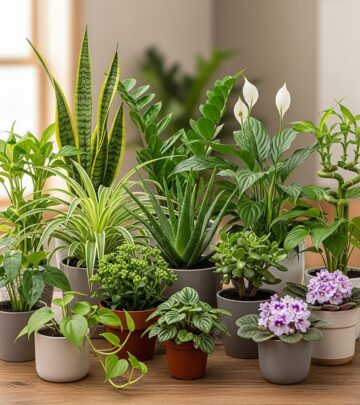
For those new to houseplants, focus on resilient, inexpensive varieties that deliver maximum impact. Pothos vines grow quickly in low light, purifying air while cascading beautifully from shelves. ZZ plants tolerate neglect, thriving in dim corners with minimal watering.
Jerusalem artichokes offer edible tubers alongside tall, sunflower-like blooms, doubling as food sources. These plants not only save money but also propagate easily, allowing you to expand your collection without additional costs.
- Pothos: $5-10, low light, fast-growing.
- Snake Plant: $8-15, air-purifying, drought-tolerant.
- Spider Plant: $6-12, pet-safe, produces plantlets.
- Chrysanthemum: $4-8, colorful, seasonal bloomer.
Essential Care Tips for Thriving Houseplants
Proper care ensures your houseplants flourish, maximizing their benefits and lifespan. Soil quality is paramount—use potting mix with organic matter and peat moss to avoid pests and promote growth. Water when the top inch of soil is dry, and provide indirect light for most varieties.
Fertilize sparingly with balanced formulas during growing seasons (spring-summer). Rotate plants quarterly for even growth and prune dead leaves to encourage bushiness. Common pitfalls include overwatering, which leads to root rot, and insufficient humidity—mist leaves or use pebble trays.
Pro Care Checklist
- Check soil moisture before watering.
- Ensure pots have drainage holes.
- Clean leaves monthly for better photosynthesis.
- Repot every 1-2 years as roots expand.
Propagating Houseplants for Free
One of the best ways to save money is propagation—growing new plants from cuttings, seeds, or divisions. Start seeds indoors for wildflowers or veggies; a $3 packet can yield a full garden. Collect seeds from spent blooms for perpetual free plants.
For cuttings, snip healthy stems, dip in rooting hormone, and place in water or moist soil. Use plastic bags as mini-greenhouses to retain humidity. Composting kitchen scraps creates nutrient-rich soil and sprouts new growth from tomato or herb seeds. Friends’ cuttings or local plant swaps provide endless freebies.
University extension offices offer free advice on propagation techniques tailored to your region.
Growing Your Own Food Indoors
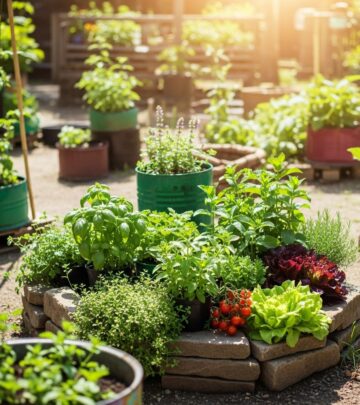
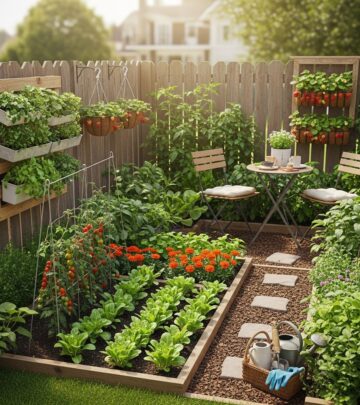
Extend houseplant benefits by growing edible greens. Herbs like basil and mint thrive on windowsills, saving $20+ monthly on store-bought bunches. Microgreens and lettuce yield fresh salads weekly from small trays. A National Gardening Association study estimates small indoor gardens produce 300 pounds of produce worth $600 annually, with minimal startup costs.
High-yield choices: cherry tomatoes, green beans, and leafy greens. Preserve extras by freezing or drying for year-round savings.
Frequently Asked Questions (FAQs)
Q: What are the easiest houseplants for beginners?
A: Pothos, snake plants, and spider plants are forgiving, requiring low light and infrequent watering.
Q: How often should I water houseplants?
A: Water when the top 1-2 inches of soil are dry; overwatering is the top killer.
Q: Can houseplants really purify indoor air?
A: Yes, NASA’s Clean Air Study confirms many species remove toxins effectively in typical home settings.
Q: Are there pet-safe houseplants?
A: Spider plants, Boston ferns, and parlor palms are non-toxic to cats and dogs.
Q: How do I propagate pothos cuttings?
A: Cut below a node, place in water, change weekly until roots form (2-4 weeks), then pot.
Advanced Tips for Plant Enthusiasts
For avid growers, experiment with hydroponics for soil-free setups or LED grow lights for year-round production. Vertical gardens save space in apartments, while companion planting deters pests naturally. Track progress in a journal to refine your approach, noting light exposure, watering schedules, and growth rates.
Composting indoors with worm bins recycles waste into ‘black gold’ fertilizer. Join online communities or local clubs for swaps and expertise. With these strategies, your houseplant collection will grow exponentially, enhancing your home while slashing expenses on air fresheners, decor, and groceries.
References
- Clean Air Study — NASA. 1989. https://ntrs.nasa.gov/api/citations/19930073077/downloads/19930073077.pdf
- Indoor Plants and Productivity — University of Exeter. 2014-02-01. https://news.exeter.ac.uk/faculty-of-environment/science/adding-plants-to-the-office-can-increase-productivity-by-15-per-cent/
- National Gardening Association Garden Study — National Gardening Association. 2009. https://garden.org/research/
- Indoor Air Quality Guidelines — World Health Organization. 2021-10-15. https://www.who.int/publications/i/item/9789240036821
- Journal of Physiological Anthropology: Plants in Hospitals — Springer. 2008-12-01. https://jphysiolanthropol.biomedcentral.com/articles/10.1186/1880-6805-27-6-329
Similar Articles








Read full bio of Sneha Tete