Fun Activities For Kids At Home: 38 Easy, Low-Cost Ideas
Discover budget-friendly, engaging activities to keep kids entertained at home without spending a dime.
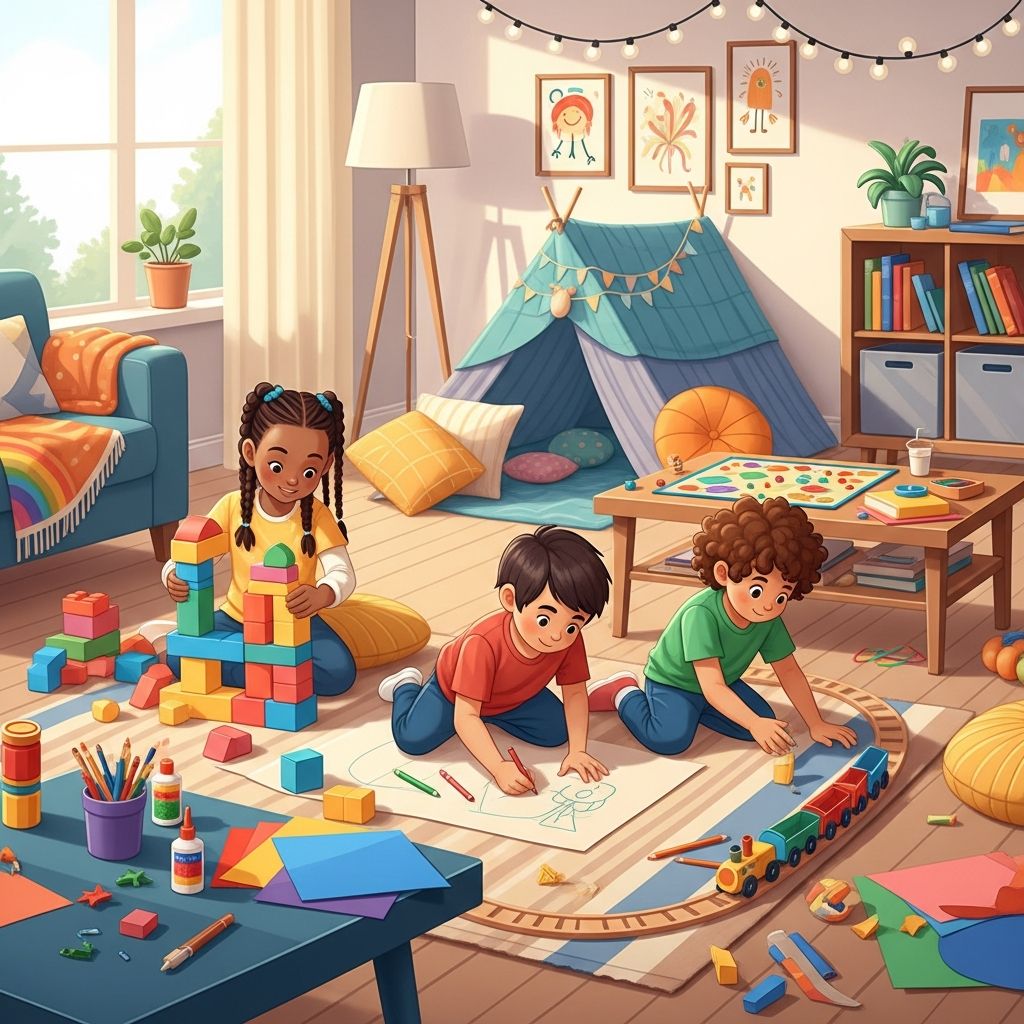
Fun Activities for Kids at Home
Keeping kids entertained at home doesn’t have to break the bank. With rising costs of extracurriculars averaging $150-$350 per child depending on age, families are turning to free or low-cost home activities to foster creativity, learning, and family bonding. These ideas use household items, promoting imagination while saving money on pricey programs like sports leagues or classes.
Why Home Activities Save Money and Build Skills
Home-based activities replace expensive after-school programs, which can cost hundreds annually. They teach financial literacy early by demonstrating resourcefulness—skills like budgeting and DIY mirror real-world money management. According to surveys, kids who learn hands-on finance concepts grow up with better savings habits. Plus, these pursuits strengthen family ties and keep children active without gym fees.
From toddlers to teens, these activities scale by age. Parents report reduced screen time and increased problem-solving as bonuses. Let’s dive into categories packed with ideas.
Crafts and DIY Projects
Crafts spark creativity using recyclables, avoiding art supply stores. No need for fancy kits—raid the pantry and trash bin.
- Paper Plate Masks: Cut eye holes in plates, decorate with markers, yarn, or cereal. Great for role-play; costs nothing.
- Recycled Bottle Crafts: Turn plastic bottles into bird feeders or planters with string and seeds. Teaches sustainability.
- Homemade Playdough: Mix flour, salt, water, and food coloring. Safer and cheaper than store-bought; lasts weeks in fridge.
- Cardboard Box Forts: Build castles or spaceships from boxes. Add LED lights from old strings for ambiance.
- Nature Collages: Glue leaves, twigs outside-collected onto paper. Discuss ecosystems while crafting.
These projects build fine motor skills and patience. Extend by hosting a ‘craft fair’ where kids ‘sell’ creations with play money, introducing commerce.
Indoor Games and Challenges
Games turn living rooms into playgrounds, burning energy sans parks.
- Balloon Keep-Up: Keep balloons aloft without hands. Teams compete; improves coordination.
- DIY Obstacle Course: Use cushions, chairs, tape for hurdles. Time runs for competition.
- Simon Says: Classic with twists like ‘Simon says hop like a frog.’ Enhances listening.
- Charades: Act out animals or movies using household props. Family laughter guaranteed.
- Scavenger Hunts: Hide clues around home leading to treats. Themes: colors, shapes, or emotions.
For larger families, rotate ‘game master’ roles. These mimic paid camps but free, teaching teamwork.
Educational Activities That Feel Like Play
Blend fun with learning to rival tutoring costs.
- Kitchen Science Experiments: Vinegar-baking soda volcanoes or milk-color swirls in dish soap. Explains reactions cheaply.
- Story Creation Station: Draw characters, dictate tales recorded on phone. Builds literacy.
- Math Bingo: Boards with numbers; call equations. Uses beans as markers.
- Language Flashcards: Label home items in Spanish/French via free apps. Practice daily.
- History Reenactments: Dress as dinosaurs or presidents with towels/sheets. Research first via library books.
These align with school curricula, reducing homework battles. Financial tie-in: Track ‘experiment budgets’ with allowance.
Cooking and Baking Adventures
Kitchen time teaches life skills, nutrition, and math.
- No-Bake Snacks: Peanut butter balls or yogurt parfaits. Measure fractions hands-on.
- Pizza Night: Homemade dough from flour basics; top creatively.
- Smoothie Challenges: Blind taste-tests of fruit combos. Vote winners.
- Bread Baking: Simple yeast loaves; watch rising like science.
- Decorated Cookies: Use icing for art; host tea parties.
Portion planning introduces budgeting. Involve cleanup for responsibility.
Physical Activities for Rainy Days
Stay fit indoors, dodging gym memberships.
- Yoga Storytime: Pose as animals while reading. Free videos guide.
- Dance Parties: Follow YouTube routines; playlist favorites.
- Indoor Bowling: Toilet rolls as pins, ball from socks.
- Jump Rope Rhymes: Imaginary rope for cardio and chants.
- Simon Says Fitness: Commands like ’10 jumping jacks.’
Aim for 60 minutes daily, per health guidelines. Track streaks on calendar for motivation.
Quiet Time and Reading Nooks
Balance energy with calm pursuits.
- Fort Reading: Blanket tents with flashlights and books.
- Puppet Shows: Sock puppets retell stories.
- Mindfulness Jars: Glitter in jars settles like thoughts; breathe-watch.
- Journaling: Draw/write daily gratitudes.
- Audio Books: Free library apps for group listening.
Boosts vocabulary, empathy. Rotate book picks family-style.
Screen-Free Tech Alternatives
Limit devices with analog fun.
- Board Game Tournaments: Classics like Monopoly teach money.
- Puzzles: Jigsaws from magazines or homemade.
- Origami: Free tutorials folded from printer paper.
- Shadow Puppets: Hands on wall with lamp.
- Mystery Boxes: Guess contents by touch.
Reduces eye strain, enhances focus.
Outdoor-Indoor Hybrids
Blends fresh air when possible.
- Window Gardens: Sprout beans on cotton. Track growth charts.
- Bubble Science: Homemade solution experiments.
- Nature Journals: Observe/draw from windows.
Like geocaching indoors with hidden treasures.
Age-Specific Tips
| Age Group | Top Activities | Skills Gained |
|---|---|---|
| Toddlers (2-4) | Sensory bins, finger painting | Sensory dev, colors |
| 5-8 | Crafts, simple experiments | Creativity, basic science |
| 9-12 | Cooking, games, journaling | Independence, strategy |
| Teens | DIY projects, reenactments | Leadership, finance sims |
Tailor to interests for max engagement.
Frequently Asked Questions (FAQs)
What if I lack supplies?
Use pantry staples, recyclables. Libraries lend kits free.
How to involve reluctant kids?
Let them choose; tie to rewards like extra storytime.
Can these replace paid activities?
Yes, for skill-building; supplement with free community options.
Time commitment?
15-60 mins daily; prep once weekly.
Benefits for parents?
Quality time, stress relief, modeling frugality.
These activities prove fun needn’t cost. Save on extras while kids thrive.
References
- 5 Ways to Save on Extracurriculars for Your Kids — The Penny Hoarder. 2019. https://www.thepennyhoarder.com/save-money/after-school-activities/
- Financial Literacy For Kids in 5 Easy Steps — The Penny Hoarder (YouTube). 2019-04-23. https://www.youtube.com/watch?v=oDKkT8C_z7c
- Need a Fun and Free Activity for Kids This Summer? Try Geocaching — The Penny Hoarder. N/A. https://www.thepennyhoarder.com/save-money/geocaching/
- 10 Money Lessons Every Parent Should Teach Their Kids — The Penny Hoarder. N/A. https://www.thepennyhoarder.com/budgeting/budgeting-for-kids/
- Family Budgeting Strategy for Youth — The Penny Hoarder Community. N/A. https://community.thepennyhoarder.com/t/family-budgeting-strategy-for-youth/982
Similar Articles







Read full bio of Sneha Tete