Active Under Contract: What It Means For Buyers And Sellers
Discover what active under contract status means for home buyers and sellers, including backup offers and common contingencies in real estate transactions.
In the dynamic world of real estate, listing statuses provide critical insights into a property’s availability. ‘Active under contract’ signals that a home has progressed beyond initial interest but remains in play due to unresolved conditions. This status balances commitment with caution, allowing sellers to secure a primary deal while keeping alternatives viable.
Decoding the Core Meaning
The phrase ‘active under contract’ describes a property where a buyer and seller have mutually agreed on terms and signed a purchase agreement. However, the transaction hinges on fulfilling specific requirements, known as contingencies. These might include satisfactory home inspections, secured financing, or appraisals matching the offer price. Until these are cleared, the listing stays ‘active,’ notifying the market that the deal could still unravel.
Unlike a fully committed sale, this status keeps the property visible on platforms like the Multiple Listing Service (MLS). It originated as a practical tool for transparency, helping agents and buyers gauge opportunities. For instance, in competitive markets, sellers use it to hedge against risks, ensuring they don’t lose momentum if the primary buyer backs out.
How This Status Emerges in Transactions
A typical journey starts with a property listed as ‘active,’ inviting offers. Once a buyer submits a compelling bid and the seller accepts, the agent updates the MLS to ‘active under contract.’ This shift happens promptly after signing, often within days, to reflect the accepted offer while highlighting ongoing conditions.
Key triggers for this change include the presence of buyer protections in the contract. Buyers often insist on clauses allowing exit without penalty if issues arise, such as structural defects uncovered during inspection or loan denial due to credit hurdles. Sellers agree because it streamlines the process without immediate exclusivity.
Key Differences from Similar Statuses
Real estate listings feature varied terms that can confuse newcomers. Here’s a breakdown:
| Status | Description | Backup Offers? | Showings Allowed? |
|---|---|---|---|
| Active | Freely available for offers | N/A | Yes |
| Active Under Contract | Primary offer accepted, contingencies pending | Yes | Often yes |
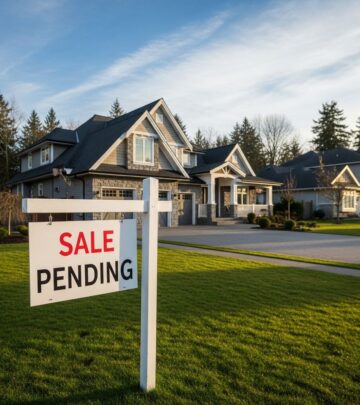
| Pending | All contingencies satisfied, closing imminent | No | Usually no |
| Under Contract | General term for signed agreement, varies by MLS | Sometimes | Depends |
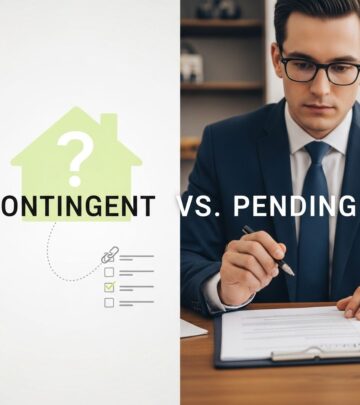
‘Pending’ indicates cleared hurdles, with the sale nearly finalized. ‘Contingent’ overlaps closely with ‘active under contract,’ both implying conditions, but the former may not explicitly invite backups. Regional MLS rules influence these nuances; for example, some areas adopted ‘active under contract’ around 2016 to standardize practices.
Implications for Prospective Buyers
Spotting ‘active under contract’ can be a golden opportunity or a cautionary flag. Buyers should view it as a chance to submit a backup offer, positioning themselves next in line. Contact the listing agent immediately to express interest and request details on current contingencies.
- Assess Risks: Primary deals fail 10-20% of the time due to financing or inspection issues, per industry observations.
- Craft Competitive Bids: Offer flexibility, like waiving minor contingencies or providing proof of funds, to stand out.
- Schedule Viewings: Many sellers permit showings to cultivate backups.
Success stories abound: buyers who pounce on these listings often close faster than starting from scratch in hot markets. However, patience is key, as activation of a backup requires the primary contract’s termination via mutual release or buyer default.
Strategic Considerations for Sellers
For sellers, opting for ‘active under contract’ over ‘pending’ maximizes security. It signals seriousness to the primary buyer while inviting competition, potentially yielding better terms if renegotiation arises.
- Encourage Backups: Publicly accepting them motivates the lead buyer to perform.
- Maintain Showings: Keeps the property fresh and generates leads.
- Monitor Progress: Track contingency deadlines to pivot swiftly if needed.
Sellers must act in good faith, avoiding favoritism, but this status provides leverage. In seller’s markets, it sustains buzz; in buyer’s markets, it mitigates prolonged vacancy risks.
Common Contingencies Driving This Status
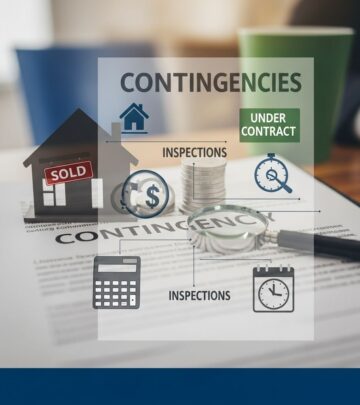
Contingencies are the backbone of ‘active under contract’ listings. They protect parties while keeping deals fluid.
| Contingency Type | Purpose | Typical Timeline | Failure Rate Insight |
|---|---|---|---|
| Inspection | Uncovers defects | 7-14 days | Common deal-killer |
| Financing | Secures loan approval | 21-45 days | High in rising rates |
| Appraisal | Verifies value | 10-20 days | Lender requirement |
| Sale of Buyer’s Home | Funds from prior sale | 30-60 days | Chain reaction risk |
These clauses allow buyers to exit penalty-free if unmet, reverting the listing to active or activating backups.
Navigating Backup Offers Effectively
Backup offers formalize interest without disrupting the primary deal. Submit them in writing, often on standard forms, specifying position (first backup, etc.). Sellers review them upon primary failure, negotiating fresh terms if desired.
Buyers benefit by staying engaged; sellers gain continuity. Agents manage communication to prevent conflicts, ensuring ethical handling.
Regional and Platform Variations
MLS systems differ: some use ‘contingent’ interchangeably, others distinguish strictly. Platforms like Zillow display it prominently to alert users. Rental markets adapt it similarly, indicating approved tenants pending finalization. Always verify local norms via your agent.
Frequently Asked Questions
Can I still tour a home listed as active under contract?
Yes, most sellers allow it to foster backups, but confirm with the agent.
Does active under contract mean the home is sold?
No, it means an offer is accepted but not finalized; sold occurs post-closing.
How long does this status last?
Varies by contract, typically 30-60 days until contingencies resolve or fail.
What’s the difference between under contract and active under contract?
Under contract is broader; active specifies openness to backups.
Should sellers switch to pending immediately?
Not always; active under contract offers protection against fallout.
Pro Tips for Real Estate Success
- Get pre-approved for mortgages to strengthen offers.
- Work with experienced agents familiar with local MLS.
- Review contracts thoroughly for contingency details.
- Stay responsive during contingency periods.
Mastering ‘active under contract’ empowers informed decisions, turning potential setbacks into advantages in home buying or selling.
References
- What does active under contract mean? | Rocket Mortgage — Rocket Mortgage. 2023. https://www.rocketmortgage.com/learn/active-under-contract
- What Does Active Under Contract Mean? | PNC Insights — PNC Bank. 2024. https://www.pnc.com/insights/personal-finance/borrow/what-does-active-under-contract-mean.html
- Under Contract vs Contingent vs Pending: What is the difference? — Garrett’s Realty. 2023. https://garrettsrealty.com/blog/what-does-under-contract-mean.html
- What Does Active Under Contract Mean For a Rental Property? — Realized1031. 2023. https://www.realized1031.com/blog/what-does-active-under-contract-mean-for-a-rental-property
- What Does Active Under Contract Mean? – Zillow — Zillow. 2024. https://www.zillow.com/learn/what-does-active-under-contract-mean/
- Active Under Contract: What It Means for Buyers and Sellers — Howard Hanna. 2023. https://blog.howardhanna.com/posts/active-under-contract-what-it-means-for-buyers-and-sellers-in-todays-real-estate-market/
- What does under contract mean? – Opendoor — Opendoor. 2024. https://www.opendoor.com/articles/under-contract-meaning
Similar Articles








Read full bio of Sneha Tete