Acorns vs Stash: Which Investment Platform Wins?
Compare Acorns and Stash to find the best micro-investing platform for your financial goals.
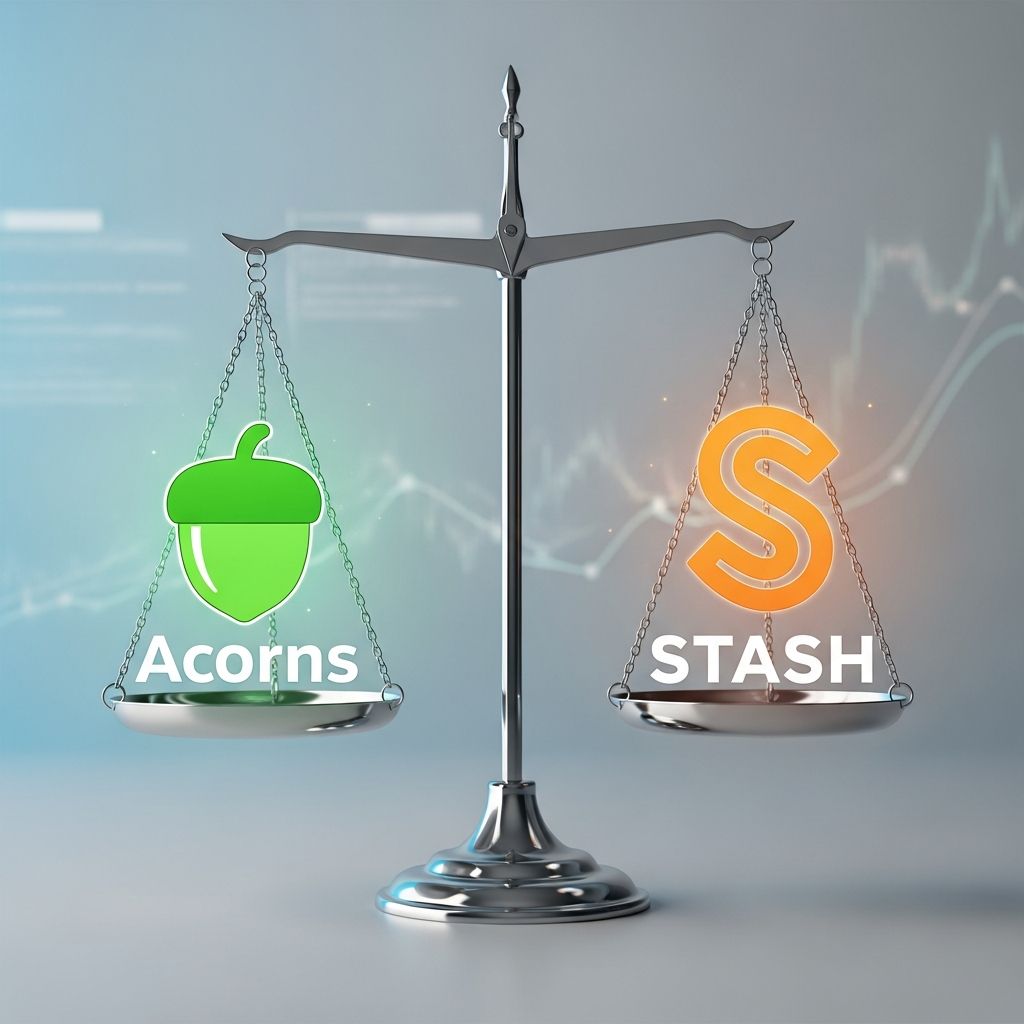
In today’s digital age, investing has become more accessible than ever, thanks to innovative platforms like Acorns and Stash. Both applications revolutionized the way everyday people approach investing by lowering barriers to entry and making it easier to build wealth through automated investing. However, choosing between these two popular platforms can be challenging, as each offers distinct advantages and features tailored to different investor types. This comprehensive comparison will help you determine which platform aligns best with your financial goals and investing style.
Overview of Acorns and Stash
Acorns and Stash are both fintech companies that democratized investing by removing traditional barriers such as high minimum investments and complex account setups. Both platforms operate as micro-investing apps designed for beginners and those who prefer a hands-off approach to wealth building. They combine investment accounts with banking features, creating comprehensive financial platforms rather than standalone investment tools. While they share similar missions, their execution and feature sets differ significantly in ways that matter to investors.
Fee Structure Comparison
Understanding the fee structure is crucial when comparing investment platforms, as fees directly impact your long-term returns. Both Acorns and Stash employ monthly subscription models rather than traditional commission-based pricing.
Acorns Pricing
Acorns offers a streamlined two-tier pricing structure. The basic Personal plan costs $4.99 per month and includes all core features such as automated investing, round-ups, fractional shares, and access to retirement accounts. The Family plan is priced at $14.99 per month and allows multiple family members to invest together. This flat-fee model means your monthly cost remains consistent regardless of your account balance, which can be advantageous for those building their investment accounts gradually.
Stash Pricing
Stash operates a three-tiered pricing structure offering more flexibility. The Beginner plan costs just $1 per month and provides access to a basic taxable investment account. The Growth plan at $3 per month adds retirement account options including Traditional and Roth IRAs. The premium Stash+ plan is priced at $9 per month and includes custodial accounts for minors and enhanced features like a metal debit card and monthly market insights reports. For accounts exceeding $5,000, Stash charges a 0.25% annual fee. Overall, Acorns tends to be slightly cheaper for most investors, particularly those with smaller account balances, though Stash’s entry-level option provides an even lower starting point.
Investment Options and Portfolio Diversity
One of the most significant differences between these platforms lies in the breadth of investment choices available to users.
Acorns Investment Selection
Acorns takes a curated approach to investing, offering five core portfolio options that range from conservative to aggressive based on your risk tolerance. Additionally, Acorns provides four ESG-focused sustainable portfolios that incorporate Environmental, Social, and Governance funds. These preselected portfolios consist of six carefully chosen ETFs designed by investment professionals. While this limited selection may seem restrictive, it actually serves beginners well by simplifying decision-making and reducing analysis paralysis. All portfolios feature automatic rebalancing to maintain your target asset allocation.
Stash Investment Selection
Stash provides substantially more investment options, featuring over 30 different ETFs compared to Acorns’ six. Beyond ETFs, Stash allows you to invest in more than 70 individual stocks, giving you the flexibility to build a truly customized portfolio. This greater selection appeals to investors who want direct control over their holdings and the ability to make specific investment choices aligned with their values or market outlook. Stash also provides investment coaching to help assess your risk tolerance and investment interests, assisting users in making informed decisions about their portfolios.
Account Types and Features
Both platforms have evolved beyond simple investment accounts to become comprehensive financial platforms offering multiple account types and features.
Acorns Account Offerings
All Acorns users receive access to basic planning tools, automatic portfolio rebalancing, and round-ups on purchases that invest spare change. The platform includes a checking account with FDIC insurance up to $250,000, featuring 55,000+ fee-free ATMs and direct deposit capabilities. Acorns also offers the Found Money program, which partners with select retailers to provide cash-back rewards that automatically invest into your account. Additionally, Acorns supports both Traditional and Roth IRAs, and includes a SEP IRA option, making it suitable for self-employed individuals and small business owners.
Stash Account Offerings
Stash users gain access to a cash management account with no overdraft fees, 55,000+ fee-free ATMs, instant deposits at retailers, and mobile check deposit capabilities. The platform features automatic round-ups on spending and includes the Stock-Back card, which provides rewards in the form of fractional shares of stocks. The entry-level Stash Growth plan includes retirement accounts, while the Stash+ tier adds custodial accounts for investing on behalf of children. Both platforms support automatic rebalancing of managed portfolios and offer fractional shares, allowing every dollar to work effectively.
User Experience and Educational Content
For new investors, the user experience and educational resources matter significantly in building confidence and understanding investment principles.
Acorns emphasizes simplicity with a streamlined interface designed for investors who prefer automation. The platform handles most investment decisions automatically, making it ideal for those who want to set-and-forget their investments. Acorns provides robust educational content covering investment basics, financial planning, and wealth-building strategies.
Stash offers a more interactive experience with stronger investing and business educational content. The platform encourages user involvement through its customizable portfolio options and investment coaching services. This approach appeals to investors who enjoy learning about markets and making informed decisions about their holdings. Stash’s educational resources help demystify investing and build financial literacy.
Key Features Comparison Table
| Feature | Acorns | Stash |
|---|---|---|
| Starting Monthly Fee | $4.99 | $1.00 |
| Number of ETF Options | 6 | 30+ |
| Individual Stock Investing | No | Yes (70+) |
| Automatic Rebalancing | Yes | No |
| Round-Up Feature | Yes | Yes |
| Fractional Shares | Yes | Yes |
| Checking Account | Yes | Yes |
| Retirement Accounts (IRA) | Yes | Yes |
| SEP IRA | Yes | No |
| Custodial Accounts | No | Yes |
| Cash-Back Rewards Program | Found Money | Stock-Back Card |
Who Should Choose Acorns?
Acorns is an excellent choice for several types of investors. Beginners who find traditional investing overwhelming will appreciate Acorns’ simplified approach and automated features. People who struggle with consistent saving will benefit from the round-up feature, which painlessly converts everyday spending into investments. Those seeking a completely hands-off investing experience will value Acorns’ automatic portfolio management and rebalancing. Self-employed individuals and small business owners needing a SEP IRA will find Acorns particularly valuable. Additionally, investors prioritizing lower ongoing costs will appreciate Acorns’ flat fee structure, especially with smaller account balances.
Who Should Choose Stash?
Stash appeals to a different investor profile. Those who want control over their investment choices will appreciate Stash’s extensive ETF and individual stock options. Investors interested in learning about markets and making informed decisions benefit from Stash’s educational content and investment coaching. Budget-conscious investors just starting out will love Stash’s $1 monthly entry-level plan. Parents wanting to teach children about investing through custodial accounts will find Stash’s offering valuable. Additionally, investors attracted to specific stock investments or ESG-aligned companies will appreciate Stash’s flexibility to customize portfolios around their values and interests.
Pros and Cons Summary
Acorns Advantages
Acorns excels in automated investing through its round-up feature, automatic rebalancing, and simplified portfolio options. The platform offers lower ongoing costs for most account sizes, includes cash-back rewards through Found Money partnerships, and provides SEP IRA access for self-employed individuals. The user interface is particularly beginner-friendly, and there are no minimum investment requirements to get started.
Acorns Disadvantages
The limited investment options may frustrate those seeking portfolio customization. Acorns doesn’t offer joint savings accounts or 529 college savings plans, lacks human advisor support, and does not support individual stock selection. The platform also doesn’t include direct indexing or tax-loss harvesting capabilities that more advanced investors might desire.
Stash Advantages
Stash provides exceptional flexibility with over 30 ETFs and 70+ individual stocks available for investment. The platform offers multiple account types including custodial accounts at reasonable prices, features the Stock-Back rewards card program, provides strong educational content, and includes investment coaching. The entry-level $1 monthly plan provides an extremely affordable starting point for new investors.
Stash Disadvantages
Stash lacks automatic rebalancing, which means investors must manually maintain their target asset allocations. The platform’s higher tier pricing can become expensive with premium features, and the average account balance remains relatively small, suggesting some user retention challenges. Additionally, Stash doesn’t offer SEP IRA options for self-employed individuals.
Performance and Returns
Both platforms invest in similar low-cost ETFs and use passive, buy-and-hold strategies focused on long-term wealth accumulation. Returns primarily depend on market performance and individual portfolio allocations rather than platform choice. However, fees significantly impact long-term returns. Acorns’ slightly lower average fees and automatic rebalancing feature may provide marginal advantages over extended time horizons. The choice between platforms shouldn’t primarily be based on return expectations but rather on which platform’s fees, features, and user experience best suit your investing style.
The Verdict
Determining which platform is “better” depends entirely on your individual circumstances, investing preferences, and financial goals. Acorns wins for those prioritizing automation, simplicity, and lower average costs, particularly beneficial for beginners and those with smaller account balances. The platform’s round-up feature and automatic rebalancing create a truly set-and-forget investing experience ideal for busy professionals or cautious new investors.
Stash emerges victorious for investors wanting more control, customization options, and flexibility to build personalized portfolios. The platform’s extensive investment selection, educational resources, investment coaching, and lower entry-level pricing make it attractive to those willing to engage more actively with their investments and learn about markets.
Frequently Asked Questions
Q: What is the minimum investment required for both platforms?
A: Both Acorns and Stash have no minimum investment requirements, making them accessible to investors of any financial situation. You can begin investing with as little as spare change through the round-up feature.
Q: Can I transfer my portfolio between Acorns and Stash?
A: Yes, you can transfer your investments between platforms through authorized transfer procedures, though Acorns charges a $50 per-security transfer-out fee that should factor into your decision.
Q: Which platform is better for retirement savings?
A: Both offer Traditional and Roth IRA options. However, Acorns additionally supports SEP IRAs for self-employed individuals. Stash offers custodial accounts for children at lower price points.
Q: Do both platforms support fractional shares?
A: Yes, both Acorns and Stash support fractional shares, allowing you to invest smaller amounts in expensive stocks and diversify your portfolio effectively.
Q: Which platform is best for complete beginners?
A: Acorns is generally better for complete beginners due to its simplified interface, automatic features, and hands-off approach. However, Stash’s $1 entry-level plan and educational content also make it accessible to newcomers.
Q: Can I invest in individual stocks with Acorns?
A: No, Acorns focuses exclusively on ETF-based portfolios. If individual stock selection is important to you, Stash is the better choice.
Q: Which platform offers better rewards programs?
A: Acorns features the Found Money program with select retailers, while Stash offers the Stock-Back Card that provides fractional shares as rewards. Both programs add value, with choice depending on your spending habits and preferences.
References
- Acorns vs Stash: Which Investment Platform Is Better? — Wall Street Survivor. 2025. https://www.wallstreetsurvivor.com/acorns-vs-stash/
- Acorns Vs. Stash: Which One Is Right For You? — Bankrate. 2025. https://www.bankrate.com/investing/acorns-vs-stash/
- Stash vs. Acorns Robo-Advisor Comparison (2025 Review) — Optimized Portfolio. 2025. https://www.optimizedportfolio.com/stash-vs-acorns/
- Acorns vs. Stash: Which is Best For You? — Benzinga. 2025. https://www.benzinga.com/money/acorns-vs-stash
- Stash vs. Acorns (2025): Comprehensive Comparison — Tokenist. 2025. https://tokenist.com/investing/stash-vs-acorns/
- Stash vs. Acorns vs. Robinhood Comparison — SmartAsset. 2025. https://smartasset.com/investing/stash-vs-acorns-vs-robinhood
Similar Articles








Read full bio of Sneha Tete