Account in Collections? Here’s How to Fix It
Discover proven strategies to resolve collections accounts, protect your credit score, and regain financial control effectively.
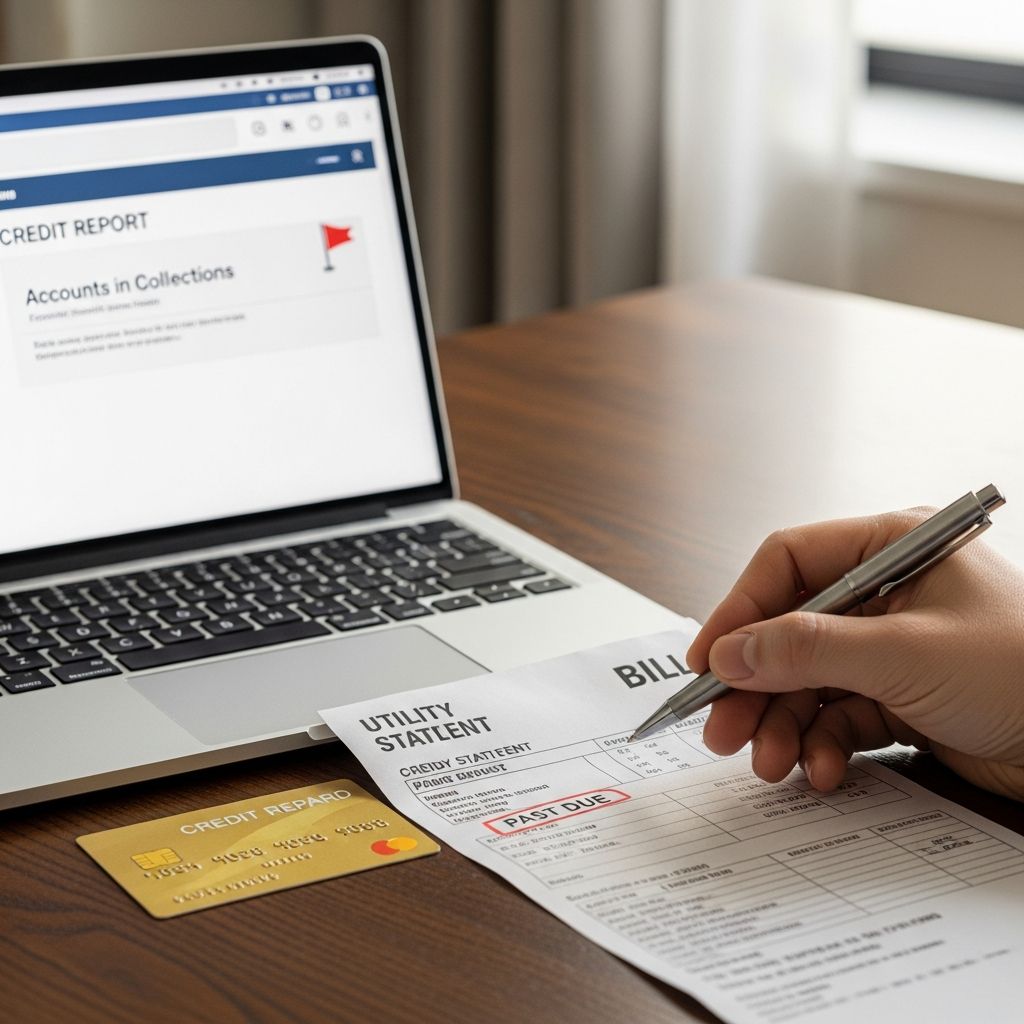
When an account lands in collections, it signals serious financial distress that can haunt your credit score for years. Collections occur when a creditor sells or assigns your unpaid debt to a third-party agency for recovery, typically after 180 days of delinquency. This negative mark impacts 35% of your FICO score through payment history, making loans, rentals, and jobs harder to secure. But resolution is possible through verification, negotiation, and strategic actions.
Understand What Collections Mean for Your Credit
A collections account remains on your credit report for up to
seven years
from the original delinquency date, not the collection date. Even after payment, it updates to “paid collection” but stays visible, continuing to harm your score. Newer models like FICO 9 and VantageScore 4.0 disregard paid collections, offering some relief, but older models used by many lenders still penalize them.Collections signal risk to lenders, dropping scores by 100+ points. They also invite calls, letters, and potential lawsuits within statutes of limitations (3-10 years by state). Ignoring them risks wage garnishment or bank levies if sued.
Step 1: Verify the Debt Collector is Legitimate
Before paying anything, confirm the agency’s legitimacy to avoid scams. Start with the
Better Business Bureau (BBB)
: search the company’s name on bbb.org. Check for complaints, ratings, and licensing.- Review state attorney general records for registered collectors.
- Search the agency’s phone number on Google for scam reports.
- Verify they sent required notices under the Fair Debt Collection Practices Act (FDCPA).
Legitimate agencies provide your right to dispute within 30 days. Scammers pressure immediate payment without validation.
Step 2: Request Debt Validation
Under FDCPA, send a
debt validation letter
within 30 days of first contact. This halts collection until they prove: the amount owed, creditor name, and their authority to collect.Sample Validation Letter Structure:
- Your name and account number.
- Demand for original creditor details, payment history, and chain of ownership.
- State that collection stops until validated.
- Send via certified mail.
If they fail to validate within 30 days, the debt must be removed from your credit reports under the Fair Credit Reporting Act (FCRA). Many old debts lack documentation, leading to deletions.
Step 3: Check the Statute of Limitations
Statutes of limitations (SOL) bar lawsuits after 3-10 years from last payment/activity, varying by state and debt type (e.g., 6 years for credit cards in California). Google “[your state] debt statute of limitations”.
| Debt Type | Example States SOL |
|---|---|
| Credit Cards | CA: 4 yrs, TX: 4 yrs, NY: 6 yrs |
| Medical | CA: 1 yr, FL: 5 yrs |
| Auto Loans | TX: 4 yrs, IL: 4 yrs |
If expired (time-barred), collectors can’t sue but can contact you. Send a cease-and-desist letter to stop harassment. Never restart the SOL by partial payments.
Step 4: Negotiate a Settlement or Pay for Delete
Don’t pay without a written agreement. Aim for
50-70% settlements
; agencies buy debts for pennies on the dollar.Negotiation Tips:
- Offer a lump sum 30-50% off.
- Request “pay for delete” in writing: payment in exchange for total removal.
- Pay by check marked “paid in full” or “settlement in full” for proof.
- Avoid online payments or autopay to control terms.
Success varies; major creditors resist pay-for-delete, but smaller agencies often agree. Get everything in writing before paying. Paid collections update but don’t vanish unless deleted.
Step 5: Dispute Errors on Your Credit Report
Get free reports from AnnualCreditReport.com (Equifax, Experian, TransUnion). Review:
- Identification: Name, SSN, address mismatches indicate mix-ups.
- Tradelines: Wrong amounts, dates, or accounts.
- Collections: Verify original delinquency date.
Dispute online, by mail, or phone with evidence. Bureaus must investigate within 30 days; unverifiable items delete. Software like Credit Versio automates this.
Step 6: Consider Professional Credit Repair
DIY works for many, saving $300-900 vs. services ($80-150/month for 6 months). Pros challenge items monthly, but results mirror self-disputes. Try Sky Blue or Lexington Law for guarantees. Avoid scams promising miracles.
Step 7: Rebuild Your Credit After Resolution
Post-resolution:
- Become authorized user on a good account.
- Use secured cards (e.g., Discover It Secured).
- Pay all bills early; keep utilization under 30%.
- Add positive tradelines via credit builder loans.
Scores recover in months with consistent habits. FICO weights recent behavior heavily.
Goodwill Letters for Late Payments
For original creditor lates (not collections), send polite goodwill requests explaining circumstances (job loss, illness). Success higher with long-term good customers.
Frequently Asked Questions (FAQs)
Should I pay collections or wait 7 years?
Pay if affordable and negotiating deletion; it shows responsibility. Waiting keeps cash but risks lawsuits. Paid shows as “paid collection” unless deleted.
Does paying collections boost my score?
Not always; FICO 9 ignores paid ones, but deletion improves payment history (35% of score).
What if sued over collections?
Respond within 20-30 days. Dispute accuracy, check SOL. Seek legal aid; default judgments lead to garnishment.
Can I remove valid collections?
Only via pay-for-delete or aging off in 7 years. Disputes fail for accurate info.
How to stop collector calls?
Send cease-and-desist after validation. Block numbers; report FDCPA violations to CFPB.
Common Credit Repair Mistakes to Avoid
Partial payments hurt as much as full charge-offs. Skipping disputes or paying without agreements prolongs damage.
Resolving collections demands action: verify, validate, negotiate smartly, dispute errors, and rebuild. This roadmap turns a credit nightmare into recovery.
References
- Here’s What Happens to an Account in Collections – Even When You Pay Up — Wise Bread. 2023. https://www.wisebread.com/heres-what-happens-to-an-account-in-collections-even-when-you-pay-up
- If I Had Collections, I’d Do This… (Updated 2025) — YouTube (GODIVA MINDSET). 2025-01-01. https://www.youtube.com/watch?v=zAxMu5cqR68
- 5 Ways to Legally Remove Items from Your Credit Report — BadCredit.org. 2024-06-15. https://www.badcredit.org/how-to/legally-remove-items-from-credit-report/
- Account in Collections? Here’s How to Fix It — Wise Bread. 2023. https://www.wisebread.com/account-in-collections-heres-how-to-fix-it
- 8 Credit Repair Mistakes That Will Cost You — Wise Bread. 2023. https://www.wisebread.com/8-credit-repair-mistakes-that-will-cost-you
Similar Articles








Read full bio of medha deb