Accessing Funds in Your Savings Account
Discover practical methods to withdraw savings without fees, understand limits, and strategies to preserve your financial safety net.
Savings accounts serve as essential tools for building financial security, but accessing those funds requires understanding various methods and potential restrictions. Whether facing an unexpected expense or planning a major purchase, knowing how to withdraw money efficiently helps maintain control over your finances without unnecessary hurdles.
Primary Methods for Withdrawing Savings
Financial institutions offer multiple avenues to retrieve cash or transfer funds from savings accounts, each suited to different needs and levels of convenience. These options range from self-service machines to personal teller assistance, ensuring flexibility for all customers.
Using Automated Teller Machines (ATMs)
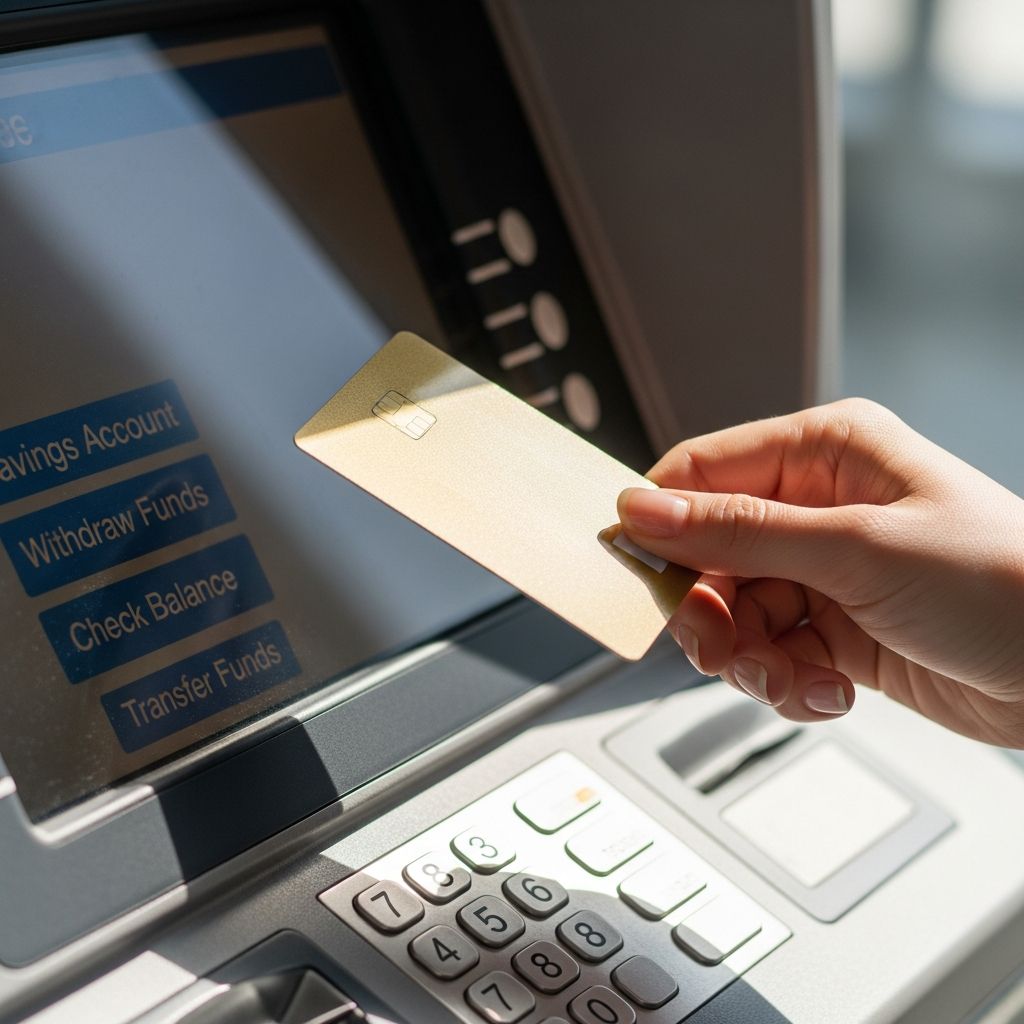
ATMs provide one of the quickest ways to obtain physical cash directly from a savings account. Insert your debit card linked to the account, enter your personal identification number (PIN), and select the savings option from the menu. Specify the desired amount, confirm the transaction, and retrieve your cash along with a receipt for records.
Many banks participate in extensive ATM networks, allowing access at locations beyond branches, such as convenience stores or supermarkets. For online-only banks, this method proves invaluable. However, be mindful of daily limits, typically ranging from $500 to $1,000, and potential out-of-network fees that could add $2 to $5 per use. Cardless options via mobile apps are increasingly available, enhancing security by eliminating the need for a physical card.
Online and Mobile Transfers to Checking Accounts
For non-cash needs like bill payments or check writing, transferring funds from savings to a linked checking account stands out as a seamless digital process. Log into your bank’s online portal or app, navigate to the transfer section, choose the savings as the source and checking as the destination, enter the amount, and authorize the move. Transactions often process instantly or within one business day.
This method avoids physical handling and suits frequent small adjustments. Some institutions permit scheduling recurring transfers or setting alerts for low balances, promoting disciplined saving habits.
In-Person Transactions at Bank Branches
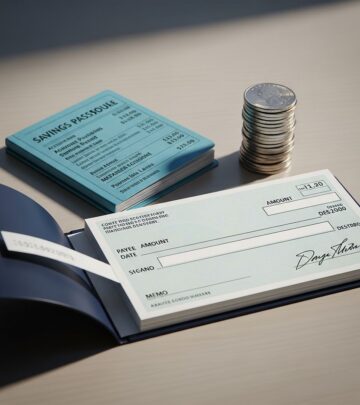
Visiting a branch offers personalized service for larger withdrawals or complex requests. Present identification and your debit card to a teller, who can process cash disbursements directly from savings. Alternatives include completing a withdrawal slip with your account details, date, amount, and signature, or writing a check payable to ‘Cash’ if your account supports check-writing.
Tellers verify identity to prevent fraud, making this ideal for sums exceeding ATM limits. Branches handle same-day processing, though availability depends on hours and location.
Navigating Withdrawal Limits and Regulations
Federal guidelines once restricted ‘convenient’ savings transactions to six per month, but as of 2020, the Federal Reserve rescinded this rule, granting banks discretion. Many still enforce similar limits to discourage using savings for daily spending, charging fees—often $5 to $25—for excess activity.
| Limit Type | Typical Range | Consequences |
|---|---|---|
| Monthly Transactions | 6 per statement cycle | Fee or account conversion |
| ATM Daily Cash | $500-$1,000 | Declined transaction |
| Branch Maximum | $10,000 (varies) | Advance notice required |
Always review your account agreement for specifics, as credit unions and online banks may differ. Exceeding limits might lead to account closure or downgrade to checking status.
Strategies to Avoid Fees and Penalties
Maintaining access without costs demands proactive steps. Link savings to checking for fee-free transfers, opt for in-network ATMs, and monitor balances via apps to stay under limits. For emergencies, establish a separate ’emergency fund’ checking account to buffer against frequent savings dips.
- Enable transaction alerts for real-time notifications.
- Batch non-essential transfers to one monthly occurrence.
- Inquire about fee waivers for first-time offenses or high balances.
- Consider high-yield accounts with lenient policies.
Special Considerations for Digital and Online-Only Banks
Without physical branches, online banks emphasize electronic methods. Use ACH transfers to external accounts, mobile check deposits, or mailed checks for withdrawals. Direct deposit setups facilitate inflows, while partner ATM reimbursements offset fees. Verify linking processes require account and routing numbers for security.
Security Best Practices During Withdrawals
Protect funds by shielding PIN entry at ATMs, avoiding public Wi-Fi for transfers, and reporting lost cards immediately. Use biometric logins on apps and enable two-factor authentication. Retain receipts and reconcile statements monthly to detect irregularities promptly.
Building a Sustainable Withdrawal Habit
Savings thrive on restraint; treat withdrawals as exceptions. Define clear purposes—emergency repairs, medical needs—versus wants. Replace withdrawn amounts promptly to rebuild buffers. Tools like budgeting apps track patterns, fostering long-term wealth accumulation.
Integrate withdrawals into broader planning: allocate 3-6 months’ expenses in savings, diversify into CDs or investments for portions not needed immediately. Consult advisors for personalized thresholds.
Frequently Asked Questions
Can I withdraw unlimited amounts from savings?
No, daily and monthly caps apply based on bank policy and federal encouragement for saving discipline.
What if I exceed transaction limits?
Expect fees, account restrictions, or conversion; contact your bank for options like waivers.
Are there fees for ATM withdrawals from savings?
In-network typically free; out-of-network incurs surcharges plus possible bank fees.
How do online banks handle large withdrawals?
Via transfers, mailed checks, or wire services; plan ahead for processing times.
Does writing a check count toward limits?
Yes, if classified as convenient; inquire with your institution.
References
- How Do You Withdraw Money From a Savings Account? — Experian. 2023. https://www.experian.com/blogs/ask-experian/how-do-you-withdraw-money-from-savings-account/
- How to Withdraw Money From Your Bank Account | Easy Guide — Centier Bank. 2024. https://www.centier.com/resources/articles/article-details/how-to-withdraw-money-from-your-bank-account—easy-guide
- How To Withdraw Money From a Bank Account — SoFi. 2024. https://www.sofi.com/learn/content/withdraw-money-from-bank-account/
- How to Withdraw Money from Bank Account — PNC Bank. 2024. https://www.pnc.com/insights/personal-finance/spend/how-to-withdraw-money-from-bank-account.html
- Can You Take Money Out of a Savings Account? Rules and Tips — Business Insider. 2024. https://www.businessinsider.com/personal-finance/banking/can-you-take-money-out-of-a-savings-account
- How can I deposit or withdraw money? — American Express National Bank. 2025. https://www.americanexpress.com/en-us/banking/online-savings/faq/deposit-or-withdraw-money/
- Can You Withdraw Money From a Savings Account? — Citi Bank. 2025-12-09. https://www.citi.com/banking/personal-banking-guide/savings/can-you-withdraw-money-from-a-savings-account
Similar Articles








Read full bio of Sneha Tete